Can Recycling Keep Up With Growing Material Demand?
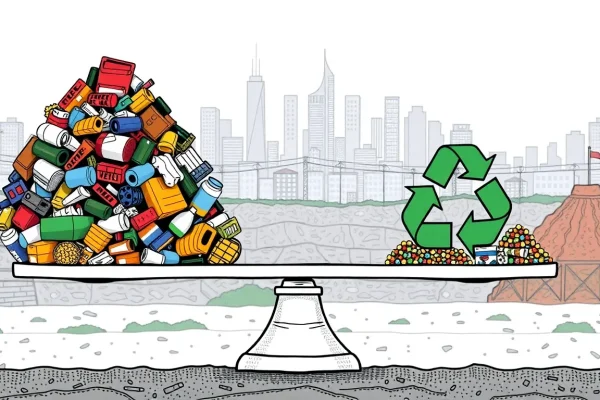
Recycling alone cannot fully meet the growing global demand for materials due to fundamental physical and economic limitations. While it reduces the need for…
Topic archive
Guides and insights on moving toward a sustainable, low‑carbon future.
Recycling alone cannot fully meet the growing global demand for materials due to fundamental physical and economic limitations. While it reduces the need for…
Reducing vehicle size is a proven, low-cost strategy to cut greenhouse gas emissions, air pollution, and resource consumption. Larger vehicles consume more energy and…
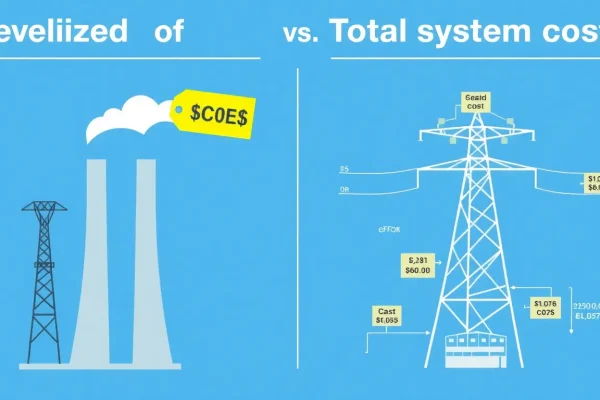
Levelized cost of energy (LCOE) measures the average lifetime cost per unit of electricity from a specific power plant, while total system cost captures…
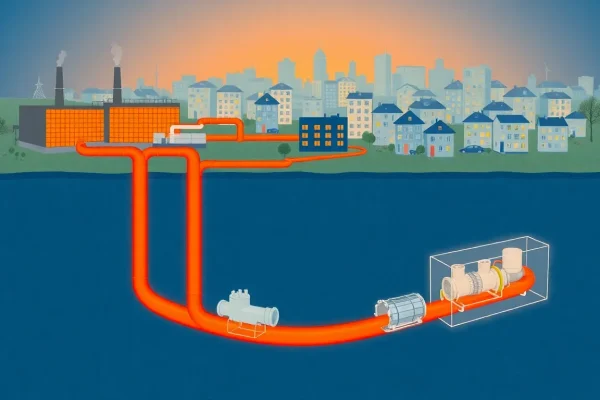
District heating and cooling (DHC) systems distribute thermal energy from centralized sources to multiple buildings, offering a potentially efficient and low-carbon solution for space…
Renewable energy curtailment is the deliberate reduction of output from wind, solar, or other renewable generators below their potential, typically to maintain grid stability…
Demand response is a strategy used by electric grid operators to balance supply and demand by encouraging consumers to reduce or shift their electricity…
Energy efficiency uses technology to perform the same tasks with less energy, while energy conservation involves behavioral changes to reduce energy use. Both are…
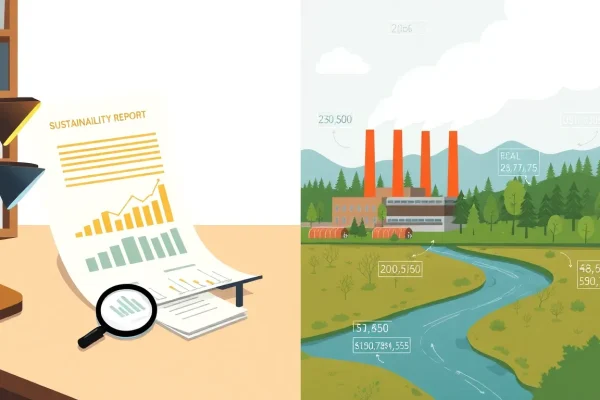
Sustainability reporting is the practice of disclosing environmental, social, and governance (ESG) data, while sustainability performance refers to the actual measurable outcomes of an…
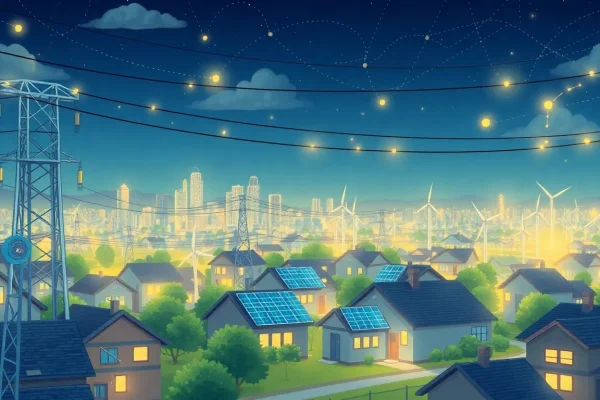
A smart grid is an electricity network enhanced with digital communication and automation to monitor, control, and optimize power flows. It enables two-way energy…
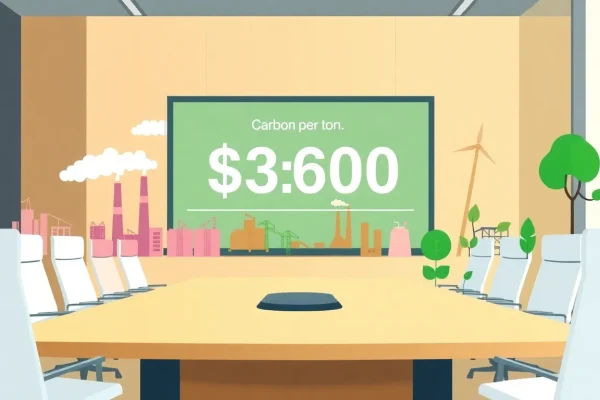
An internal carbon price is a monetary value that a company or organization voluntarily assigns to its greenhouse gas emissions to guide investment decisions,…