Can Blue Carbon Help Mitigate Climate Change?
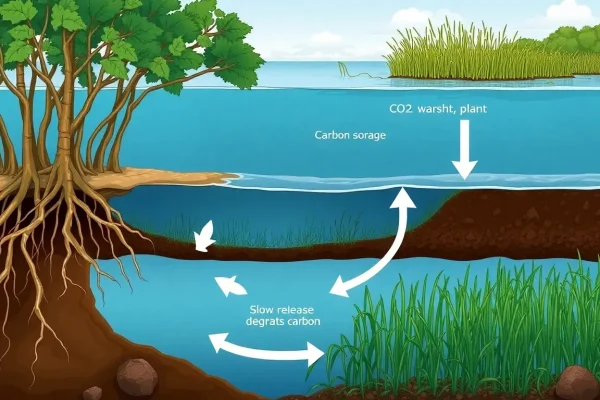
Blue carbon refers to carbon captured and stored in coastal and marine ecosystems, primarily mangroves, salt marshes, and seagrasses. These habitats sequester carbon at…
Topic archive
Guides and insights on moving toward a sustainable, low‑carbon future.
Blue carbon refers to carbon captured and stored in coastal and marine ecosystems, primarily mangroves, salt marshes, and seagrasses. These habitats sequester carbon at…
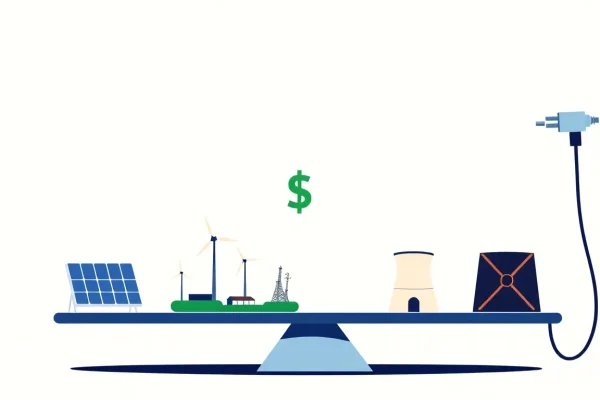
Levelized Cost of Energy (LCOE) is a metric used to compare the lifetime costs of different electricity generation technologies on a consistent basis. It…
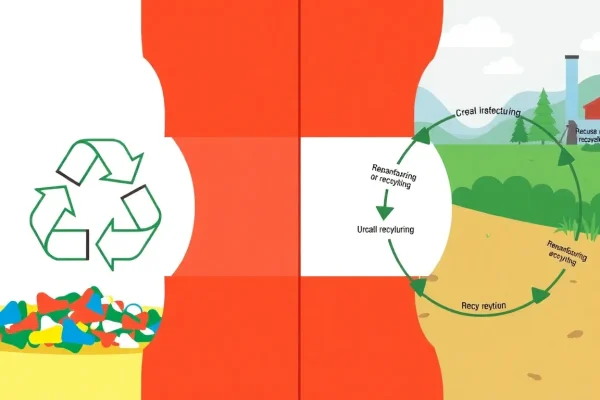
Recycling is a process of converting waste into new materials, while a circular economy is a systemic approach that aims to eliminate waste and…
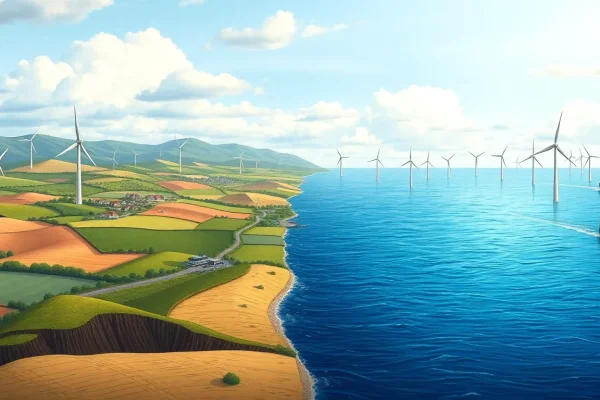
Onshore wind energy is generated by turbines located on land, while offshore wind energy comes from turbines placed in bodies of water. Both technologies…
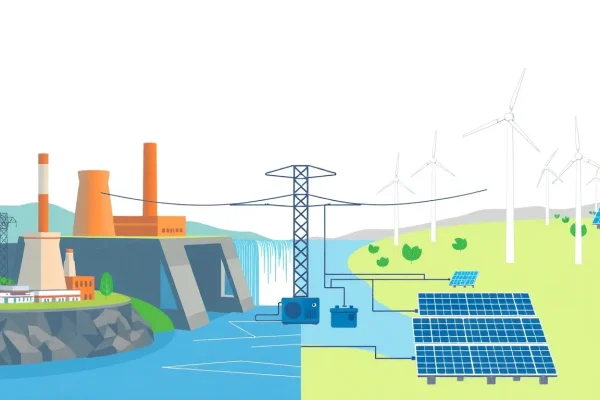
Firm power refers to electricity sources that can be dispatched on demand to guarantee supply, such as natural gas, nuclear, and reservoir hydropower. Variable…
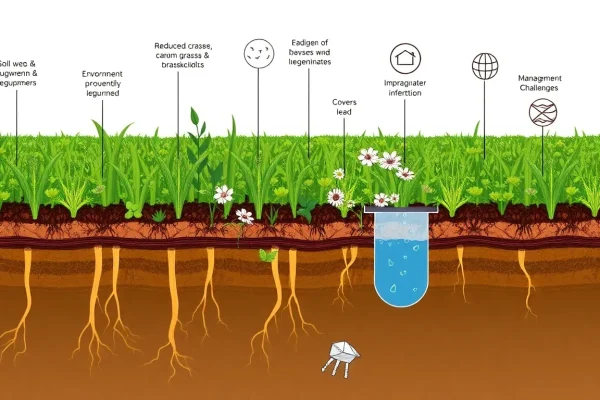
Cover crops are plants grown primarily to protect and improve soil between cash crop cycles. They offer environmental benefits such as erosion control, nutrient…
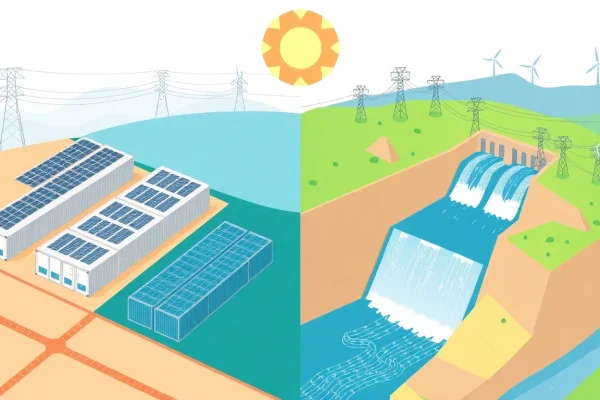
Battery storage and pumped hydropower are two primary methods for storing electrical energy. Battery systems use electrochemical cells to provide fast, modular storage, while…
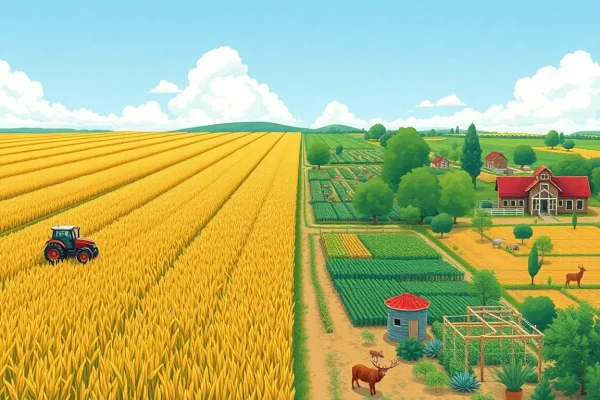
Monoculture is the agricultural practice of growing a single crop species on the same land repeatedly, while polyculture involves cultivating multiple crops together in…
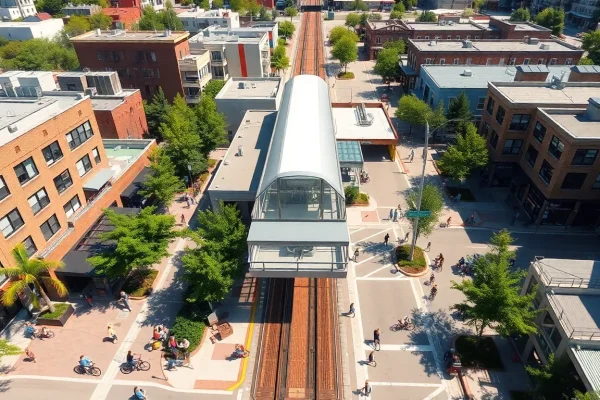
Transit-Oriented Development (TOD) is a planning approach that creates compact, mixed-use communities around transit stations to reduce car dependency and promote sustainable urban growth.…
The energy transition is financed by a blend of public and private sources: governments provide subsidies, tax incentives, and direct investment; corporations and investors…