Who Pays for the Energy Transition?
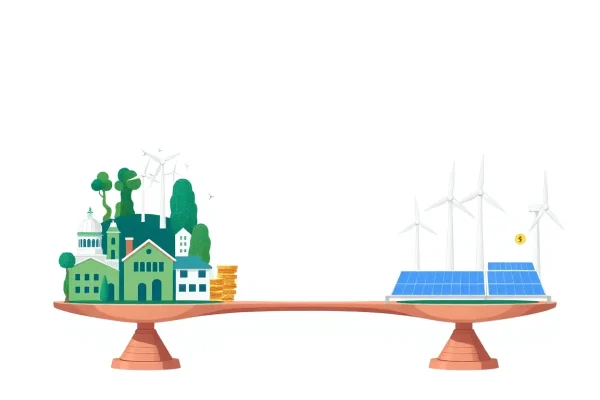
The energy transition is financed by a blend of public and private sources: governments provide subsidies, tax incentives, and direct investment; corporations and investors…
Topic archive
Explores renewable power generation, storage, and grid integration.
The energy transition is financed by a blend of public and private sources: governments provide subsidies, tax incentives, and direct investment; corporations and investors…
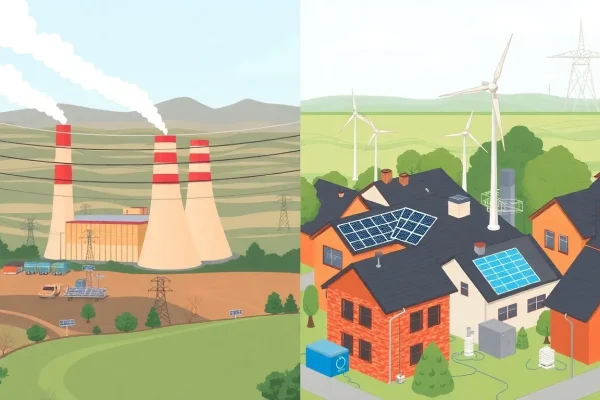
Distributed energy refers to power generation and storage systems located close to the point of use, such as rooftop solar panels or small wind…
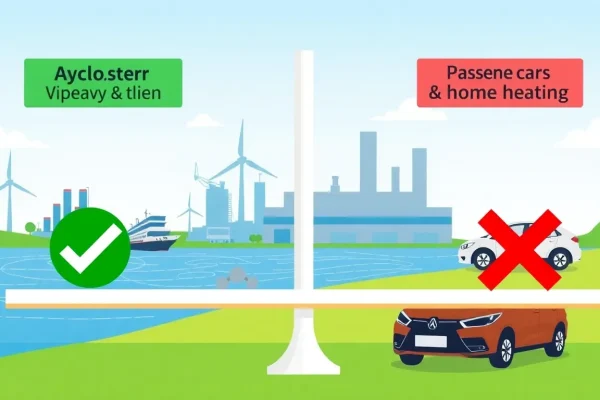
Hydrogen is not a one-size-fits-all energy solution. It makes the most sense in hard-to-electrify sectors like heavy industry, long-haul transport, and seasonal energy storage,…
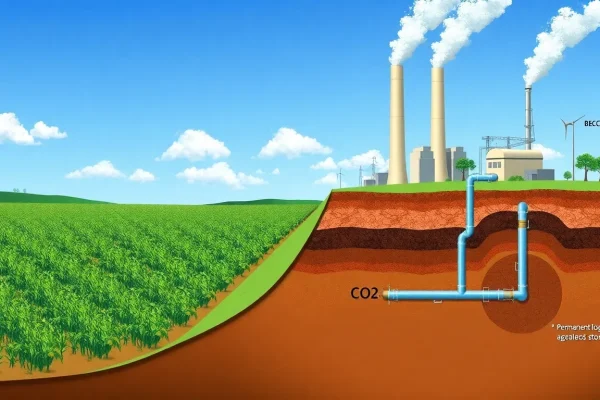
Bioenergy with carbon capture and storage (BECCS) is a carbon dioxide removal technology that combines energy generation from biomass with the capture and permanent…
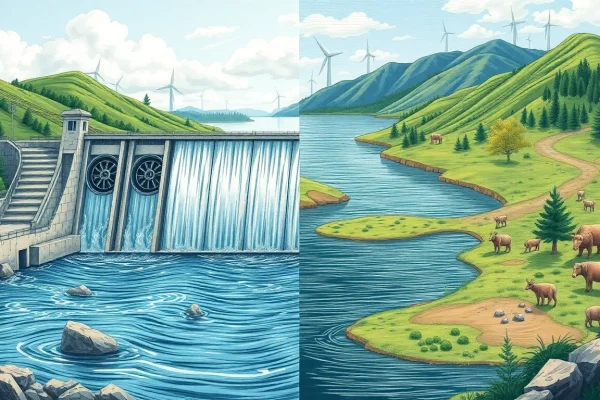
Hydropower is a renewable energy source that generates electricity by harnessing the kinetic energy of flowing or falling water. It is a low-carbon alternative…
Direct air capture (DAC) is a technology that removes CO2 directly from the atmosphere. It addresses the need for negative emissions to meet climate…
While technically feasible in theory, a fully renewable energy system without any fossil fuel backup has not yet been demonstrated at large scale. High-penetration…