In brief
At a glance
Quick Facts
- Typical UHI intensity
- Urban areas can be 1–7°C warmer than rural areas during the day and up to 12°C warmer at night.
- Impervious surface coverage
- In dense cities, impervious surfaces can cover 50–90% of the land area.
- Runoff increase
- Urbanization can increase stormwater runoff volume by 2–6 times compared to natural landscapes.
- Cooling effect of trees
- A single large tree can transpire up to 400 liters of water per day, providing cooling equivalent to several air conditioners.
- Green roof benefits
- Green roofs can reduce stormwater runoff by 50–90% and lower roof surface temperatures by 30–40°C.
Key Takeaways
- Urban heat islands (UHIs) are metropolitan areas significantly warmer than their rural surroundings due to human activities and modifications to the land surface.
- The urban water cycle is characterized by increased runoff, reduced infiltration, and altered evapotranspiration, often leading to water quality degradation and flooding.
- UHIs and the urban water cycle are interconnected: heat increases water demand and evaporation, while impervious surfaces and drainage systems exacerbate both heat and water issues.
- Green infrastructure, reflective materials, and integrated water management can mitigate UHI effects and restore more natural hydrological functions in cities.
What Is The Urban Heat Island and Urban Water Cycle?
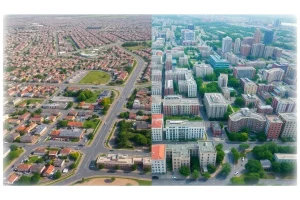
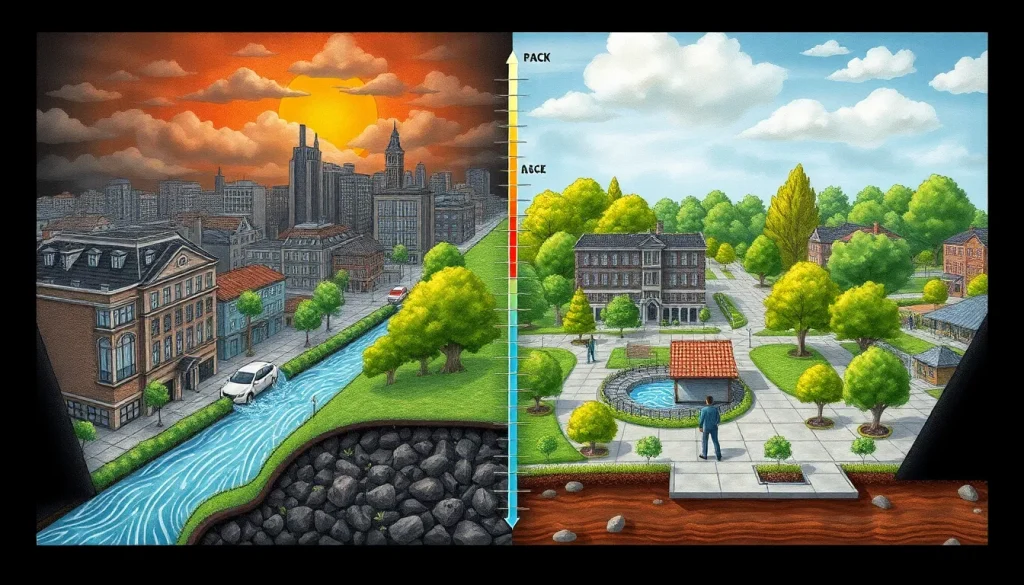
The urban heat island (UHI) effect refers to the phenomenon where urban areas experience higher temperatures than their rural surroundings, particularly at night. This temperature difference arises because cities replace natural land cover with dense concentrations of pavement, buildings, and other surfaces that absorb and retain heat. The urban water cycle, meanwhile, describes the movement and transformation of water within urban environments, which is drastically altered from natural hydrological processes. In undeveloped areas, rainfall infiltrates the soil, replenishes groundwater, and is taken up by vegetation, which releases water back into the atmosphere through evapotranspiration. In cities, however, impervious surfaces such as roads, rooftops, and parking lots prevent infiltration, leading to increased surface runoff, reduced groundwater recharge, and often overwhelming stormwater drainage systems. These two phenomena are deeply intertwined: the same surfaces that cause urban heating also disrupt the water cycle, and the resulting thermal and hydrological changes can amplify each other, creating feedback loops that worsen both heat stress and water management challenges.
Understanding the urban heat island and urban water cycle together is essential because they jointly influence urban climate, energy consumption, water resources, and public health. The built environment not only raises local temperatures but also alters precipitation patterns, humidity, and the timing and quality of water flows. As cities continue to grow, these effects become more pronounced, making it critical to adopt integrated approaches that address both heat and water issues simultaneously.
How It Works
The urban heat island effect operates through several physical mechanisms. During the day, dark surfaces like asphalt roads and dark roofs absorb a large fraction of incoming solar radiation (low albedo), converting it to heat. Materials such as concrete and brick have high thermal capacity, storing heat and releasing it slowly, especially at night, which keeps urban areas warmer after sunset. The lack of vegetation reduces cooling from evapotranspiration, a process where plants release water vapor that absorbs heat as it evaporates. Additionally, urban geometry—tall buildings and narrow streets—can trap heat by reducing airflow and creating “urban canyons” that limit radiative cooling. Anthropogenic heat from vehicles, air conditioning, and industrial processes further contributes to warming.

The urban water cycle is similarly transformed. In natural landscapes, precipitation is intercepted by vegetation, infiltrates into the soil, or flows slowly into streams and rivers. In cities, impervious surfaces (roads, roofs, sidewalks) prevent infiltration, so most rainfall becomes surface runoff. This runoff is quickly channeled into storm drains and sewers, leading to higher peak flows in urban streams and increased flood risk. Reduced infiltration lowers groundwater recharge, which can deplete local aquifers. Meanwhile, the heat island effect increases evaporation from any available water surfaces and accelerates the drying of soils, but overall, the urban water cycle is dominated by rapid runoff rather than evapotranspiration. Cities also import large volumes of water for drinking, sanitation, and industrial use, which after use becomes wastewater that must be treated and discharged, often into nearby water bodies, altering their temperature and chemistry.
Main Causes or Drivers
The primary drivers of the urban heat island effect include:
- Low Albedo Materials: Asphalt, concrete, and dark roofing materials absorb more solar radiation than natural surfaces, increasing surface temperatures.
- Reduced Vegetation: Loss of trees and green spaces eliminates shading and evapotranspiration, which naturally cool the air.
- Urban Geometry: Tall buildings and narrow streets create “urban canyons” that trap heat and reduce wind flow, limiting convective cooling.
- Anthropogenic Heat: Heat released from vehicles, air conditioning, industrial processes, and other human activities directly warms the urban atmosphere.
- Air Pollution: Greenhouse gases and particulate matter in urban air can absorb and re-emit infrared radiation, contributing to warming.
For the urban water cycle, the main drivers are:
- Impervious Surfaces: Paved areas prevent water from infiltrating into the ground, increasing surface runoff and reducing groundwater recharge.
- Stormwater Drainage Systems: Gutters, sewers, and concrete channels rapidly convey runoff to streams and rivers, bypassing natural filtration and increasing flood peaks.
- Water Import and Export: Cities import water from distant sources and discharge treated or untreated wastewater, altering regional water balances.
- Land Use Change: Removal of wetlands, floodplains, and riparian zones reduces natural water storage and purification capacity.
Environmental and Human Impacts
The combined effects of urban heat islands and altered water cycles have wide-ranging consequences. Higher urban temperatures increase energy demand for cooling, which can strain power grids and raise greenhouse gas emissions if fossil fuels are used. Heat stress poses serious health risks, particularly for vulnerable populations such as the elderly, children, and those with pre-existing conditions. Elevated temperatures also accelerate the formation of ground-level ozone and other air pollutants, worsening respiratory illnesses.
On the water side, increased runoff leads to more frequent and severe urban flooding, property damage, and erosion. Runoff carries pollutants—oil, heavy metals, nutrients, and pathogens—into water bodies, degrading water quality and harming aquatic ecosystems. Combined sewer overflows, triggered by heavy rain, release untreated sewage into rivers and lakes. Reduced groundwater recharge can lead to water scarcity and land subsidence. The heat island effect can also warm urban streams and rivers, stressing aquatic life and reducing dissolved oxygen levels. Furthermore, the interaction between heat and water can create a positive feedback: higher temperatures increase water demand for irrigation and cooling, which in turn can strain water supplies and increase energy use for water pumping and treatment.
Connections to Other Systems
The urban heat island and urban water cycle are not isolated; they interact with each other and with larger climate and ecological systems. For example, the UHI effect can increase evaporation from water bodies and moist surfaces, potentially altering local humidity and even influencing precipitation patterns. Some studies suggest that cities can enhance thunderstorm development downwind due to added heat and moisture. Conversely, water management practices can affect urban temperatures: irrigated green spaces provide cooling through evapotranspiration, while dry, impervious areas exacerbate heat.
These urban phenomena also connect to global climate change. As global temperatures rise, the UHI effect can amplify heat extremes in cities, making them more dangerous. Changes in precipitation intensity due to climate change can overwhelm urban drainage systems designed for historical rainfall patterns, increasing flood risk. Integrated urban planning that considers both heat and water can yield co-benefits, such as reducing energy use, improving air quality, enhancing biodiversity, and increasing resilience to climate impacts.
Solutions
A range of strategies can mitigate urban heat islands and restore more natural water cycles. These solutions often overlap, providing multiple benefits:
- Green Roofs and Walls: Vegetated roofs and walls insulate buildings, reduce stormwater runoff, and cool the air through evapotranspiration.
- Cool Pavements and Roofs: Reflective or permeable materials reduce surface temperatures and allow water infiltration.
- Urban Forestry: Planting trees and expanding parks provides shade, enhances evapotranspiration, and intercepts rainfall.
- Rain Gardens and Bioswales: These landscaped features capture and filter runoff, promoting infiltration and reducing peak flows.
- Permeable Pavements: Porous asphalt, concrete, or pavers allow water to percolate into the ground, reducing runoff and recharging groundwater.
- Rainwater Harvesting: Collecting and storing rainwater for later use reduces demand on municipal supplies and decreases runoff.
- Integrated Water Management: Coordinating water supply, wastewater, and stormwater systems can improve efficiency and reduce environmental impacts.
At the city scale, zoning regulations, building codes, and incentives can promote these practices. Urban design that incorporates blue-green corridors—networks of waterways and vegetated areas—can cool neighborhoods and manage water sustainably.
What Individuals Can Do
Individuals can contribute to reducing urban heat and improving water management through simple actions:
- Plant trees or native vegetation on their property to provide shade and increase evapotranspiration.
- Install a rain barrel to collect roof runoff for garden use, reducing stormwater flow.
- Replace impervious surfaces like concrete patios with permeable pavers or gravel.
- Choose light-colored or reflective roofing materials when replacing a roof.
- Reduce energy use and waste heat by improving home insulation and using energy-efficient appliances.
- Advocate for green infrastructure in local community planning and support policies that promote sustainable urban development.
FAQ
What is the urban heat island effect?
The urban heat island effect is the phenomenon where urban areas are significantly warmer than surrounding rural areas due to human activities and modifications to the land surface, such as dark pavements and lack of vegetation.
How does urbanization affect the water cycle?
Urbanization replaces natural land with impervious surfaces, reducing infiltration and increasing surface runoff. This leads to higher flood peaks, reduced groundwater recharge, and often degraded water quality due to pollutants washed into waterways.
Why does the urban heat island and water cycle matter?
They affect public health, energy consumption, water resources, and ecosystem health. Understanding and managing them is crucial for creating sustainable, resilient cities that can cope with climate change and population growth.
References
- U.S. Environmental Protection Agency (EPA), "Heat Island Effect"
- NASA Earth Observatory, "Urban Heat Island"
- Intergovernmental Panel on Climate Change (IPCC), "Urban Climate Change"