In brief
At a glance
Quick Facts
- Ecosystem services value
- Biodiversity underpins ecosystem services valued at over $125 trillion per year globally, exceeding the world's GDP.
- Pollination dependence
- More than 75% of global food crops, including fruits, vegetables, and nuts, rely at least in part on animal pollination.
- Species at risk
- Scientists estimate that around 1 million animal and plant species are threatened with extinction, many within decades.
- Wetland loss
- Wetlands, which filter water and buffer floods, have declined by over 85% since the pre-industrial era.
- Disease regulation
- Biodiversity loss can increase the transmission of infectious diseases such as Lyme disease, malaria, and some zoonotic viruses.
- Fisheries collapse
- Over 30% of global fish stocks are overexploited, threatening the primary protein source for billions of people.
- Economic cost of pollinator loss
- The annual global economic value of pollination services is estimated at hundreds of billions of dollars.
- Indigenous reliance
- Indigenous peoples and local communities, who manage or depend on about 80% of the world's remaining biodiversity, are disproportionately affected by its loss.
Key Takeaways
- Biodiversity underpins ecosystem services that are essential for human survival, including food production, water purification, disease regulation, and climate stability.
- The loss of species and genetic diversity reduces ecosystem productivity, resilience, and the ability to adapt to environmental changes, directly threatening food security and livelihoods.
- Human health is increasingly at risk from biodiversity loss through the spread of infectious diseases, reduced availability of medicinal resources, and diminished air and water quality.
- Economic costs of biodiversity loss are substantial, affecting agriculture, fisheries, forestry, and tourism, while also increasing disaster recovery expenses.
- Conservation and sustainable use of biodiversity are not just environmental goals but fundamental investments in long-term human well-being and social equity.
What Is Biodiversity Loss and How Does It Affect Human Well-Being?
Biodiversity loss refers to the decline in the variety of life on Earth, encompassing the extinction of species, the reduction of genetic diversity within species, and the degradation of ecosystems. Human well-being is a multidimensional concept that includes physical health, economic security, social stability, and cultural fulfillment. The connection between the two is direct and profound: biodiversity provides the ecosystem services that make human life possible and prosperous. When biodiversity declines, these services are compromised, leading to tangible harms such as food shortages, water contamination, increased disease, and economic instability.
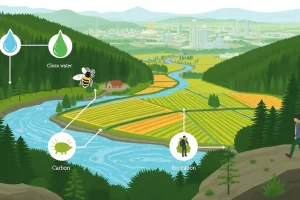
Ecosystem services are typically grouped into four categories: provisioning services (food, fresh water, timber, fiber, and medicines), regulating services (climate regulation, flood control, disease regulation, water purification), cultural services (recreational, spiritual, and aesthetic benefits), and supporting services (nutrient cycling, soil formation, primary production). Biodiversity is the engine that drives all of these services. For example, a diverse community of soil organisms maintains soil fertility, which supports crop growth. Pollinators such as bees and butterflies enable the reproduction of many food plants. Forests regulate water flows and absorb carbon dioxide. The loss of biodiversity weakens each of these functions, creating a cascade of negative effects on human populations.
How It Works: The Mechanisms Linking Biodiversity and Human Well-Being
The relationship between biodiversity and human well-being operates through multiple interconnected pathways. At the most fundamental level, biodiversity ensures the productivity and stability of ecosystems. Diverse ecosystems are more efficient at capturing resources, producing biomass, and cycling nutrients. They are also more resilient to disturbances such as droughts, pests, and disease outbreaks. This resilience directly benefits humans by maintaining a steady supply of ecosystem goods and services even under changing conditions.
One key mechanism is the insurance effect: a higher number of species performing similar ecological roles provides a buffer against the failure of any single species. For instance, in a diverse pollinator community, if one bee species declines due to disease, other species can continue to pollinate crops, safeguarding food production. Similarly, genetic diversity within crop species allows for adaptation to new pests or climate conditions, reducing the risk of widespread crop failure. Another mechanism is the regulation of disease. Intact ecosystems with high biodiversity often dilute the transmission of pathogens. When biodiversity is lost, reservoir hosts for diseases can become more dominant, increasing the risk of spillover to humans, as seen with Lyme disease and some viral zoonoses.
Biodiversity also supports the water cycle. Forests and wetlands act as natural sponges, absorbing rainfall and releasing it slowly, which reduces flooding and ensures water availability during dry periods. Vegetation cover prevents soil erosion, maintaining agricultural productivity and preventing sedimentation of waterways. The loss of these natural infrastructures forces societies to invest in costly engineered replacements, such as water treatment plants and flood barriers, which are often less effective and less accessible to poorer communities.
Main Causes or Drivers of Biodiversity Loss
The primary drivers of biodiversity loss are human activities that alter or destroy natural habitats, overexploit species, introduce invasive organisms, pollute the environment, and change the climate. These drivers often interact, amplifying their impacts. The five most significant direct drivers, as identified by the Intergovernmental Science-Policy Platform on Biodiversity and Ecosystem Services (IPBES), are:
- Land and sea use change: The conversion of forests, grasslands, wetlands, and other natural habitats into agricultural land, urban areas, and infrastructure is the single largest driver. Deforestation, wetland drainage, and coastal development destroy the homes of countless species and fragment remaining habitats.
- Overexploitation: Unsustainable hunting, fishing, logging, and harvesting of wild species deplete populations faster than they can recover. Overfishing has collapsed many marine fish stocks, while the illegal wildlife trade threatens iconic species and disrupts ecosystems.
- Climate change: Rising temperatures, altered precipitation patterns, and more frequent extreme weather events shift habitats, disrupt life cycles, and exceed the adaptive capacity of many species. Coral bleaching, driven by ocean warming, is a stark example.
- Pollution: Chemical pollutants, plastics, excess nutrients from agriculture, and noise and light pollution harm species directly and degrade habitats. Nutrient runoff creates dead zones in oceans and freshwater systems, while pesticides kill non-target insects, including pollinators.
- Invasive alien species: Species introduced intentionally or accidentally outside their native range can outcompete, prey on, or bring diseases to native species, leading to declines and extinctions. The spread of invasive species is facilitated by global trade and travel.
Underlying these direct drivers are indirect drivers such as population growth, consumption patterns, economic systems that fail to value nature, and governance challenges. Addressing biodiversity loss requires tackling both the direct and indirect causes.
Environmental and Human Impacts
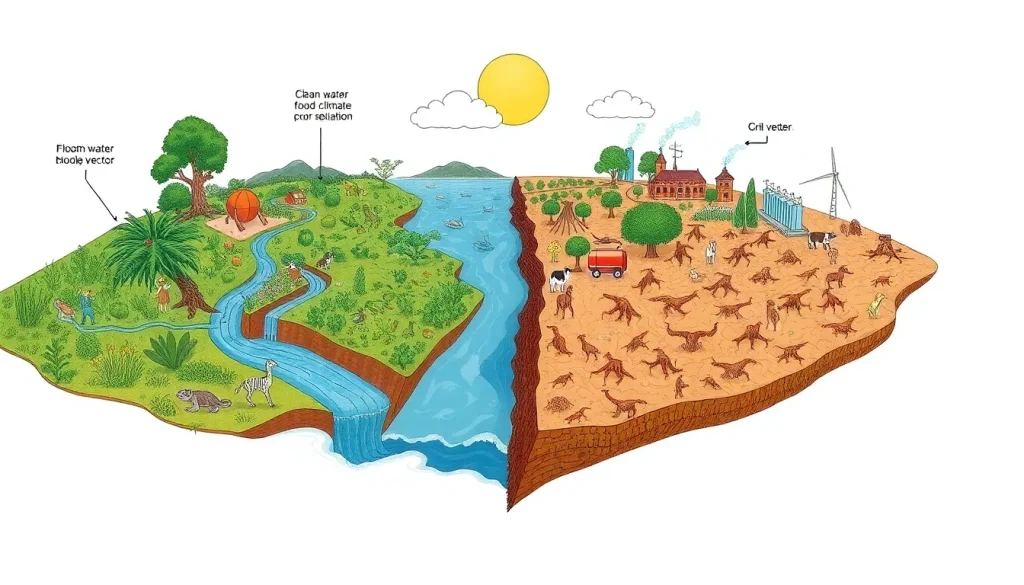
The environmental consequences of biodiversity loss include the simplification of ecosystems, reduced resilience, and the disruption of ecological processes. When keystone species disappear, entire ecosystems can shift to alternative, often less productive states. For example, the loss of top predators can lead to overpopulation of herbivores, which then overgraze vegetation, causing soil erosion and desertification. The loss of plant diversity reduces carbon storage and accelerates climate change, creating a feedback loop.
For humans, the impacts are far-reaching and often unequally distributed. Food security is directly threatened when pollinators decline, fisheries collapse, or soil fertility diminishes. An estimated 75% of global food crops depend at least in part on animal pollination, and the loss of pollinators could reduce yields of fruits, vegetables, and nuts, leading to nutritional deficiencies and higher food prices. Water security is compromised when watersheds are deforested or wetlands drained, reducing natural water filtration and storage. This increases the risk of waterborne diseases and forces communities to rely on more expensive and energy-intensive water treatment.
Human health is affected through multiple channels. Biodiversity loss can increase the transmission of infectious diseases. For instance, forest fragmentation in some regions has been linked to higher incidences of malaria and Lyme disease because it alters the abundance of disease vectors and reservoir hosts. The loss of medicinal plants and the genetic resources needed to develop new pharmaceuticals limits future medical discoveries. Mental and cultural well-being also suffer; many cultures derive identity, spiritual fulfillment, and recreational benefits from nature, and the degradation of natural landscapes can lead to a sense of loss and diminished quality of life.
Economic costs are substantial. The decline of fisheries affects the livelihoods of millions of people and the protein supply for billions. Crop losses due to pollinator declines and soil degradation reduce agricultural incomes. Damage from floods and storms increases when protective ecosystems like mangroves and coral reefs are degraded. The World Bank and other institutions have estimated that the collapse of certain ecosystem services could cost the global economy trillions of dollars annually. The poor, who often depend most directly on natural resources and have the fewest alternatives, bear the heaviest burden.
What the Evidence Shows
A large body of scientific evidence confirms the critical role of biodiversity in sustaining ecosystem services and human well-being. The Millennium Ecosystem Assessment (2005) found that approximately 60% of the ecosystem services examined were being degraded or used unsustainably, with significant negative consequences for human well-being. The IPBES Global Assessment (2019) reported that around 1 million animal and plant species are threatened with extinction, many within decades, and that the rate of global species extinction is tens to hundreds of times higher than the average over the past 10 million years.
Experimental studies have demonstrated the causal links. Long-term grassland experiments, such as those at Cedar Creek in the United States, show that plots with higher plant diversity produce more biomass, are more resistant to drought, and maintain soil fertility better than monocultures. Similarly, research on coral reefs indicates that more diverse reef systems recover faster from bleaching events and support greater fish biomass, which benefits local fisheries. Studies in public health have documented that higher bird diversity is associated with lower human risk of West Nile virus infection in some areas, likely due to the dilution effect.
Economic valuations, while inherently uncertain, consistently show that the benefits of conserving biodiversity far outweigh the costs. The Economics of Ecosystems and Biodiversity (TEEB) initiative and subsequent analyses have estimated that ecosystem services contribute tens of trillions of dollars to the global economy annually. The loss of pollinators alone is estimated to put hundreds of billions of dollars of crop value at risk each year. These figures, though approximate, underscore the material importance of biodiversity to human prosperity.
Connections to Other Systems
Biodiversity loss does not occur in isolation; it is deeply interconnected with climate change, land degradation, water cycles, and human health systems. Climate change and biodiversity loss reinforce each other: deforestation and ecosystem degradation release stored carbon, contributing to global warming, while rising temperatures and extreme weather accelerate species extinctions. Protecting and restoring forests, peatlands, and other carbon-rich ecosystems is therefore a critical strategy for both climate mitigation and biodiversity conservation.
The water system is another nexus. Wetlands, forests, and grasslands regulate the quantity and quality of freshwater. When these ecosystems are degraded, water supplies become less reliable, and the risk of both floods and droughts increases. This, in turn, affects agriculture, energy production, and human health. For example, the loss of mountain forests can reduce the water available for downstream cities and irrigation during dry seasons.
Human health systems are also linked. The emergence of zoonotic diseases such as Ebola, SARS, and COVID-19 has been associated with habitat destruction and wildlife trade, which increase human contact with novel pathogens. Biodiversity loss can also exacerbate non-communicable diseases; reduced access to green spaces is linked to higher rates of obesity, cardiovascular disease, and mental health disorders. Furthermore, the loss of traditional knowledge about medicinal plants and local ecosystems can undermine healthcare in indigenous and rural communities.
Economic and social systems are equally dependent. Global supply chains for food, timber, fibers, and pharmaceuticals rely on biodiversity. The collapse of a fishery or the spread of a crop disease can have ripple effects across international markets. Socially, the erosion of biodiversity can fuel conflict over scarce resources, displace communities, and erode cultural identities. Recognizing these connections is essential for developing integrated solutions that address multiple challenges simultaneously.
Solutions
Halting and reversing biodiversity loss requires coordinated action at all levels, from international policy to individual behavior. The most effective solutions address the direct and indirect drivers of loss while promoting sustainable use and equitable sharing of benefits. Key strategies include:
- Protected areas and conservation: Expanding and effectively managing networks of protected areas on land and in the ocean can safeguard critical habitats and species. Community-led conservation and indigenous territories have proven particularly effective in many regions.
- Ecosystem restoration: Restoring degraded forests, wetlands, grasslands, and coastal ecosystems can recover biodiversity and ecosystem services. Large-scale initiatives, such as reforestation and peatland rewetting, also contribute to climate change mitigation.
- Sustainable agriculture and fisheries: Adopting practices like agroecology, integrated pest management, and sustainable aquaculture reduces pressure on wild species and habitats while maintaining productivity. Reducing food waste and shifting diets toward more plant-based options can also lessen the land footprint.
- Combating invasive species and pollution: Strengthening biosecurity measures, controlling established invasives, and reducing chemical and plastic pollution are essential to protect native biodiversity.
- Climate action: Mitigating climate change by reducing greenhouse gas emissions and adapting to its impacts is critical, as climate change is a major driver of biodiversity loss. Nature-based solutions, such as forest conservation and wetland restoration, provide co-benefits.
- Policy and economic instruments: Integrating biodiversity values into national accounting, eliminating harmful subsidies, and creating incentives for conservation (e.g., payments for ecosystem services) can align economic activities with biodiversity goals. International agreements like the Kunming-Montreal Global Biodiversity Framework set targets for 2030 and beyond.
- Individual and community action: Individuals can support biodiversity by reducing consumption, choosing sustainably sourced products, supporting conservation organizations, and advocating for stronger environmental policies. Community-based monitoring and citizen science also contribute to knowledge and stewardship.
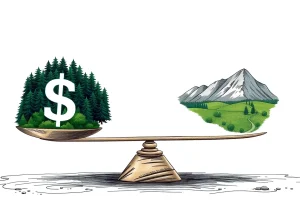
Addressing biodiversity loss is not merely an environmental issue; it is a fundamental investment in human health, economic stability, and social equity. The solutions exist, but their success depends on political will, financial resources, and a collective recognition that human well-being is inseparable from the diversity of life on Earth.
FAQ
What is biodiversity loss?
Biodiversity loss is the decline in the variety of life on Earth, including the extinction of species, the reduction of genetic diversity within species, and the degradation of ecosystems. It is driven primarily by human activities such as habitat destruction, overexploitation, pollution, climate change, and invasive species.
How does biodiversity loss affect food security?
Biodiversity loss threatens food security by reducing pollination services, degrading soil fertility, and collapsing fisheries. Many crops depend on animal pollinators, and the loss of these species can lower yields and nutritional quality. Genetic diversity in crops and livestock is also essential for breeding resilience to pests and climate change.
Why is biodiversity important for human health?
Biodiversity supports human health by regulating diseases, providing medicinal resources, and maintaining clean air and water. Intact ecosystems can dilute disease transmission, while the loss of biodiversity increases the risk of zoonotic diseases. Many modern medicines are derived from natural compounds, and the loss of species limits future discoveries.
References
- Millennium Ecosystem Assessment (2005). Ecosystems and Human Well-being: Synthesis. Island Press.
- IPBES (2019). Global Assessment Report on Biodiversity and Ecosystem Services. Intergovernmental Science-Policy Platform on Biodiversity and Ecosystem Services.
- World Health Organization and Secretariat of the Convention on Biological Diversity (2015). Connecting Global Priorities: Biodiversity and Human Health – A State of Knowledge Review.