In brief
At a glance
Quick Facts
- Definition of Energy Efficiency
- Using less energy to perform the same task or provide the same service, typically through technology.
- Definition of Energy Conservation
- Reducing energy use through behavioral changes or reduced consumption of energy services.
- Primary Mechanism
- Efficiency relies on technology; conservation relies on human behavior.
- Cost Implications
- Efficiency often requires upfront investment; conservation is usually low-cost or free.
- Rebound Effect
- A phenomenon where some energy savings from efficiency are offset by increased use of the service.
- Global Impact
- Energy efficiency is considered the 'first fuel' by the International Energy Agency due to its potential to reduce demand.
- Examples of Efficiency
- LED lighting, high-efficiency HVAC systems, insulation, fuel-efficient vehicles.
- Examples of Conservation
- Turning off lights, lowering thermostat, unplugging devices, reducing travel.
Key Takeaways
- Energy efficiency means using less energy to perform the same task, typically through technology upgrades like LED lighting or better insulation.
- Energy conservation involves behavioral changes to reduce energy use, such as turning off lights or lowering the thermostat.
- Efficiency maintains or improves service levels while cutting energy waste; conservation may require adjustments in comfort or convenience.
- Both strategies are complementary and essential for reducing energy demand, lowering costs, and minimizing environmental impact.
What Is Energy Efficiency vs Energy Conservation?
Energy efficiency and energy conservation are two distinct but complementary approaches to reducing energy consumption. Energy efficiency refers to using technology that requires less energy to perform the same function—for example, replacing an incandescent light bulb with an LED that produces the same amount of light while using less electricity. Energy conservation, on the other hand, involves behavioral changes that reduce energy use, such as turning off lights when leaving a room or setting the thermostat lower in winter. While both aim to lower energy demand, efficiency focuses on doing more with less, whereas conservation emphasizes doing less overall.
These concepts are often discussed together because they share the common goal of reducing energy consumption and its associated environmental and economic costs. However, they operate through different mechanisms and have distinct implications for policy, technology, and daily life. Understanding the difference is crucial for designing effective energy strategies at the individual, organizational, and governmental levels.
Overview
Energy efficiency is typically associated with technological improvements that reduce energy waste without compromising the quality of the service provided. Examples include high-efficiency appliances, better building insulation, and fuel-efficient vehicles. These measures often require an upfront investment but yield long-term savings and environmental benefits. Energy efficiency is a cornerstone of many national energy policies because it can decouple economic growth from energy consumption, allowing societies to produce more with less energy.
Energy conservation, by contrast, is rooted in behavioral change. It involves actions like turning off unused equipment, reducing heating or cooling settings, carpooling, or simply using less energy-intensive modes of transportation. Conservation can be implemented immediately and at little to no cost, but it may require ongoing effort and sometimes a reduction in comfort or convenience. Both efficiency and conservation are essential for achieving deep reductions in energy use and greenhouse gas emissions.
How They Work
Energy efficiency works by improving the technical performance of devices, systems, or processes so that they deliver the same output with less energy input. For example, a modern refrigerator uses better insulation and more efficient compressors to keep food cold while consuming less electricity than an older model. Similarly, a well-insulated building requires less energy for heating and cooling because it minimizes heat transfer. These improvements are often driven by advances in materials science, engineering, and manufacturing, and they are typically measured by metrics such as the Energy Efficiency Ratio (EER) or the coefficient of performance (COP).
Energy conservation, in contrast, works through changes in human behavior and operational practices. It does not necessarily involve new technology; instead, it relies on actions that reduce energy use. For instance, setting a thermostat to a lower temperature in winter and wearing warmer clothing indoors is a conservation measure. Turning off lights when leaving a room, unplugging devices when not in use, and reducing travel are all forms of conservation. While these actions may seem small individually, their collective impact can be substantial when adopted widely.
Importance and Impact
Both energy efficiency and conservation play critical roles in addressing global energy challenges. By reducing overall energy demand, they help decrease reliance on fossil fuels, lower greenhouse gas emissions, and mitigate climate change. They also enhance energy security by reducing the need for energy imports and can alleviate strain on energy infrastructure, delaying or eliminating the need for new power plants and transmission lines. For consumers, efficiency and conservation lead to lower utility bills and can protect against volatile energy prices.
On a macroeconomic scale, energy efficiency investments can stimulate economic growth by creating jobs in manufacturing, construction, and technology sectors. Conservation behaviors, while not directly creating jobs, can free up household income for other spending. Both approaches contribute to public health by reducing air pollution from fossil fuel combustion. The International Energy Agency has identified energy efficiency as the “first fuel” in the transition to a sustainable energy system, emphasizing its role as the most cost-effective way to meet energy demand while reducing emissions.
Benefits, Limitations and Trade-offs
The primary benefit of energy efficiency is that it provides the same or improved service with less energy, often leading to long-term cost savings and increased comfort. For example, efficient lighting not only cuts electricity bills but can also improve light quality. However, efficiency measures often require upfront capital investment, which can be a barrier for low-income households or small businesses. Additionally, the “rebound effect” may occur: when energy savings from efficiency lead to lower effective energy costs, people may use more of the service, partially offsetting the savings.
Energy conservation is generally low-cost or free and can be implemented immediately. It empowers individuals to take direct action without needing technical expertise. However, conservation may involve trade-offs in comfort, convenience, or productivity. For instance, reducing heating can lead to discomfort in cold climates, and limiting travel can affect mobility. Conservation also relies on sustained behavioral change, which can be difficult to maintain over time without ongoing motivation or incentives. The most effective energy strategies combine efficiency and conservation to maximize savings while minimizing negative impacts.
Common Misconceptions
One common misconception is that energy efficiency and energy conservation are the same thing. While they both reduce energy use, efficiency is about technology and conservation is about behavior. Another misconception is that efficiency alone can solve energy problems without any need for conservation. In reality, efficiency gains can be outpaced by growth in energy demand if consumption patterns do not change. For example, even with more efficient cars, total fuel use may rise if people drive more miles.
Some people believe that conservation always means sacrifice or a lower quality of life. In practice, many conservation actions—like turning off lights in empty rooms—have negligible impact on comfort. Others assume that efficiency improvements are always expensive, but many low-cost measures exist, such as sealing air leaks or using power strips to eliminate standby power. Finally, there is a misconception that individual actions do not matter; however, widespread adoption of both efficiency and conservation behaviors can significantly reduce national energy demand.
What Individuals Can Do
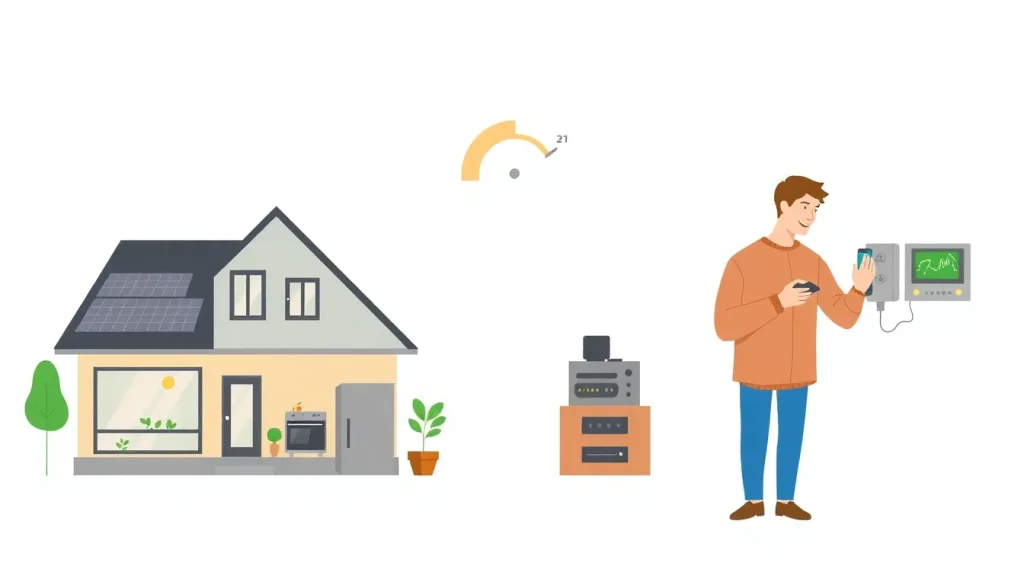
Individuals can adopt a mix of energy efficiency and conservation practices in their daily lives. For efficiency, consider upgrading to ENERGY STAR-certified appliances, installing LED lighting, improving home insulation, and using programmable thermostats. These investments pay for themselves over time through lower energy bills. When purchasing a vehicle, choosing a fuel-efficient or electric model reduces fuel consumption per mile.
For conservation, simple actions include turning off lights and electronics when not in use, unplugging chargers, washing clothes in cold water, and adjusting thermostat settings seasonally. Reducing water use also conserves energy, as less energy is needed for pumping and heating. Behavioral changes like carpooling, using public transportation, or combining errands into one trip can significantly cut fuel use. By combining efficiency upgrades with conservation habits, individuals can maximize their energy savings and environmental benefits.
FAQ
What is the difference between energy efficiency and energy conservation?
Energy efficiency uses technology to reduce energy use while maintaining the same level of service, such as LED bulbs. Energy conservation involves behavioral changes to reduce energy use, such as turning off lights.
Which is more effective: energy efficiency or energy conservation?
Both are effective and complementary. Efficiency provides long-term, technology-driven savings, while conservation offers immediate, low-cost reductions. The most impactful approach combines both.
Can energy efficiency lead to higher energy consumption?
Yes, through the rebound effect. When efficiency makes a service cheaper, people may use more of it, partially offsetting savings. However, well-designed policies can minimize this effect.
References
- U.S. Energy Information Administration (EIA) – Energy Explained
- International Energy Agency (IEA) – Energy Efficiency
- U.S. Environmental Protection Agency (EPA) – Energy Conservation and Efficiency