In brief
At a glance
Quick Facts
- Definition
- Grid flexibility is the ability of a power system to maintain balance between supply and demand under changing conditions.
- Key Resources
- Flexible generation, energy storage, demand response, and grid interconnections are primary sources of flexibility.
- Timescales
- Flexibility operates from sub-second inertial response to seasonal storage, covering a wide range of needs.
- Renewable Integration
- High shares of wind and solar increase the need for flexibility to manage their variability and uncertainty.
- Economic Value
- Flexibility can reduce system costs by avoiding curtailment of renewables and minimizing the need for peaking plants.
- Environmental Impact
- While flexibility enables cleaner energy, some flexible resources like natural gas peakers have emissions, requiring a balanced portfolio.
Key Takeaways
- Grid flexibility is the capacity of an electricity system to maintain reliable service by adjusting supply and demand in response to variability and uncertainty.
- It is essential for integrating high shares of variable renewable energy sources like wind and solar, which fluctuate with weather and time of day.
- Flexibility can be provided by a diverse set of resources, including flexible generation, energy storage, demand response, and grid interconnections.
- Without sufficient flexibility, grids risk instability, curtailment of renewables, and higher costs, making it a cornerstone of the clean energy transition.
What Is Grid Flexibility?
Grid flexibility refers to the ability of an electricity system to maintain a continuous balance between supply and demand under changing and uncertain conditions. In a power grid, electricity must be generated and consumed in real time, as large-scale storage has historically been limited. Flexibility is the system’s capacity to ramp generation up or down, shift demand, or store energy to accommodate fluctuations, whether they arise from variable renewable energy sources, unexpected power plant outages, or sudden changes in consumer load.
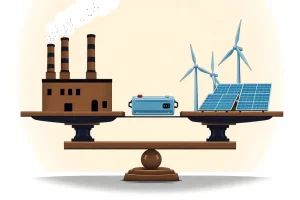
Flexibility is not a single technology but a characteristic of the entire power system. It encompasses a range of operational, technical, and market-based solutions that allow the grid to respond to changes over various timescales, from seconds to seasons. As grids incorporate more intermittent renewable sources like solar and wind, the need for flexibility grows, because these sources are not dispatchable in the traditional sense—they cannot be turned on at will but depend on weather conditions. Thus, grid flexibility is a critical enabler of a reliable, affordable, and low-carbon electricity system.
How It Works
Grid flexibility operates through a combination of technical capabilities and market mechanisms that allow the power system to respond to changes in supply and demand. At its core, flexibility involves adjusting the output of generators, managing consumption, or storing energy to maintain the delicate balance required for grid stability. The response can be categorized by timescale: primary frequency response (seconds), secondary frequency response (minutes), and tertiary or balancing services (hours to days). Each timescale requires different resources and coordination strategies.
Key enablers of flexibility include:
- Flexible generation: Power plants that can quickly ramp up or down, such as natural gas turbines, hydropower with reservoirs, and some modern coal plants. These provide controllable supply-side flexibility and are often dispatched in response to market signals or operator commands.
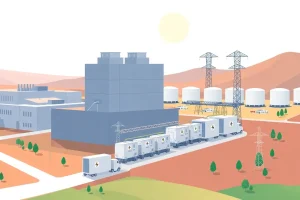
- Energy storage: Technologies like pumped hydro storage, batteries, and compressed air energy storage can absorb excess electricity and release it when needed, effectively shifting supply to match demand. Batteries, in particular, offer rapid response and are increasingly deployed at both utility and distributed scales.
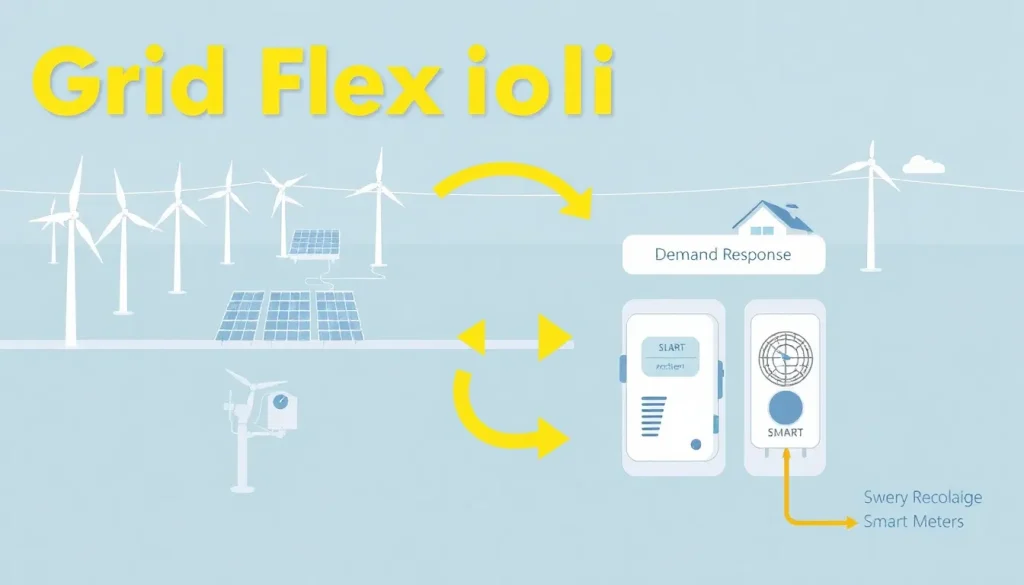
- Demand-side management: Programs that incentivize or enable consumers to adjust their electricity usage in response to grid conditions. This includes demand response, where large industrial users or aggregated residential loads reduce consumption during peak times, and dynamic pricing that encourages off-peak usage. Smart appliances and electric vehicle charging can be automated to respond to grid signals.
- Grid interconnections: Transmission lines connecting different regions allow sharing of resources, smoothing out local variability by importing or exporting power. Strong interconnections enable a larger balancing area, reducing the need for local flexibility reserves.
- Advanced forecasting and controls: Improved weather forecasting and real-time grid monitoring enable operators to anticipate changes and dispatch resources more efficiently. Digitalization and automation are increasing the speed and precision of flexibility provision, with artificial intelligence and machine learning playing a growing role in optimizing grid operations.
These resources are coordinated through market signals, such as real-time electricity prices, or through direct control by grid operators. In modern grids, flexibility is often procured through ancillary services markets, where providers bid to offer frequency regulation, spinning reserves, or ramping capability. The integration of distributed energy resources (DERs) is also transforming how flexibility is sourced, with aggregators pooling small-scale assets to participate in wholesale markets.
Main Causes or Drivers
The growing need for grid flexibility is driven by several interconnected trends in the energy sector:
- Increasing penetration of variable renewable energy (VRE): Wind and solar power are inherently variable and uncertain, as their output depends on weather conditions. High shares of VRE can create rapid changes in net load (demand minus renewable generation), requiring the grid to ramp other resources up or down quickly. For example, the “duck curve” phenomenon in California illustrates how solar generation can cause a steep evening ramp when the sun sets and demand rises.
- Decline of dispatchable fossil fuel plants: As coal and some gas plants retire for economic or environmental reasons, the grid loses traditional sources of flexibility that could be ramped on demand. This retirement reduces the system’s inherent inertia and frequency response capabilities, which were historically provided by large rotating generators.
- Electrification of end-use sectors: The rise of electric vehicles, heat pumps, and electric industrial processes increases overall electricity demand and can create new load patterns, adding to the need for flexible management. Uncontrolled charging of EVs, for instance, could exacerbate peak demand, while smart charging can turn EVs into a flexibility resource.
- Decentralization of generation: The growth of distributed energy resources (DERs) like rooftop solar and behind-the-meter batteries changes power flows and introduces bidirectional electricity flows, requiring more active grid management. This decentralization can both challenge and enhance flexibility, depending on how these resources are integrated.
- Climate change and extreme weather: More frequent and intense weather events can disrupt both supply and demand, necessitating a more resilient and flexible grid. Heatwaves, storms, and cold snaps can cause sudden spikes in demand or damage infrastructure, making flexibility crucial for maintaining reliability.
Economic factors also play a role. The falling cost of renewable energy and storage technologies makes flexibility investments more attractive, while the rising cost of carbon emissions in some jurisdictions incentivizes cleaner flexibility options. Additionally, the increasing digitalization of the economy heightens the cost of power outages, further underscoring the value of a flexible and resilient grid.
Benefits, Limitations and Trade-offs
Grid flexibility offers numerous benefits but also comes with challenges and trade-offs that must be carefully managed.
Benefits:
- Enhanced reliability and resilience: A flexible grid can better withstand and recover from disruptions, reducing the risk of blackouts. It can quickly respond to sudden generator failures or transmission line faults, maintaining frequency and voltage within safe limits.
- Greater integration of renewables: Flexibility enables higher shares of low-cost, zero-emission wind and solar, supporting decarbonization goals. By absorbing surplus renewable generation and filling gaps when output drops, flexibility reduces curtailment and maximizes the use of clean energy.
- Cost savings: By optimizing the use of generation assets and reducing the need for expensive peaking plants, flexibility can lower overall system costs. It also reduces curtailment of renewable energy, maximizing the value of clean generation. Studies have shown that flexibility can reduce the total cost of electricity supply by avoiding overbuilding of generation and transmission infrastructure.
- Improved efficiency: Demand-side flexibility can shift consumption to times when electricity is cheaper and cleaner, reducing waste. This can lower consumer bills and decrease the environmental footprint of the power sector.
Limitations and trade-offs:
- Technical constraints: Some flexibility resources have limited ramp rates, duration, or capacity. For example, battery storage can provide fast response but may only last a few hours, while pumped hydro requires specific geographic conditions. No single resource can provide all types of flexibility across all timescales.
- Cost of implementation: Building new storage, upgrading grid infrastructure, and deploying smart grid technologies require significant investment. While costs are declining, the upfront capital can be a barrier, especially in developing economies.
- Market and regulatory barriers: Existing electricity market designs may not adequately compensate flexibility services, and regulations can hinder the participation of new resources like aggregated demand response. In many markets, the value of flexibility is not fully reflected in prices, discouraging investment.
- Environmental impacts: Some flexible generation, such as natural gas peaker plants, produce emissions. Pumped hydro storage can have land and water impacts. Thus, a balanced portfolio is needed to minimize environmental harm. The lifecycle impacts of battery manufacturing and disposal also require attention.
- Complexity and coordination: Managing a highly flexible grid with many distributed resources requires advanced control systems and coordination among multiple stakeholders. Cybersecurity and data privacy concerns arise with increased digitalization and connectivity.
Examples
Several real-world examples illustrate how grid flexibility is being implemented:
- Denmark: With one of the highest shares of wind power in the world, Denmark relies on strong interconnections with neighboring countries (Norway and Sweden) to export excess wind power and import hydropower when needed. It also uses district heating systems with thermal storage to absorb surplus electricity, effectively converting electricity to heat and storing it for later use. Advanced wind forecasting and a flexible thermal fleet further support grid stability.
- California: The state has invested heavily in battery storage to manage the “duck curve”—the steep ramp in net load as solar generation drops off in the evening. Large-scale battery installations and demand response programs help balance the grid. California’s market also includes a flexible ramping product that compensates resources for their ability to ramp quickly, incentivizing flexibility provision.
- Germany: As a leader in solar and wind, Germany uses a combination of flexible natural gas plants, pumped hydro storage, and cross-border trading to maintain stability. It is also piloting “virtual power plants” that aggregate small-scale DERs, allowing them to participate in balancing markets. The country’s ambitious Energiewende (energy transition) has made flexibility a central focus of grid planning.
- Australia: The Hornsdale Power Reserve (Tesla big battery) in South Australia provides fast frequency response and has reduced grid stabilization costs. It demonstrates the value of battery storage for flexibility, responding to frequency deviations in milliseconds. The battery also participates in energy arbitrage, charging when prices are low and discharging when they are high.
- Texas (ERCOT): The competitive electricity market in Texas incentivizes demand response and fast-ramping gas plants to handle high wind penetration and extreme weather events. ERCOT’s market design includes scarcity pricing that can spike during tight conditions, encouraging investment in flexible resources. The state’s isolated grid also highlights the importance of internal flexibility without relying on external interconnections.
Solutions
Achieving high levels of grid flexibility requires a multi-faceted approach involving technology, market design, and policy:
- Deploy energy storage at scale: Batteries, pumped hydro, and emerging long-duration storage technologies can provide flexibility across timescales. Policies that support storage deployment, such as investment tax credits or capacity markets, are critical. Research and development into next-generation storage, like flow batteries and green hydrogen, can further expand options.
- Modernize grid infrastructure: Upgrading transmission and distribution networks, including the use of advanced sensors and automation, enables better monitoring and control of power flows. Smart grids can self-heal and reroute power around disruptions, enhancing resilience.
- Implement smart grid technologies: Smart meters, real-time pricing, and automated demand response systems empower consumers to adjust usage and allow utilities to manage load more effectively. These technologies also provide the data needed for accurate forecasting and dynamic grid management.
- Reform electricity markets: Market rules should properly value flexibility services, such as frequency regulation and ramping capability. This includes creating markets for ancillary services and allowing aggregated distributed resources to participate. Time-varying pricing and performance-based regulation can incentivize efficient flexibility provision.
- Promote demand-side flexibility: Incentivize industrial, commercial, and residential consumers to shift or reduce demand through time-of-use rates, direct load control, and incentive programs. Building codes and appliance standards can also mandate smart-ready devices that can respond to grid signals.
- Enhance regional coordination: Expanding interconnections and harmonizing market rules across larger geographic areas can smooth variability and share flexibility resources. Regional transmission organizations (RTOs) and cross-border trading arrangements can optimize the use of diverse generation mixes.
- Support innovation and digitalization: Advanced forecasting, artificial intelligence, and blockchain-based energy trading can optimize the use of flexible resources. Digital platforms can enable peer-to-peer energy trading and streamline the aggregation of small-scale assets.
Effective solutions also require a supportive regulatory framework that removes barriers to entry for new flexibility providers and ensures fair compensation. International cooperation and knowledge sharing can accelerate the adoption of best practices, particularly in regions with rapidly growing energy demand.
FAQ
What is grid flexibility?
Grid flexibility is the ability of an electricity system to maintain reliable service by adjusting supply and demand in real time, accommodating fluctuations from variable renewable energy, demand changes, and unexpected outages.
How does grid flexibility work?
It works through a combination of flexible power plants, energy storage, demand response programs, and grid interconnections, coordinated by market signals and advanced control systems to balance the grid across different timescales.
Why does grid flexibility matter?
It matters because it enables the integration of high shares of renewable energy, enhances grid reliability, reduces costs, and supports the transition to a low-carbon electricity system, making it essential for modern power grids.
References
- International Energy Agency (IEA), 'Status of Power System Transformation: System Integration of Renewables'
- International Renewable Energy Agency (IRENA), 'Innovation Landscape for a Renewable-Powered Future: Solutions to Integrate Variable Renewables'
- North American Electric Reliability Corporation (NERC), 'Flexibility Requirements and Metrics for Power System Planning and Operations'