In brief
At a glance
Quick Facts
- Verdict
- Both essential; emissions reduction is priority, carbon removal is necessary complement
- Problem addressed
- Climate change from greenhouse gas emissions
- Evidence strength
- Strong for emissions reduction; moderate for carbon removal (varies by method)
- Potential scale
- Global
- Relative cost
- Emissions reduction: low to moderate; carbon removal: moderate to high
- Time to impact
- Emissions reduction: immediate to years; carbon removal: years to decades
Quick verdict
Both emissions reduction and carbon removal are indispensable for meeting the Paris Agreement goals, but they are not interchangeable. Emissions reduction—cutting greenhouse gas output at the source—is the most urgent, cost-effective, and proven strategy. Carbon removal—extracting CO₂ from the atmosphere—is necessary to counterbalance residual emissions from hard-to-abate sectors and to draw down historical concentrations. Neither approach alone can stabilize the climate; a dual strategy is required, with immediate and deep emissions cuts complemented by scaling up carbon removal technologies and natural sinks.
Problem addressed
This comparison addresses the overarching challenge of anthropogenic climate change, driven primarily by the accumulation of carbon dioxide (CO₂) and other greenhouse gases in the atmosphere. The core problem is that human activities—burning fossil fuels, deforestation, industrial processes, and agriculture—release about 40 billion tonnes of CO₂ per year, exceeding the Earth’s natural absorption capacity. The resulting enhanced greenhouse effect leads to global warming, sea-level rise, extreme weather, and ecosystem disruption. The dual strategies of emissions reduction and carbon removal aim to halt and eventually reverse this buildup, but they tackle the problem from opposite ends: one prevents new emissions, the other cleans up past and unavoidable emissions.
How the solution works
Emissions reduction works by lowering the amount of greenhouse gases released into the atmosphere. This can be achieved through a variety of means: transitioning to renewable energy sources (solar, wind, hydro), improving energy efficiency, electrifying transport, adopting sustainable agricultural practices, reducing deforestation, and shifting industrial processes. These actions directly cut the flow of new emissions.
Carbon removal, also known as negative emissions, works by capturing CO₂ already in the air and storing it durably. Methods fall into two broad categories: nature-based and technology-based. Nature-based solutions include afforestation and reforestation (trees absorb CO₂ via photosynthesis), soil carbon sequestration (improving land management to store more carbon in soils), and coastal blue carbon (restoring mangroves, seagrasses). Technology-based solutions include direct air capture (DAC), where chemical processes extract CO₂ from ambient air for underground storage or utilization; bioenergy with carbon capture and storage (BECCS), where biomass is burned for energy and the resulting CO₂ is captured; and enhanced weathering, which accelerates natural mineral reactions that bind CO₂. Both approaches ultimately aim to reduce net atmospheric CO₂ concentrations.
Evidence strength
The evidence for emissions reduction is robust and grounded in decades of research, real-world deployment, and economic analysis. The IPCC’s Sixth Assessment Report (2022) states with high confidence that net-zero CO₂ emissions require deep, rapid, and sustained reductions. Numerous technologies—solar photovoltaics, wind turbines, electric vehicles—are commercially mature and have demonstrated significant cost declines. Policy instruments like carbon pricing and renewable portfolio standards have been tested in multiple jurisdictions with measurable results.
Evidence for carbon removal is more mixed and varies by method. Afforestation and reforestation are well-understood, with centuries of practice, but their permanence is vulnerable to wildfires, pests, and land-use change. Soil carbon sequestration has moderate evidence, with site-specific effectiveness. BECCS and DAC are at earlier stages: only a handful of pilot and commercial plants exist, and their long-term viability, scalability, and net carbon balance are subjects of active research. A 2018 study in Environmental Research Letters found that most negative emissions technologies face significant uncertainties regarding costs, potentials, and side effects. The IPCC notes that while carbon removal is necessary in all pathways limiting warming to 1.5°C, deployment at scale remains unproven.
Potential scale
Emissions reduction can be applied globally across all sectors. The theoretical potential is to eliminate nearly all anthropogenic emissions, though practical constraints—political will, infrastructure lock-in, and economic costs—mean that some residual emissions (e.g., from aviation, cement, agriculture) will persist. The IEA’s Net Zero by 2050 roadmap envisions a 90% reduction in energy-related CO₂ emissions by 2050, with the remainder offset by carbon removal.
Carbon removal’s scale is limited by land, energy, and cost. Nature-based solutions require vast land areas: a 2019 National Academies report estimated that afforestation/reforestation could sequester 2.5–9 gigatonnes of CO₂ per year globally, but would compete with food production and biodiversity. BECCS could theoretically remove 0.5–5 gigatonnes annually but would demand enormous biomass supplies. DAC is not land-limited but is energy-intensive; scaling to billions of tonnes would require a massive build-out of renewable energy and carbon storage infrastructure. Current global carbon removal capacity is around 2 gigatonnes per year, mostly from forests, while pathways to 1.5°C require 5–16 gigatonnes annually by 2050—a gap that underscores the need for both aggressive emissions cuts and accelerated removal deployment.
Cost considerations
Emissions reduction costs vary widely by sector and region. Many energy efficiency measures have negative costs (they save money). Renewable electricity is now cheaper than fossil fuels in most markets: the levelized cost of solar PV fell by 85% between 2010 and 2020. Electric vehicles are approaching cost parity with internal combustion engines. However, decarbonizing heavy industry and aviation remains expensive. Overall, the IPCC estimates that limiting warming to 2°C would reduce global GDP by 1–4% by 2050 compared to baseline, a manageable but significant cost.
Carbon removal costs are generally higher and more uncertain. Afforestation costs range from $5 to $50 per tonne of CO₂, but with risks of impermanence. BECCS is estimated at $100–$200 per tonne. DAC is currently the most expensive, with costs ranging from $250 to $600 per tonne, though companies like Climeworks and Carbon Engineering target $100–$200 per tonne with scale. These costs are expected to decline with learning and deployment, but they remain substantially above most emissions reduction options. A 2021 study in Nature Communications found that relying heavily on carbon removal rather than rapid emissions cuts could increase mitigation costs by up to 50%.
Implementation time
Emissions reduction can begin immediately with existing technologies. Solar and wind projects can be built in months to a few years; energy efficiency retrofits can be implemented within a year. Policy measures like fuel standards or carbon pricing can take effect within a few years. The climate benefits—reduced warming—accrue over decades due to the long atmospheric lifetime of CO₂, but every tonne of avoided emissions immediately prevents future warming.
Carbon removal technologies have longer lead times. Afforestation takes years to decades for trees to reach full carbon-absorbing capacity. DAC plants require 2–3 years to construct, and the infrastructure for CO₂ transport and storage must be developed. BECCS requires a supply chain for sustainable biomass. Moreover, the net climate benefit of carbon removal is not instantaneous; it takes time for the removed CO₂ to offset ongoing emissions. The IPCC emphasizes that near-term emissions reductions are critical because delaying action increases reliance on carbon removal later, which may not be available at the needed scale.
Environmental benefits
The primary environmental benefit of both strategies is the reduction of atmospheric CO₂ concentrations, thereby mitigating climate change. Emissions reduction also yields immediate co-benefits: reduced air pollution from burning fossil fuels, which improves public health; preservation of ecosystems by halting deforestation; and lower ocean acidification. Carbon removal, particularly nature-based methods, can provide additional ecosystem services: reforestation enhances biodiversity, improves water quality, and prevents soil erosion. However, some technological removal methods, like BECCS, may have negative environmental impacts if not managed sustainably, such as monoculture plantations that reduce biodiversity or high water use.
Social and economic co-benefits
Emissions reduction often brings substantial social and economic gains. The transition to clean energy creates jobs in manufacturing, installation, and maintenance. The International Renewable Energy Agency (IRENA) reported 12.7 million renewable energy jobs globally in 2021. Reduced air pollution lowers healthcare costs and increases productivity. Energy efficiency reduces household and business energy bills. Carbon removal, especially nature-based projects, can support rural livelihoods, provide income from carbon credits, and enhance climate resilience. However, large-scale deployment of BECCS or DAC could also create new industrial jobs. The distribution of these benefits depends on policy design; without careful planning, both transitions could exacerbate inequalities.
Risks and unintended consequences
The most significant risk of carbon removal is moral hazard: the perception that it can substitute for emissions reduction, leading to delayed or weakened mitigation efforts. This is a major concern in climate policy circles. Additionally, nature-based removal faces permanence risks—forests can burn or be cleared, releasing stored carbon. BECCS and DAC require large energy inputs, which, if supplied by fossil fuels, could reduce net removal. Land-based methods compete with food production and biodiversity, potentially driving up food prices and causing habitat loss. Emissions reduction also carries risks: rapid phase-out of fossil fuels could strand assets, disrupt communities dependent on fossil fuel industries, and cause short-term economic pain if not managed with a just transition. Both strategies require robust governance to avoid unintended social and environmental harms.
Where it works best
Emissions reduction is universally applicable; every country and sector can contribute. It is most effective where low-carbon alternatives are readily available and cost-competitive, such as in electricity generation and light-duty transport. Carbon removal is best suited for addressing residual emissions from sectors that are technically or economically difficult to decarbonize, like aviation, cement, and steel. Nature-based removal works best in regions with suitable land, climate, and governance for afforestation or soil carbon projects. DAC can be deployed anywhere with access to low-carbon energy and geological storage, making it location-flexible. Both strategies are most effective when integrated into a comprehensive climate policy framework that includes carbon pricing, regulations, and support for innovation.
Where it may not work
Carbon removal is a poor substitute for deep emissions cuts in sectors where clean alternatives exist. Relying on removal to offset continued fossil fuel use in power generation or passenger vehicles would be economically inefficient and environmentally risky. Nature-based removal is unsuitable in areas with high land-use competition, water scarcity, or weak land tenure rights. DAC may not work in regions without suitable geology for CO₂ storage or where public acceptance is low. Emissions reduction may face political or economic barriers in fossil-fuel-dependent economies without adequate transition support. In all cases, a lack of strong policy and monitoring can undermine effectiveness.
Comparison with alternatives
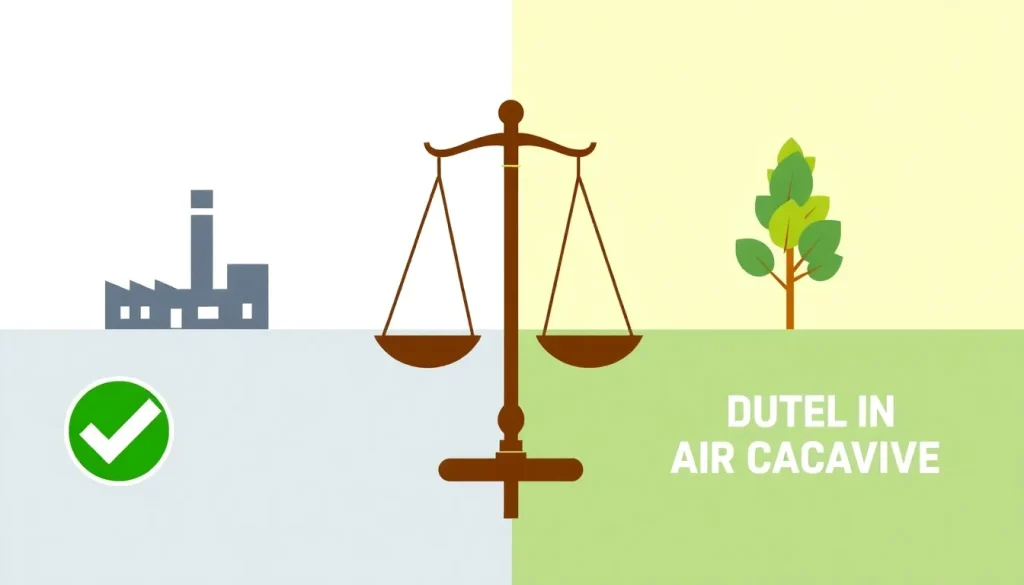
Emissions reduction and carbon removal are not alternatives but complementary components of a climate strategy. The table below summarizes key differences:
| Aspect | Emissions Reduction | Carbon Removal |
|---|---|---|
| Primary goal | Prevent new emissions | Remove existing CO₂ |
| Maturity | Mature for many sectors | Mostly early-stage, except forestry |
| Cost per tonne CO₂ | Often negative to $100+ | $5–$600, depending on method |
| Time to impact | Immediate to years | Years to decades |
| Scalability | High, but faces political/economic limits | Limited by land, energy, cost |
| Permanence | Permanent (avoided emissions) | Varies; some methods reversible |
| Co-benefits | Health, jobs, energy security | Ecosystem services, rural income |
| Risks | Economic disruption, stranded assets | Moral hazard, land competition, high cost |
Other alternatives, such as solar radiation management (geoengineering), are not considered here as they do not address the root cause of CO₂ accumulation and carry different, severe risks.
Case studies
Emissions reduction: Norway’s electric vehicle adoption. Norway has achieved the world’s highest per capita EV ownership through a combination of tax exemptions, toll waivers, and infrastructure investment. By 2022, over 80% of new car sales were electric, contributing to a 15% reduction in transport emissions since 2015. This demonstrates that strong policy can rapidly decarbonize a sector.
Carbon removal: Climeworks’ Orca DAC plant in Iceland. Operational since 2021, Orca captures about 4,000 tonnes of CO₂ per year using geothermal energy and stores it underground in basalt rock. While tiny relative to global emissions, it is the largest DAC facility to date and provides a testbed for scaling. The company aims to reach megatonne-scale removal by 2030, but costs remain high (undisclosed, estimated $600–800/tonne).
Nature-based removal: Brazil’s reforestation efforts. Brazil has implemented large-scale reforestation and avoided deforestation projects under the REDD+ framework. The Amazon Fund, supported by international donors, has helped reduce deforestation rates (though they remain volatile). These projects show the potential of nature-based solutions but also highlight challenges in governance, permanence, and leakage.
Final assessment
The evidence is clear: both emissions reduction and carbon removal are necessary, but they must be pursued in the right order and proportion. Immediate, deep, and sustained emissions cuts are the highest priority—they are more cost-effective, proven, and carry fewer risks. Carbon removal is an essential backstop for hard-to-abate emissions and for drawing down historical CO₂, but it cannot compensate for a failure to reduce emissions at source. Policymakers should focus on deploying all available emissions reduction measures while investing in research, development, and demonstration of carbon removal technologies to bring down costs and ensure they are ready when needed. A balanced portfolio, governed by strong monitoring and safeguards, offers the best chance of limiting warming to safe levels.
FAQ
Is carbon removal a substitute for reducing emissions?
No, carbon removal is not a substitute. Deep and rapid emissions reductions are essential to limit warming, and carbon removal is needed to address residual emissions from hard-to-abate sectors and to draw down historical CO2. Relying on removal instead of cutting emissions would be risky, costly, and could delay necessary action.
Which is more cost-effective: emissions reduction or carbon removal?
Emissions reduction is generally more cost-effective. Many reduction measures, such as energy efficiency and renewable energy, have low or even negative costs. Carbon removal technologies, especially direct air capture, are currently expensive, with costs ranging from $250 to $600 per tonne of CO2, though costs may decline with scale. Afforestation is cheaper but faces permanence risks.
Can carbon removal scale fast enough to meet climate targets?
Current deployment of carbon removal is far below the levels required in most climate scenarios. Scaling up faces significant technical, economic, and land-use challenges. While some methods like afforestation can be expanded relatively quickly, technological solutions like DAC require massive infrastructure and energy inputs. This makes rapid emissions reduction even more critical to avoid over-reliance on uncertain future removal capacity.
References
- IPCC, 2022: Climate Change 2022: Mitigation of Climate Change. Contribution of Working Group III to the Sixth Assessment Report of the Intergovernmental Panel on Climate Change.
- IEA, 2021: Net Zero by 2050: A Roadmap for the Global Energy Sector. International Energy Agency.
- National Academies of Sciences, Engineering, and Medicine, 2019: Negative Emissions Technologies and Reliable Sequestration: A Research Agenda.
- Fuss, S., et al., 2018: Negative emissions—Part 2: Costs, potentials and side effects. Environmental Research Letters, 13, 063002.
- Hanna, R., et al., 2021: Emergency deployment of direct air capture as a response to the climate crisis. Nature Communications, 12, 368.