In brief
At a glance
Quick Facts
- Share of global food emissions from transport
- About 6% of total food system greenhouse gas emissions come from transportation.
- Carbon footprint of beef vs. lentils
- Beef can emit over 50 kg CO₂e per kg, while lentils emit less than 1 kg CO₂e per kg.
- Impact of air freight
- Air-freighted food can have a carbon footprint up to 50 times higher than sea-freighted food, but air freight accounts for a tiny fraction of food by weight.
- Dietary shift potential
- A global shift to plant-based diets could reduce food-related greenhouse gas emissions by up to 70%.
- Food waste contribution
- Food waste is responsible for about 8% of global greenhouse gas emissions.
- Local food definition variability
- There is no universal definition of 'local food'; it can range from within 100 miles to within a state or region.
Key Takeaways
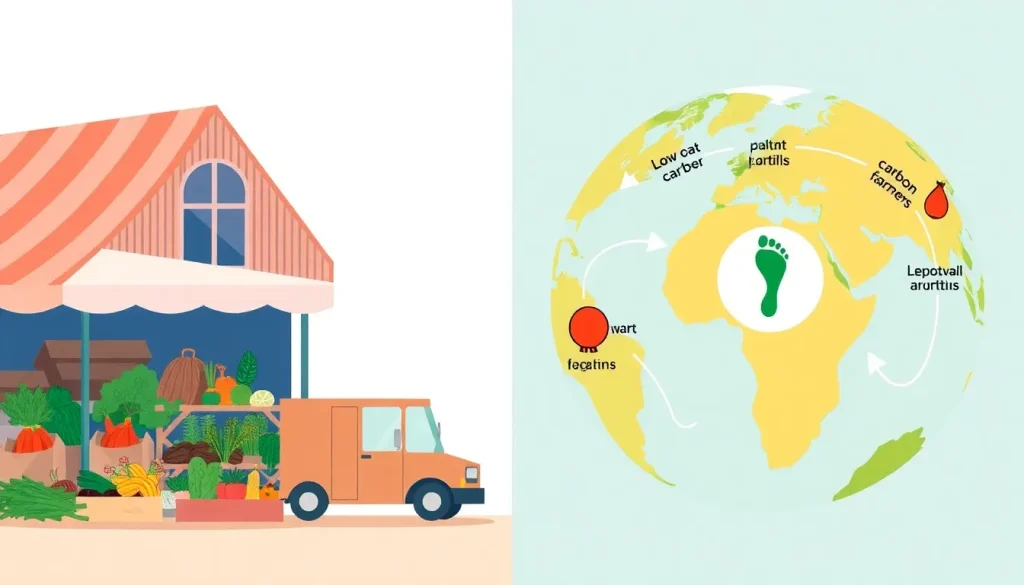
- Local food is defined by geographic proximity, while low-carbon food is defined by its total greenhouse gas emissions across the entire supply chain.
- Transportation is a relatively small contributor to most foods’ carbon footprint; production methods, land use change, and on-farm emissions often dominate.
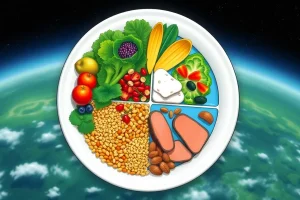
- Choosing low-carbon foods typically means prioritizing plant-based options and reducing food waste, regardless of where the food is produced.
- Local food can offer benefits such as freshness, support for local economies, and seasonal eating, but it is not automatically a climate-friendly choice.
What Is Local Food vs Low-Carbon Food?
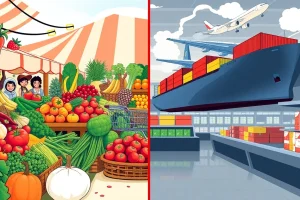
Local food refers to food that is grown, raised, or produced within a relatively short distance from where it is sold and consumed. The exact definition of “local” varies widely—it may mean within a certain radius (e.g., 100 miles), within a state or region, or simply food that is sold directly from farmer to consumer through farmers’ markets or community-supported agriculture. The emphasis is on geographic proximity and often on supporting local economies and reducing the distance food travels from farm to plate.
Low-carbon food, on the other hand, is defined by its total greenhouse gas emissions per unit of food, measured across the entire lifecycle—from land use and farming inputs to processing, packaging, transportation, retail, and disposal. The carbon footprint of food is typically expressed in kilograms of carbon dioxide equivalent (CO₂e) per kilogram of food. Low-carbon foods are those that generate relatively few emissions, such as many plant-based foods, while high-carbon foods include most animal products, especially beef and lamb. The concept of low-carbon food is rooted in climate science and aims to reduce the overall contribution of the food system to global warming.
How It Works
The carbon footprint of food is determined by a life cycle assessment (LCA) that accounts for all greenhouse gas emissions associated with its production, transport, storage, and preparation. For most foods, the production phase—including land use change, fertilizer application, enteric fermentation in livestock, and energy use on farms—dominates the total emissions. Transportation, often referred to as “food miles,” typically accounts for a small fraction of the total, especially for foods that are not air-freighted. For example, shipping food by sea or rail has a relatively low carbon cost per ton-mile, while air freight is far more carbon-intensive but is used for only a small percentage of food by weight, primarily highly perishable items.
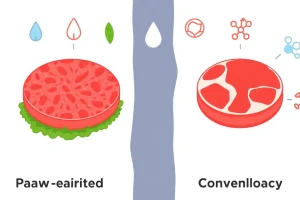
When comparing local and low-carbon food, the key insight is that the mode of transport and the production system matter more than distance alone. A locally grown tomato in a heated greenhouse may have a higher carbon footprint than a field-grown tomato shipped from a warmer climate, because the energy used to heat the greenhouse can outweigh the transport emissions. Similarly, grass-fed beef from a local farm still has a high carbon footprint due to methane emissions from cattle, whereas plant-based proteins from farther away can have a much lower overall footprint. Thus, a low-carbon diet focuses on food types and production methods rather than on proximity.
What the Evidence Shows
Numerous studies have analyzed the relative importance of food miles versus production emissions. Research consistently shows that transportation accounts for only a small share of total food-related greenhouse gas emissions—often less than 10% for most food products. The majority of emissions come from land use change, farming practices, and, in the case of animal products, feed production and enteric fermentation. For instance, beef production can emit over 50 kg of CO₂e per kilogram of beef, with transport contributing only a fraction of that total. In contrast, plant-based foods like lentils or wheat typically emit less than 2 kg CO₂e per kilogram, even when transported long distances.
Life cycle analyses also reveal that what you eat is far more important than where it comes from. A comprehensive meta-analysis published in the journal Science found that shifting to a plant-based diet can reduce an individual’s food-related carbon footprint by up to 73%, while eating locally has a much smaller effect. The evidence underscores that while reducing food miles can be beneficial in some contexts, it is not a reliable proxy for low-carbon eating.
Benefits, Limitations and Trade-offs
Local food systems offer several benefits beyond carbon emissions. They can support local farmers and economies, preserve farmland, provide fresher and often more nutritious produce, and foster community connections. Seasonal eating, which is often tied to local food, can also reduce the need for energy-intensive storage and long-distance transport. However, local food is not inherently low-carbon. For example, locally produced beef or dairy still carries a high carbon footprint, and out-of-season local produce may require heated greenhouses, which can be more carbon-intensive than importing from regions with natural growing conditions.
Low-carbon food choices, on the other hand, directly target climate impact but may not always align with other values such as supporting local agriculture or preserving traditional foodways. A diet rich in imported plant-based foods can be low-carbon but may not provide the same economic benefits to local communities. There is also a trade-off in terms of freshness and taste: some foods that travel long distances are picked before ripeness and may lose flavor or nutrients. The optimal choice often involves balancing carbon footprint with other sustainability and personal values.
Common Misconceptions
A widespread misconception is that “food miles” are the primary determinant of a food’s environmental impact. This belief has led many consumers to equate local with low-carbon. However, as life cycle assessments show, transport emissions are a small part of the total for most foods. Another misconception is that all imported food has a high carbon footprint. In reality, food transported by ship or rail can have a relatively low carbon cost, and some imported foods (like tropical fruits) may be produced with fewer inputs than local alternatives grown in energy-intensive conditions.
There is also a tendency to overlook the carbon footprint of food waste. Whether food is local or imported, if it is wasted, all the emissions associated with its production and transport are incurred without any nutritional benefit. Reducing food waste is one of the most effective ways to lower the carbon footprint of one’s diet, regardless of where the food comes from.
What Individuals Can Do
To reduce the carbon footprint of their diet, individuals can prioritize plant-based foods, especially those with the lowest emissions such as legumes, grains, and seasonal vegetables. Reducing consumption of red meat and dairy is one of the most impactful dietary changes. When choosing animal products, opting for those with lower carbon footprints—such as poultry, eggs, or sustainably sourced fish—can also make a difference.
Individuals can also minimize food waste by planning meals, storing food properly, and using leftovers. Supporting local food systems can be complementary: buying local, seasonal produce that is grown outdoors or with minimal energy inputs can combine the benefits of freshness and low carbon. However, the primary focus should be on the type of food and how it is produced, rather than solely on its origin. Being informed about the carbon footprint of different foods and making choices accordingly is the most effective way to align personal eating habits with climate goals.
FAQ
What is the difference between local food and low-carbon food?
Local food is defined by geographic proximity, while low-carbon food is defined by its total greenhouse gas emissions across the entire supply chain. A food can be local but high-carbon, or low-carbon but not local.
Are food miles a good indicator of a food's carbon footprint?
No. For most foods, production emissions far outweigh transport emissions. What you eat is generally more important than how far it has traveled.
How can I reduce the carbon footprint of my diet?
Prioritize plant-based foods, reduce red meat and dairy consumption, minimize food waste, and choose seasonal produce. When possible, support local producers who use low-carbon farming methods.
References
- IPCC Special Report on Climate Change and Land (2019), Chapter 5: Food Security.
- Poore, J., & Nemecek, T. (2018). Reducing food's environmental impacts through producers and consumers. Science, 360(6392), 987-992.
- FAO. (2011). Global food losses and food waste – Extent, causes and prevention. Rome.