In brief
At a glance
Quick Facts
- Definition
- The ability of a substance to remain in the environment without significant degradation.
- Key metric
- Half-life (time for 50% of the substance to degrade).
- Main degradation pathways
- Biodegradation, hydrolysis, photolysis, oxidation.
- Regulatory threshold (EU REACH)
- Persistent if half-life >60 days in water, >180 days in soil or sediment.
- Notable persistent chemicals
- DDT, PCBs, PFAS, dioxins, heavy metals.
- Global treaty
- Stockholm Convention on Persistent Organic Pollutants (POPs).
- Environmental concern
- Long-range transport, bioaccumulation, and chronic toxicity.
- Common name for PFAS
- "Forever chemicals" due to extreme persistence.
Key Takeaways
- Environmental persistence describes how long a substance remains in air, water, soil, or sediment before breaking down.
- Persistence is determined by a substance’s resistance to natural degradation processes such as biodegradation, hydrolysis, and photolysis.
- Highly persistent chemicals can travel far from their source, accumulate in organisms, and cause long-term ecological and health risks.
- Understanding persistence is essential for chemical regulation, pollution prevention, and designing safer materials.
What Is Environmental Persistence?
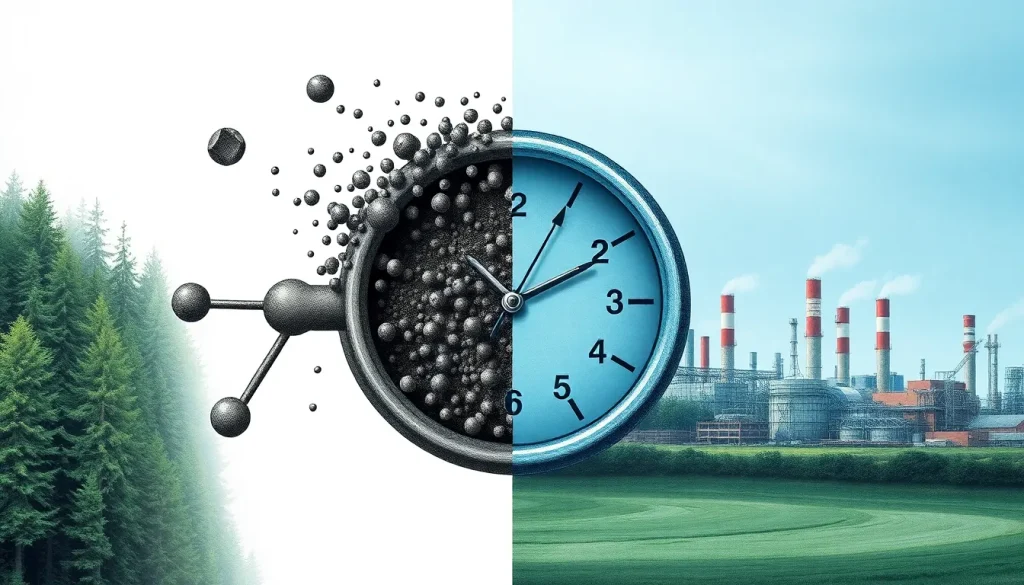
Environmental persistence is the capacity of a chemical substance to remain intact in the environment without undergoing significant physical, chemical, or biological degradation. In simpler terms, it is a measure of how long a compound “sticks around” once it is released into air, water, soil, or sediment. Persistence is typically expressed as a half‑life—the time required for half of the substance to break down—and can range from hours to centuries depending on the chemical’s structure and the environmental conditions.
Persistence is a key concept in environmental chemistry and toxicology because it directly influences a substance’s potential to cause harm. A highly persistent chemical can travel far from its original source, spread across different environmental compartments, and build up in living organisms over time. This property is one of the core criteria used in frameworks such as the Stockholm Convention on Persistent Organic Pollutants (POPs) to identify and regulate chemicals that pose global threats. Understanding persistence helps scientists, regulators, and industry assess the long‑term fate of chemicals and develop strategies to minimize their adverse effects.
How It Works
Environmental persistence is governed by the balance between the rate at which a substance is introduced into the environment and the rate at which it is removed or transformed. The primary removal processes are degradation mechanisms that break the chemical down into simpler, often less harmful, molecules. The most important degradation pathways include:
- Biodegradation: Microorganisms such as bacteria and fungi metabolize the chemical, using it as a source of carbon or energy. The efficiency of biodegradation depends on the chemical’s molecular structure, the presence of suitable microbes, and environmental conditions like temperature, oxygen availability, and nutrient levels.
- Hydrolysis: The chemical reacts with water, breaking bonds and forming new compounds. Hydrolysis rates are influenced by pH, temperature, and the presence of catalysts.
- Photolysis: Sunlight, particularly ultraviolet radiation, provides the energy to break chemical bonds. Photolysis occurs mainly in the atmosphere and in surface waters, and its effectiveness depends on the chemical’s ability to absorb light and the intensity of solar radiation.
- Oxidation and reduction: Reactions with naturally occurring oxidants (e.g., hydroxyl radicals in the atmosphere) or reductants can transform the chemical. These processes are often mediated by light or microbial activity.
A substance is considered persistent if it resists all these degradation pathways under typical environmental conditions. For example, many organochlorine pesticides have strong carbon‑chlorine bonds that are not easily broken by enzymes or sunlight, leading to half‑lives of years or decades in soil and sediment. In contrast, a readily biodegradable compound like ethanol will be consumed by microbes within days.
Importance and Impact
Environmental persistence is a critical factor in determining the overall risk posed by a chemical. A substance that degrades quickly may cause acute toxicity if released in large amounts, but its effects are usually localized and short‑lived. Persistent chemicals, however, can cause chronic, widespread, and long‑term problems. Their importance is recognized in several key areas:
- Long‑range transport: Persistent chemicals can travel thousands of kilometers via wind and ocean currents, contaminating regions far from their original source. This phenomenon explains why POPs are found in Arctic ecosystems, where they have never been used.
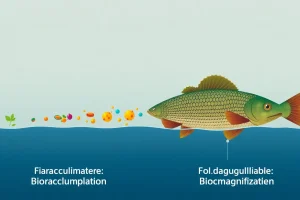
- Bioaccumulation and biomagnification: Many persistent substances are also lipophilic (fat‑soluble), allowing them to accumulate in the fatty tissues of organisms. As these chemicals move up the food chain, concentrations can increase dramatically, posing the greatest risk to top predators, including humans.
- Regulatory thresholds: Persistence is a key criterion in national and international chemical regulations. For example, under the European Union’s REACH regulation, a substance is considered persistent (P) if its half‑life in water exceeds 60 days, in soil exceeds 180 days, or in sediment exceeds 180 days. Very persistent (vP) substances have even longer half‑lives.
- Legacy contamination: Even after a chemical is banned or phased out, its persistence means that it can remain in the environment for decades, continuing to expose wildlife and humans. Cleanup of persistent pollutants is often technically difficult and expensive.
Main Causes or Drivers of Persistence
The persistence of a chemical is not a single property but the result of its molecular structure and the environmental conditions it encounters. Key drivers include:
- Chemical structure: Strong bonds, such as carbon‑fluorine or carbon‑chlorine bonds, are highly resistant to degradation. Highly branched or aromatic structures can also hinder microbial enzymes from breaking the molecule apart. For instance, the stability of polychlorinated biphenyls (PCBs) arises from their multiple chlorine atoms attached to biphenyl rings.
- Lack of functional groups: Chemicals that lack reactive functional groups (e.g., hydroxyl, carboxyl, or amine groups) are less susceptible to hydrolysis, oxidation, or enzymatic attack. Saturated hydrocarbons, for example, are generally more persistent than their unsaturated counterparts.
- Environmental conditions: Low temperatures, limited sunlight, low microbial activity, and anaerobic conditions slow degradation. This is why persistent chemicals tend to accumulate in cold regions, deep ocean sediments, and groundwater aquifers.
- Sorption to particles: When a chemical binds strongly to soil or sediment particles, it becomes less available for microbial degradation or photolysis, effectively increasing its persistence. This is common for hydrophobic compounds like polycyclic aromatic hydrocarbons (PAHs).
- Absence of degradation pathways: Some synthetic chemicals are so novel that natural enzymes and abiotic processes have not evolved to break them down efficiently. This is often the case with highly fluorinated compounds used in non‑stick coatings and firefighting foams.
Environmental and Human Impacts
The persistence of a chemical amplifies its potential to cause harm across ecosystems and human populations. Key impacts include:
- Ecosystem disruption: Persistent toxic substances can reduce biodiversity, impair reproduction in wildlife, and alter food‑web dynamics. For example, DDT—a persistent insecticide—caused eggshell thinning in birds of prey, leading to severe population declines before it was widely banned.
- Human health effects: Chronic exposure to persistent organic pollutants (POPs) has been linked to cancer, endocrine disruption, immune system suppression, reproductive disorders, and neurodevelopmental deficits. These effects can occur at very low exposure levels over long periods.
- Contamination of food and water: Persistent chemicals can leach into groundwater or be taken up by crops, entering the human food supply. Bioaccumulative substances concentrate in fish, meat, and dairy products, making diet a major exposure route for many POPs.
- Economic costs: Remediation of contaminated sites, loss of fisheries, and healthcare costs associated with exposure to persistent pollutants impose significant economic burdens on communities and governments.
Examples
Several well‑known classes of chemicals illustrate the concept of environmental persistence:
- DDT (dichlorodiphenyltrichloroethane): An organochlorine insecticide with a half‑life in soil of up to 15 years. Although banned in many countries since the 1970s, DDT and its breakdown products are still detected in environmental samples and human tissues worldwide.
- PCBs (polychlorinated biphenyls): Used in electrical equipment and other industrial applications, PCBs are extremely persistent, with half‑lives in soil and sediment ranging from years to decades. They are classic examples of persistent organic pollutants (POPs) and are regulated under the Stockholm Convention.
- PFAS (per‑ and polyfluoroalkyl substances): Often called “forever chemicals,” PFAS contain strong carbon‑fluorine bonds that resist degradation. They are used in non‑stick cookware, waterproof clothing, and firefighting foams. PFAS have been found in drinking water, wildlife, and human blood globally, and some have half‑lives in humans of several years.
- Heavy metals: While not organic, metals like lead, mercury, and cadmium are persistent because they do not degrade into simpler substances. They can remain in soils and sediments indefinitely, cycling through ecosystems and accumulating in organisms.
- Pharmaceuticals: Some human and veterinary drugs are designed to be stable in the body, which also makes them persistent in the environment. For example, certain antibiotics and hormones can survive wastewater treatment and persist in rivers and lakes, affecting aquatic life.
Solutions
Addressing environmental persistence requires a combination of preventive and remedial strategies:
- Green chemistry and design for degradation: Chemists and engineers can design substances that break down more readily after use. This includes incorporating functional groups that are susceptible to hydrolysis, photolysis, or biodegradation, and avoiding highly stable bonds such as carbon‑fluorine where possible.
- Regulatory action: International agreements like the Stockholm Convention identify and restrict or eliminate the production and use of persistent organic pollutants. National regulations, such as the EU’s REACH and the U.S. Toxic Substances Control Act, require persistence assessments for new and existing chemicals.
- Wastewater and drinking water treatment: Advanced treatment technologies, including activated carbon filtration, ozonation, and reverse osmosis, can remove many persistent chemicals from water. Upgrading treatment plants helps reduce the release of these substances into the environment.
- Remediation of contaminated sites: Techniques such as bioremediation (using microbes to degrade pollutants), phytoremediation (using plants), and chemical oxidation can clean up persistent contaminants in soil and groundwater, though these methods are often slow and costly.
- Monitoring and research: Ongoing environmental monitoring programs track the levels and trends of persistent chemicals, providing data to inform policy and identify emerging contaminants. Research into degradation pathways and safer alternatives is essential for long‑term solutions.
Common Misconceptions
Several misunderstandings surround the concept of environmental persistence:
- “Persistence means a chemical never breaks down.” In reality, all chemicals eventually degrade, but the timescale can be so long that they are effectively permanent on a human timescale. Even the most persistent compounds have a half‑life, though it may be centuries.
- “Natural chemicals are always less persistent than synthetic ones.” Some natural substances, such as certain toxins produced by fungi or plants, can be highly persistent. Conversely, many synthetic chemicals are designed to degrade quickly. Persistence depends on molecular structure, not origin.
- “If a chemical is persistent, it is automatically toxic.” Persistence and toxicity are separate properties. A substance can be persistent but relatively non‑toxic, or highly toxic but rapidly degraded. However, persistence increases the potential for exposure and long‑term effects, which is why it is a key concern in risk assessment.
- “Biodegradable means the same as non‑persistent.” Biodegradability is one degradation pathway, but a chemical might be persistent because it resists biodegradation yet still break down via photolysis or hydrolysis. A comprehensive persistence assessment considers all relevant pathways.
FAQ
What is environmental persistence?
Environmental persistence is the ability of a chemical substance to remain in the environment without breaking down significantly. It is usually measured by the substance's half-life in air, water, soil, or sediment.
How does environmental persistence affect ecosystems?
Persistent chemicals can travel long distances, accumulate in the food chain, and cause chronic toxicity in wildlife. They can disrupt reproduction, reduce biodiversity, and remain in ecosystems for decades after their release.
Why does environmental persistence matter for human health?
Persistent substances can enter the human body through food, water, and air, and may accumulate over time. Long-term exposure to certain persistent chemicals has been linked to cancer, hormonal disruption, immune system effects, and developmental problems.
References
- Stockholm Convention on Persistent Organic Pollutants (POPs). United Nations Environment Programme. http://www.pops.int
- European Chemicals Agency (ECHA). Guidance on Information Requirements and Chemical Safety Assessment: Chapter R.11: PBT/vPvB Assessment. https://echa.europa.eu/guidance-documents/guidance-on-information-requirements-and-chemical-safety-assessment
- Mackay, D., Shiu, W. Y., & Ma, K. C. (2006). Illustrated Handbook of Physical-Chemical Properties and Environmental Fate for Organic Chemicals. CRC Press.