In brief
At a glance
Quick Facts
- Primary source
- Abrasion between tires and road surfaces during driving.
- Particle composition
- Synthetic rubber, natural rubber, carbon black, silica, oils, and chemical additives.
- Size range
- From visible crumbs (>1 mm) to ultrafine particles (<100 nm).
- Contribution to ocean microplastics
- Estimated up to 28% of primary microplastics entering oceans (IUCN, 2017).
- Key toxic chemical
- 6PPD-quinone, a transformation product of tire antioxidant, lethal to coho salmon.
- Air pollution category
- Contributes to PM2.5 and PM10, linked to respiratory and cardiovascular diseases.
- Regulatory status
- Not directly regulated in most countries, unlike tailpipe emissions.
- Influencing factors
- Driving style, tire composition, road surface, vehicle weight, and climate.
Key Takeaways
- Tire-wear pollution is the release of tiny synthetic particles and chemicals from tires as they abrade against road surfaces during driving.
- It is a leading source of microplastic pollution, contributing to airborne particulate matter and contaminating water and soil.
- These particles contain toxic substances, including heavy metals and 6PPD-quinone, which can harm aquatic life and potentially affect human health.
- Reducing tire-wear pollution requires a combination of better tire design, improved road surfaces, vehicle weight reduction, and effective stormwater management.
What Is Tire-Wear Pollution?
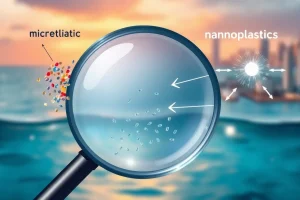
Tire-wear pollution refers to the microscopic particles and chemical compounds released into the environment as vehicle tires wear down during normal use. Every time a vehicle accelerates, brakes, or corners, friction between the tire and the road surface causes tiny fragments to break off. These fragments, often called tire and road wear particles (TRWP), are a complex mixture of synthetic and natural rubber, fillers like carbon black and silica, oils, and various chemical additives used in tire manufacturing. While the visible dust from tire wear is familiar, the invisible micro- and nano-sized particles are of growing concern because they can become airborne or wash into waterways, contributing to both air and water pollution. Tire-wear pollution is now recognized as one of the largest sources of microplastic pollution globally, yet it has historically received less attention than other vehicle emissions.
Unlike tailpipe emissions, which have been reduced through stricter regulations, tire wear is an inherent consequence of driving that cannot be eliminated by switching to electric or alternative-fuel vehicles. In fact, heavier electric vehicles may produce more tire-wear particles due to their increased weight and torque. The particles are a form of non-exhaust emissions, which also include brake wear and road surface abrasion. As the world transitions to electric mobility, understanding and mitigating tire-wear pollution becomes increasingly important to address the full environmental footprint of transportation.
How It Works
Tire wear occurs through a combination of abrasion, heat, and chemical degradation. As a tire rolls, the tread continuously deforms and recovers, generating friction and heat. This mechanical stress causes small particles to detach from the tire surface, while the road surface itself may also be abraded, contributing mineral particles. The size of these particles ranges from visible rubber crumbs to ultrafine particles smaller than 100 nanometers. The rate of wear depends on several factors: driving style (aggressive acceleration and braking increase wear), tire composition and design, road surface type and roughness, vehicle weight, speed, and climate conditions such as temperature and humidity.
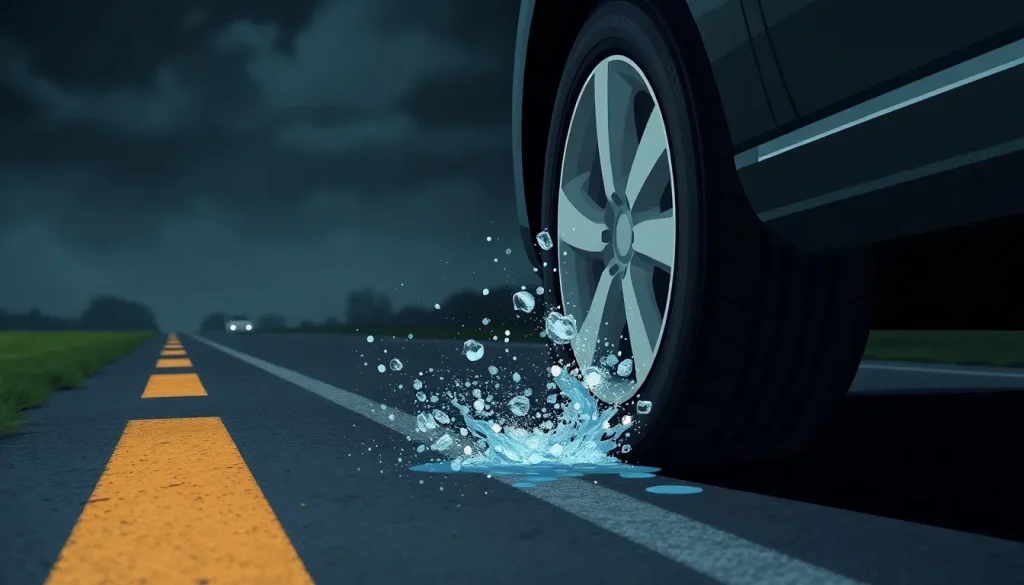
Once released, the particles follow multiple environmental pathways. Airborne particles become part of road dust and can be resuspended by traffic, contributing to particulate matter (PM) pollution. Larger particles settle on the road or nearby land, while smaller ones can travel long distances. Rain and stormwater wash particles into drains, eventually reaching rivers, lakes, and oceans. A portion remains on the road surface, where it is further ground down by ongoing traffic. The chemical additives in tires, such as antioxidants and plasticizers, can leach out over time, creating additional pollution.
Environmental and Human Impacts
Tire-wear particles are a major component of microplastic pollution in the environment. Studies have found that a significant fraction of microplastics in oceans and freshwater systems originate from tire wear, often transported via road runoff and atmospheric deposition. These particles contain a cocktail of chemicals, including polycyclic aromatic hydrocarbons (PAHs), heavy metals like zinc and lead, and vulcanization agents, some of which are toxic to aquatic life. A notable example is 6PPD-quinone, a transformation product of the tire antioxidant 6PPD, which has been linked to acute mortality in coho salmon in urban streams. This discovery highlighted the direct ecological harm that tire leachate can cause.
Airborne tire particles contribute to PM2.5 and PM10 pollution, which are associated with respiratory and cardiovascular diseases in humans. The small size of these particles allows them to penetrate deep into the lungs and even enter the bloodstream. While the long-term health effects of inhaling tire-derived microplastics are still being studied, their chemical composition raises concerns about inflammation, oxidative stress, and potential carcinogenicity. Additionally, tire-wear particles can accumulate in soil, affecting terrestrial ecosystems and potentially entering the food chain.
What the Evidence Shows
Research has demonstrated that tire wear is a substantial contributor to microplastic pollution. A 2017 report by the International Union for Conservation of Nature (IUCN) estimated that tire wear accounts for up to 28% of primary microplastics released into the oceans. In urban areas, tire and road wear particles can make up a large proportion of airborne particulate matter near busy roads. Chemical markers such as benzothiazoles and 6PPD-quinone are used to trace tire particles in environmental samples, confirming their widespread distribution in sediments, water, and air.
Ecotoxicological studies have shown that tire leachate can be toxic to a range of aquatic organisms, including fish, crustaceans, and algae. The effects on terrestrial ecosystems are an emerging area of research, with evidence that earthworms and other soil organisms can be affected. While data on human health impacts are limited, occupational studies of workers in tire manufacturing and road construction suggest potential respiratory risks. The evidence base is growing, but significant gaps remain in understanding the full lifecycle and long-term effects of tire-wear particles.
Solutions
Addressing tire-wear pollution requires a multi-faceted approach involving manufacturers, drivers, road designers, and policymakers. On the vehicle side, tire manufacturers can develop longer-lasting tires with reduced abrasion rates and less toxic chemical formulations. Research into alternative materials, such as natural rubber composites or silica-based fillers, may reduce the environmental impact. Drivers can adopt smoother driving habits, maintain proper tire pressure, and choose tires with lower wear ratings. Regular tire rotation and alignment also help minimize uneven wear.
Road design and infrastructure play a crucial role. Permeable pavements and improved stormwater management systems can capture particles before they enter waterways. Filtration systems in vehicles and roadside barriers are being explored as technological solutions. Regulatory measures, such as setting standards for tire abrasion rates and chemical content, could drive industry-wide improvements. Public awareness campaigns and further research into the environmental fate and health effects of tire particles are essential to inform effective policy and encourage behavioral change.
Common Misconceptions
One common misconception is that tire-wear pollution is negligible compared to exhaust emissions. While modern vehicles have significantly reduced tailpipe emissions, tire wear is a non-exhaust source that increases with vehicle weight and mileage, and it is not regulated in the same way. Another misconception is that tire particles are inert and harmless because they are made of rubber. In reality, they contain a complex mixture of chemicals that can leach into the environment and cause harm. Finally, some believe that tire wear only affects air quality, but it is a major source of microplastic pollution in water bodies as well, with particles traveling far from roads via runoff and atmospheric transport.
FAQ
What is tire-wear pollution?
Tire-wear pollution is the release of tiny particles from vehicle tires as they wear down on roads. These particles contain rubber and chemicals, contributing to microplastic pollution in air, water, and soil.
How does tire-wear pollution affect the environment?
It contaminates water bodies with microplastics and toxic chemicals, harming aquatic life. Airborne particles contribute to particulate matter pollution, and soil accumulation can affect terrestrial ecosystems.
Why does tire-wear pollution matter?
It is a major and growing source of microplastic pollution that is not reduced by switching to electric vehicles. Its chemical toxicity and widespread distribution pose risks to ecosystems and potentially human health, requiring new regulations and solutions.
References
- International Union for Conservation of Nature (IUCN). (2017). Primary Microplastics in the Oceans: A Global Evaluation of Sources.
- United States Environmental Protection Agency (EPA). Non-Exhaust Emissions from Vehicles.
- Tian, Z., et al. (2021). A ubiquitous tire rubber–derived chemical induces acute mortality in coho salmon. Science, 371(6525), 185-189.