What Counts as a Novel Entity?
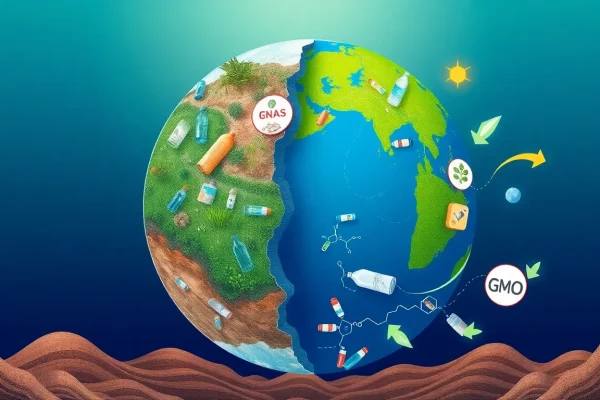
A novel entity is a new substance, a new form of an existing substance, or a modified life form introduced by human activities that…
Evidence library
Research, explainers and solution analysis for understanding change across a living planet.
416 resourcesA novel entity is a new substance, a new form of an existing substance, or a modified life form introduced by human activities that…
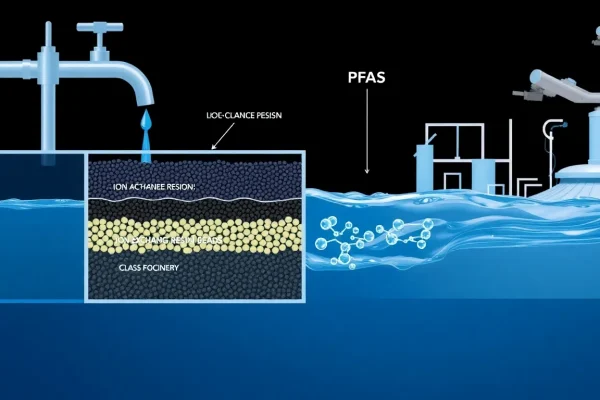
Yes, PFAS can be removed from drinking water using advanced treatment technologies such as granular activated carbon, ion exchange resins, and reverse osmosis. These…
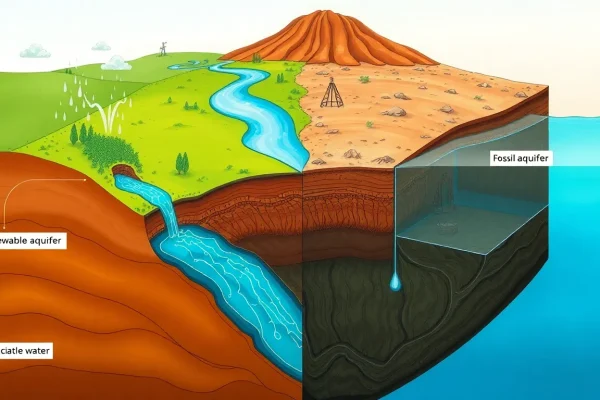
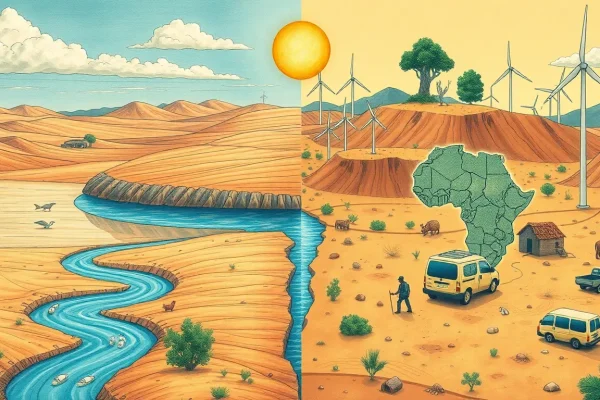
Renewable groundwater is replenished on a human timescale through precipitation and surface water infiltration, while non-renewable (fossil) groundwater was recharged thousands to millions of…
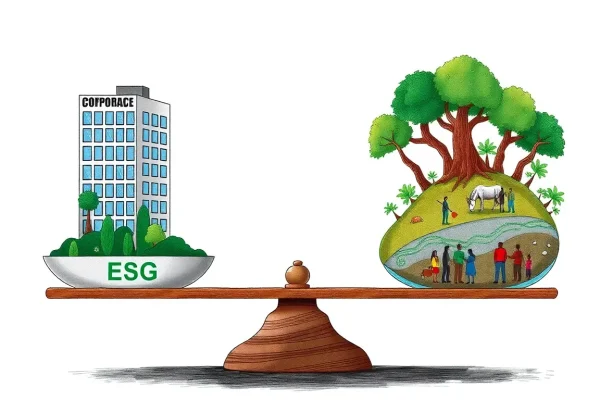
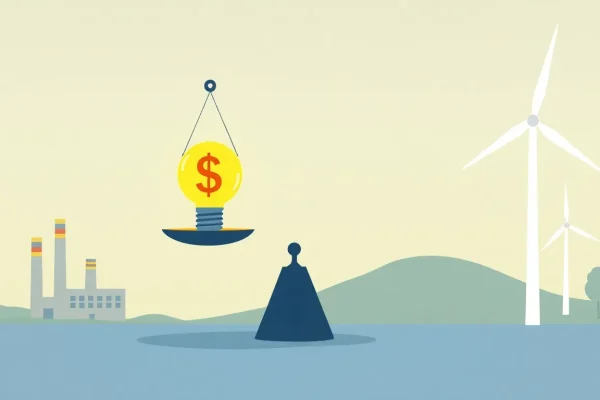
ESG (Environmental, Social, and Governance) refers to a set of criteria used by investors to evaluate a company’s operations and risk exposure, while sustainability…
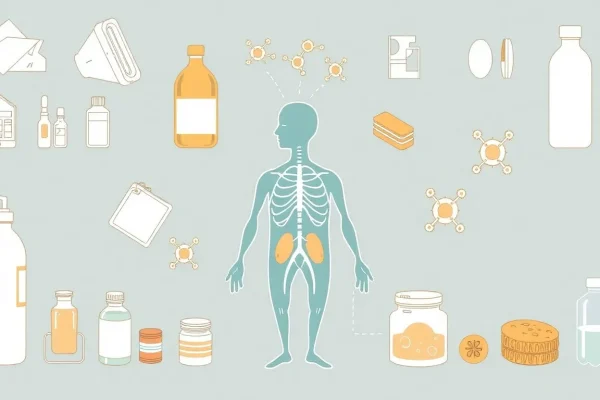
Endocrine-disrupting chemicals (EDCs) are substances that interfere with the body's hormonal systems, potentially causing adverse health effects. Found in many everyday products, they can…
Energy intensity is a measure of the energy required to produce one unit of economic output, typically expressed as energy consumption per unit of…
Energy transition minerals such as lithium, cobalt, and rare earths are essential for clean energy technologies, but their extraction and processing carry significant environmental…
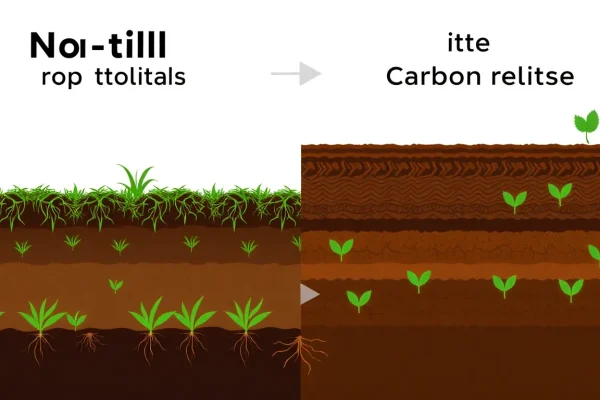
No-till farming reduces soil disturbance, which can increase soil organic carbon in surface layers compared to conventional tillage. However, the net effect on total…
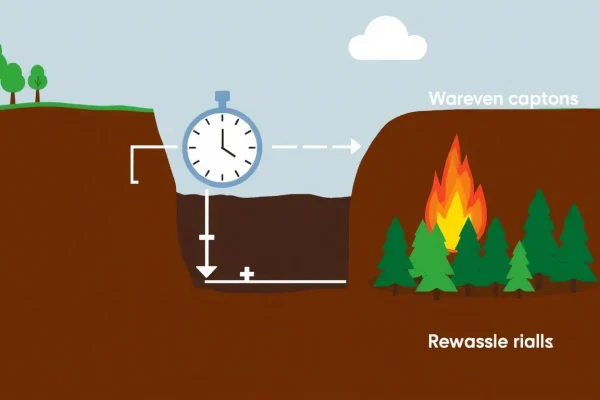
Carbon removal permanence refers to the duration that removed CO2 remains out of the atmosphere. It is a critical factor in evaluating carbon removal…
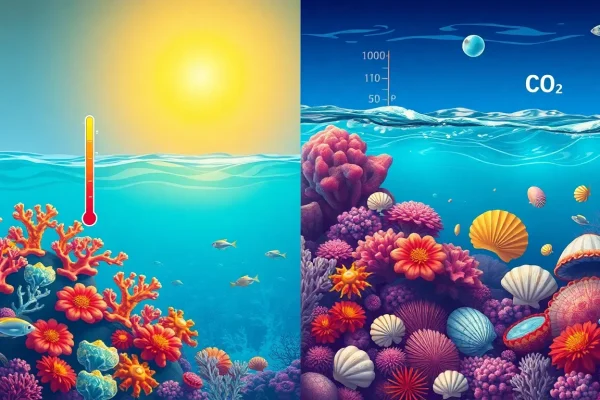
Ocean acidification and ocean warming are two distinct but interconnected consequences of rising atmospheric carbon dioxide. Acidification refers to the ongoing decrease in seawater…