The Essential-Use Concept for Harmful Chemicals: A Framework for Safer Substitution
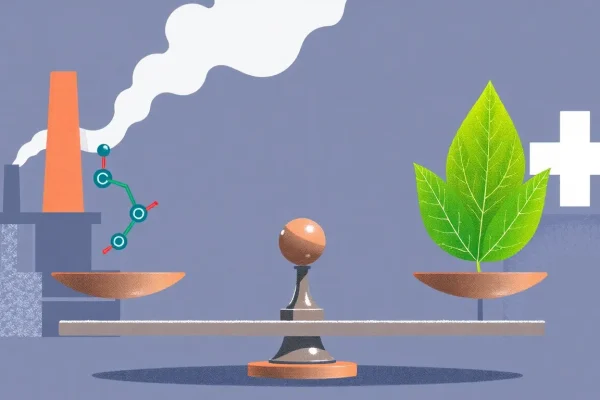
The essential-use concept is a policy framework that restricts the use of harmful chemicals to only those applications deemed necessary for health, safety, or…
Evidence library
Research, explainers and solution analysis for understanding change across a living planet.
474 resourcesThe essential-use concept is a policy framework that restricts the use of harmful chemicals to only those applications deemed necessary for health, safety, or…
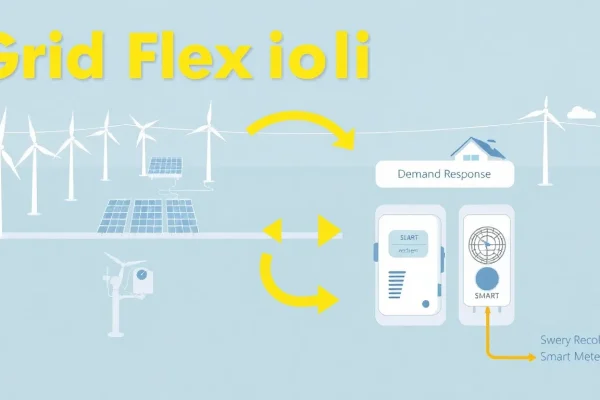
Grid flexibility is the ability of an electricity system to maintain reliable service by adjusting supply and demand in response to changes, such as…
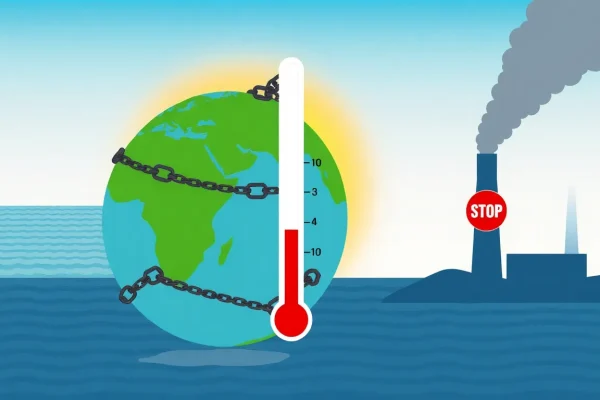
Committed warming refers to the future increase in global average temperature that is already unavoidable due to past greenhouse gas emissions, even if all…
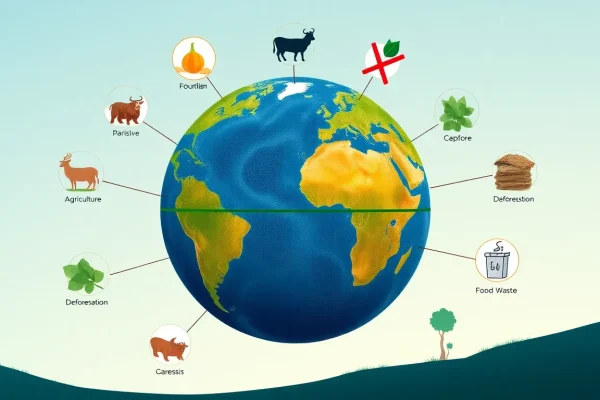
Food systems are a primary driver of Earth system change, pushing humanity beyond several planetary boundaries—the safe limits for human development. Agriculture, livestock, fisheries,…
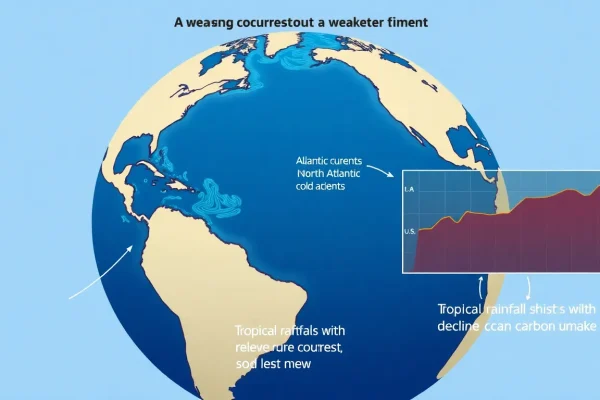
A weaker Atlantic Meridional Overturning Circulation (AMOC) would disrupt global climate patterns, leading to cooler temperatures in the North Atlantic region, rising sea levels…
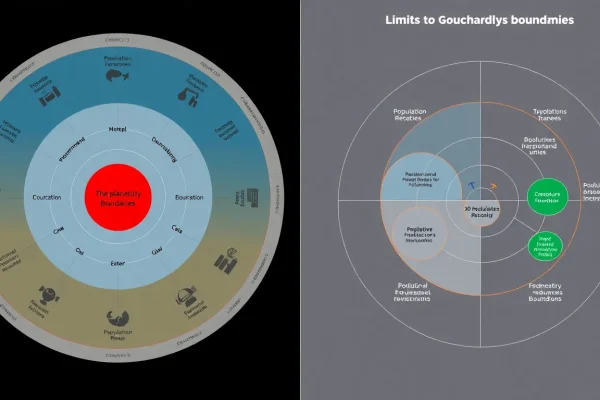
The planetary boundaries framework defines a safe operating space for humanity based on nine Earth-system processes, while the Limits to Growth study used system…
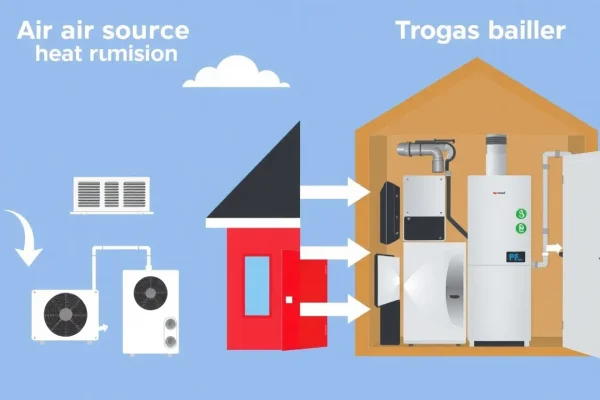
A neutral, evidence-grounded comparison of heat pumps and gas boilers for home heating, examining efficiency, costs, environmental impact, and practical considerations. Heat pumps offer…
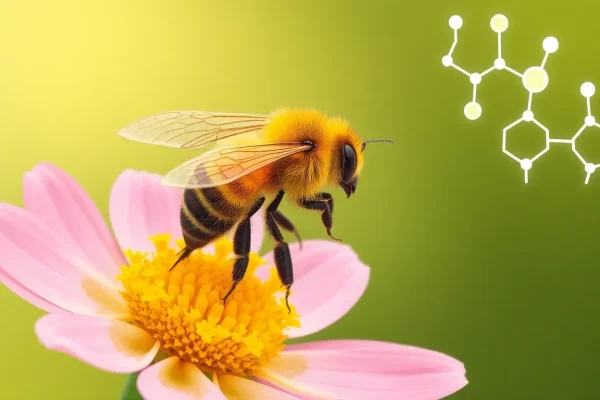
Neonicotinoids are a class of systemic insecticides that are absorbed by plants and can contaminate pollen and nectar, posing risks to bees and other…
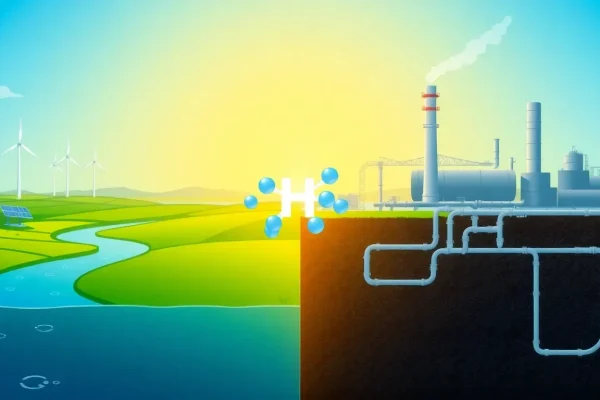
Green hydrogen is produced by splitting water using renewable electricity, emitting no carbon dioxide. Blue hydrogen is made from natural gas with carbon capture…
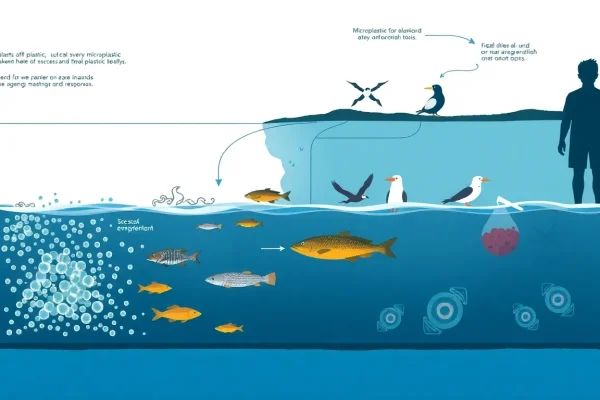
Microplastics—tiny plastic particles less than 5 mm in size—enter food webs when they are ingested by organisms at the base of the food chain,…