Ocean Heat Content vs Sea-Surface Temperature: Understanding the Difference
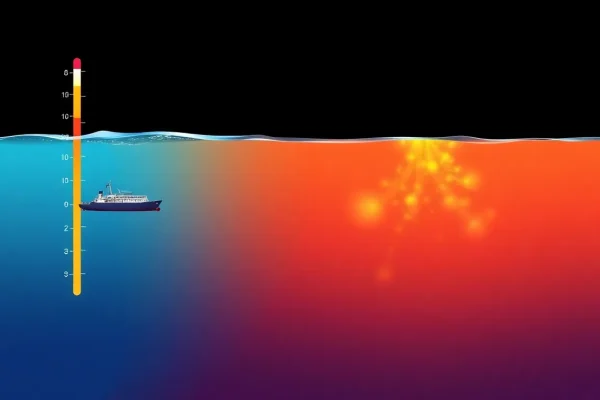
Ocean heat content (OHC) measures the total thermal energy stored in the ocean, while sea-surface temperature (SST) is the temperature of the ocean's surface…
Topic archive
Role of seas in heat transport, carbon storage, and climate regulation.
Ocean heat content (OHC) measures the total thermal energy stored in the ocean, while sea-surface temperature (SST) is the temperature of the ocean's surface…
Marine heatwaves—prolonged periods of unusually warm ocean temperatures—are increasing in frequency, intensity, and duration due to human-caused climate change. These events disrupt marine ecosystems,…
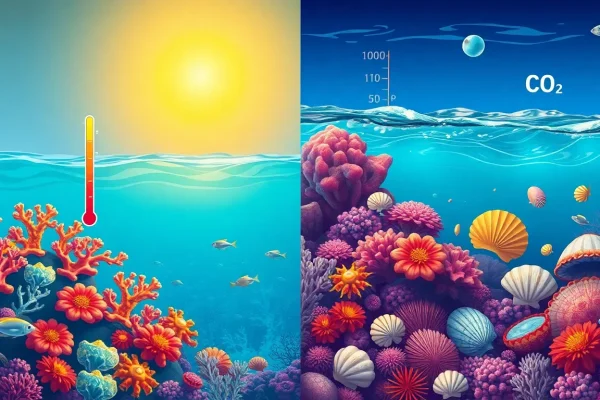
Ocean acidification and ocean warming are two distinct but interconnected consequences of rising atmospheric carbon dioxide. Acidification refers to the ongoing decrease in seawater…
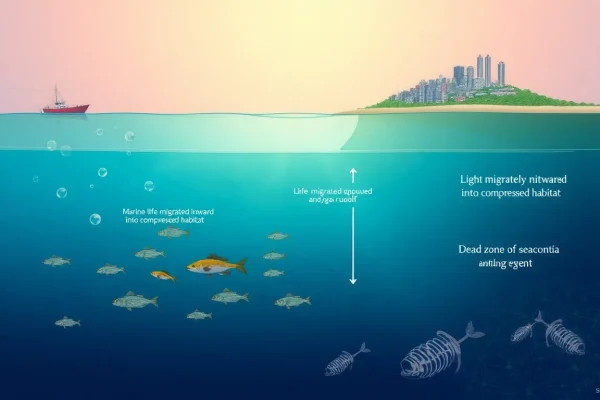
Coastal dead zones are areas of water with extremely low oxygen levels (hypoxia) caused by excessive nutrient pollution, primarily nitrogen and phosphorus from human…
Hypoxia and anoxia are conditions of low and zero dissolved oxygen, respectively, in water bodies. They occur when oxygen consumption by biological and chemical…
Ocean deoxygenation is the decline in dissolved oxygen levels in the world's oceans, driven primarily by rising water temperatures and nutrient pollution. Warmer water…
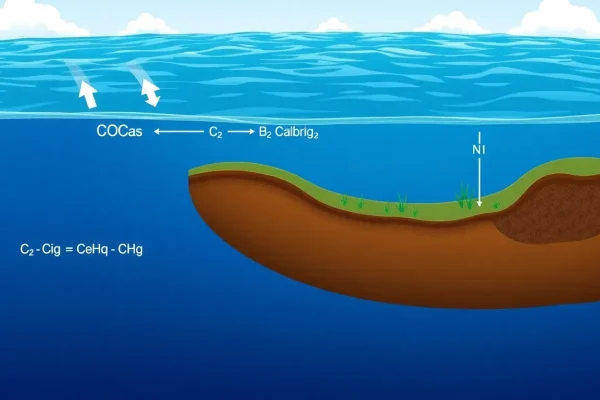
The oceans absorb carbon dioxide from the atmosphere because of a natural chemical equilibrium: CO2 dissolves in seawater and reacts with water to form…