Which Foods Have the Largest Environmental Footprint?
Animal-based foods, particularly beef and lamb, have the largest environmental footprints in terms of greenhouse gas emissions, land use, and water consumption. Plant-based foods…
Topic archive
Guides on integrated approaches to managing food, water, and land resources sustainably
Animal-based foods, particularly beef and lamb, have the largest environmental footprints in terms of greenhouse gas emissions, land use, and water consumption. Plant-based foods…
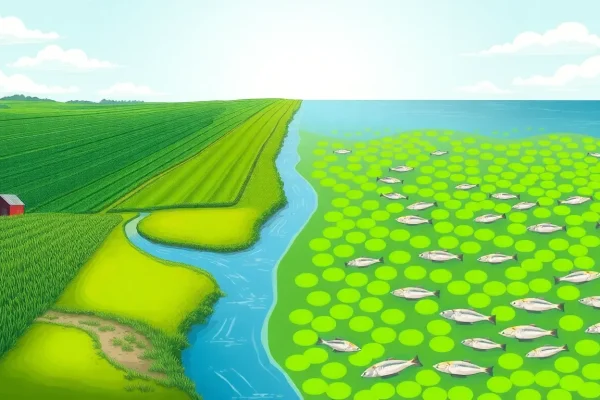
Phosphorus pollution is the excessive input of phosphorus into water bodies, primarily from agricultural runoff, wastewater, and industrial discharges. It triggers eutrophication, leading to…
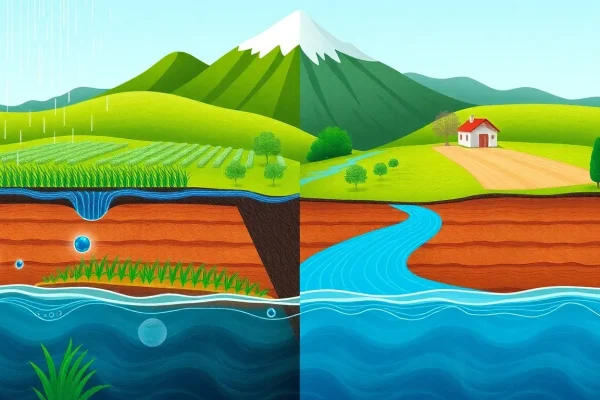
Green water is precipitation stored in soil and used by plants, while blue water is liquid water in rivers, lakes, and aquifers. These concepts,…
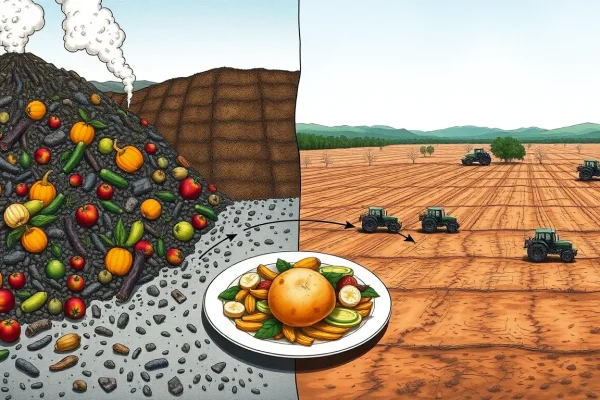
Food waste is the discarding of edible food throughout the supply chain and by consumers. When food is wasted, all the resources used to…
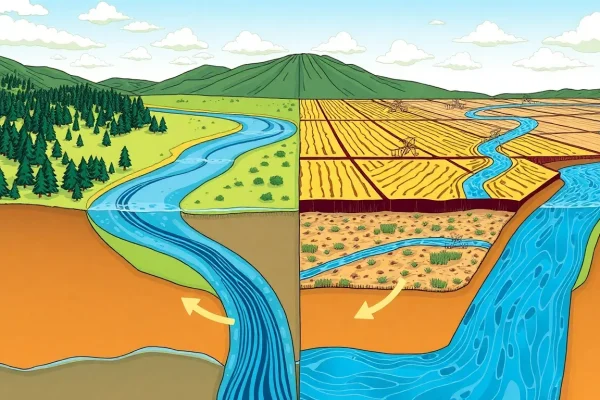
Agriculture profoundly alters the global water cycle by withdrawing massive amounts of freshwater for irrigation, modifying land surfaces, and releasing pollutants. These changes affect…
Land sparing and land sharing are two contrasting strategies for balancing agricultural production with biodiversity conservation. Land sparing involves intensifying farming on existing land…