The Chemical Cocktail Effect Explained
The chemical cocktail effect describes how mixtures of chemicals can produce combined health or environmental impacts that differ from the effects of individual substances.…
Topic archive
Overview of how material use and waste contribute to environmental pollution and sustainability challenges.
The chemical cocktail effect describes how mixtures of chemicals can produce combined health or environmental impacts that differ from the effects of individual substances.…
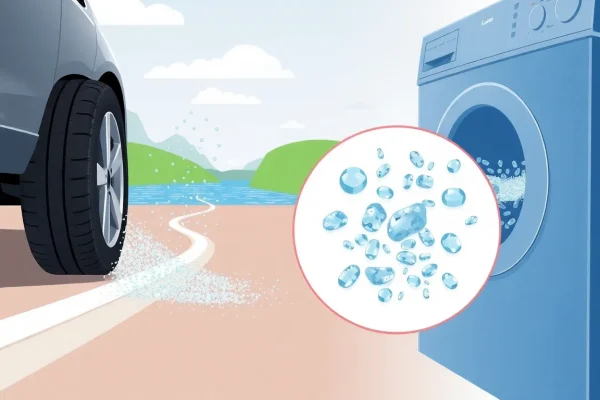
Primary microplastics are tiny plastic particles intentionally manufactured or directly released from products. Tires and synthetic textiles are major sources, shedding particles during use…
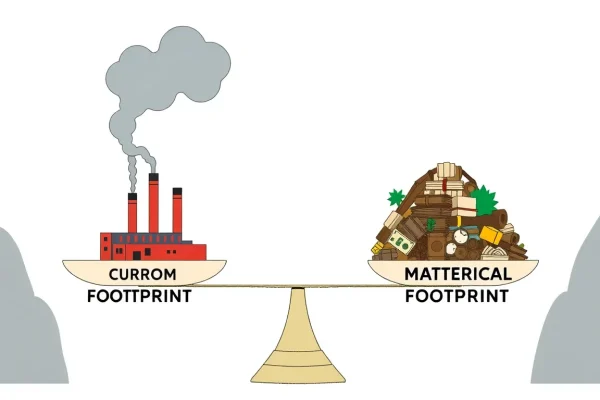
Material footprint measures the total amount of raw materials extracted to meet a country's or individual's consumption, including materials used in imported goods. Carbon…
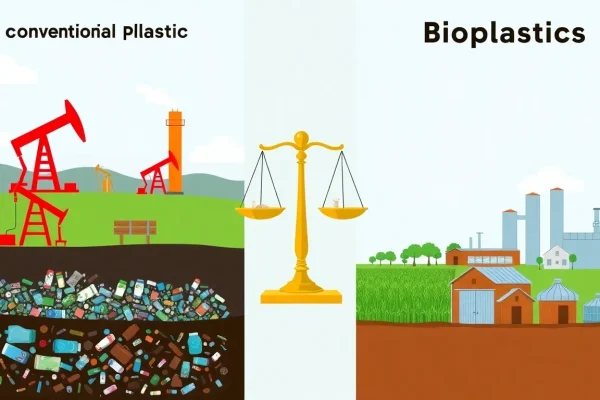
Bioplastics are plastics derived from renewable biomass sources or designed to be biodegradable, while conventional plastics are made from fossil fuels and are typically…
Urban mining is the process of recovering valuable materials, such as metals and minerals, from urban waste streams like discarded electronics, buildings, and infrastructure.…
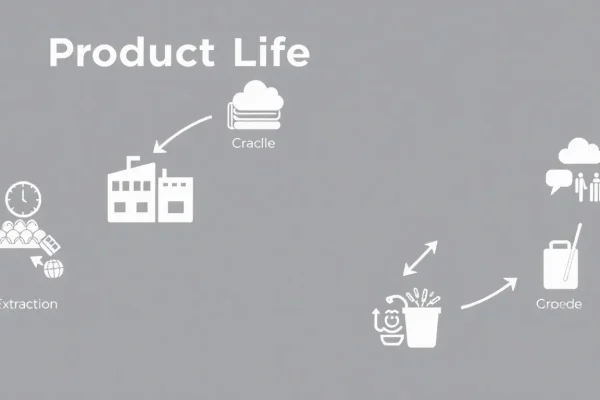
Cradle-to-gate and cradle-to-grave are two system boundaries used in life cycle assessment (LCA) to define the scope of environmental impact analysis. Cradle-to-gate covers from…
High-income countries have larger material footprints because their high levels of consumption, extensive infrastructure, and consumerist lifestyles require vast amounts of raw materials, often…
Persistent, Bioaccumulative and Toxic (PBT) chemicals are substances that resist degradation, accumulate in living organisms, and cause harmful effects. They pose long-term risks to…
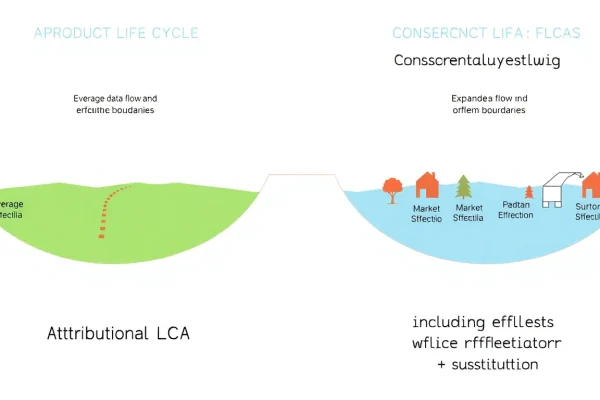
Attributional life-cycle assessment (ALCA) describes the environmental flows of a product system using average data, while consequential life-cycle assessment (CLCA) evaluates how those flows…
Circular procurement is a strategic approach where organizations purchase goods, services, or works that contribute to closed-loop material cycles, minimize waste, and maximize resource…