How Microplastics Move Through Food Webs
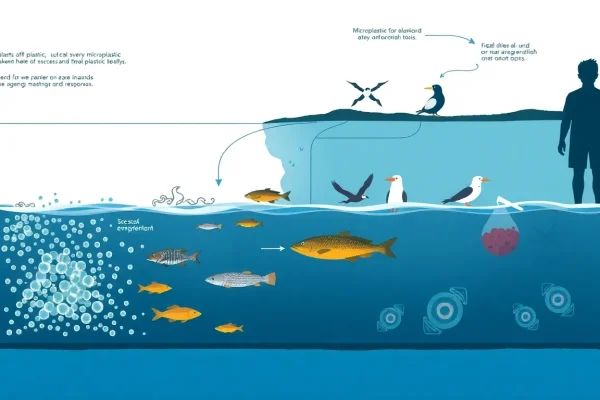
Microplastics—tiny plastic particles less than 5 mm in size—enter food webs when they are ingested by organisms at the base of the food chain,…
Topic archive
Overview of how material use and waste contribute to environmental pollution and sustainability challenges.
Microplastics—tiny plastic particles less than 5 mm in size—enter food webs when they are ingested by organisms at the base of the food chain,…
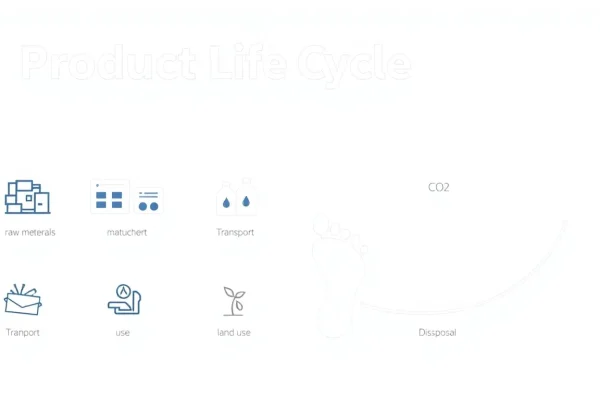
A Product Environmental Footprint (PEF) is a standardized method for measuring the environmental impacts of a product throughout its entire life cycle, from raw…
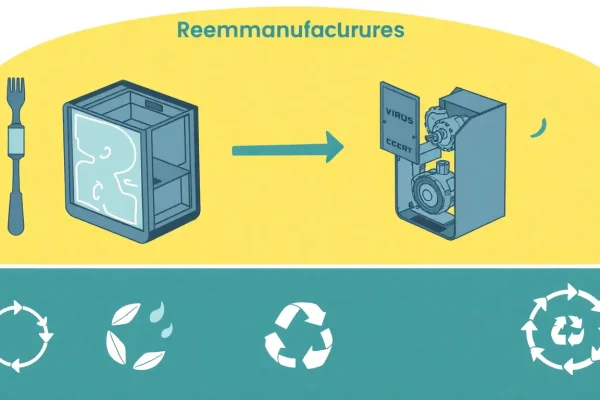
Remanufacturing is an industrial process that restores used products to like-new condition by disassembling, cleaning, repairing, and replacing components, then reassembling and testing them…
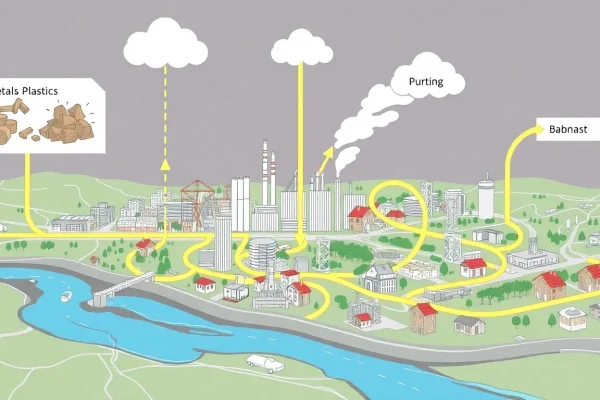
Material Flow Analysis (MFA) is a systematic assessment method that quantifies the flows and stocks of materials within a defined system, such as a…
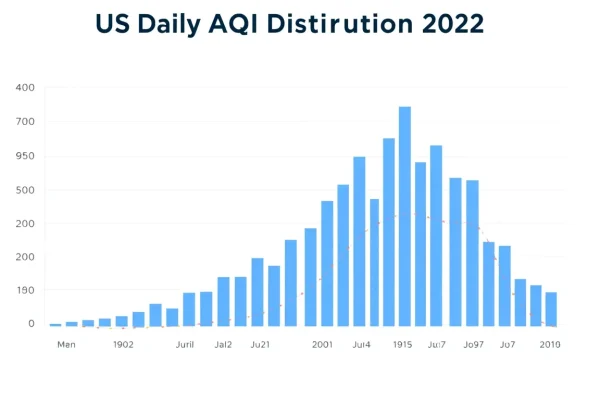
In environmental data, the mean and median often tell different stories. For US air quality in 2022, the national mean AQI was 48, while…
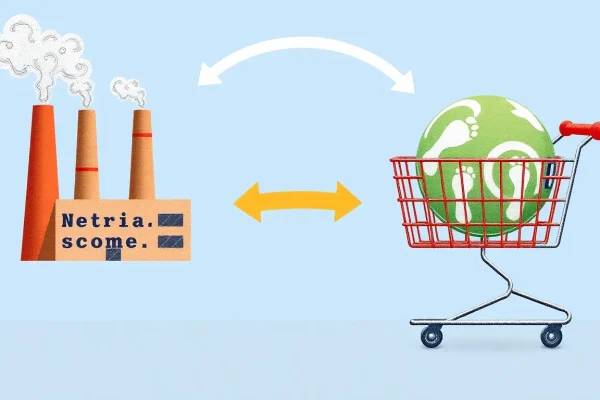
Territorial emissions account for greenhouse gases released within a country's borders, while consumption-based emissions allocate emissions to the final consumer, including those embedded in…
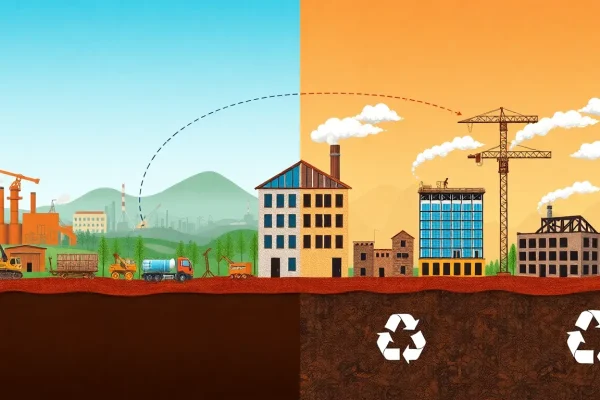
Embodied carbon refers to the total greenhouse gas emissions generated during the lifecycle of building materials, from extraction and manufacturing to transportation, construction, and…
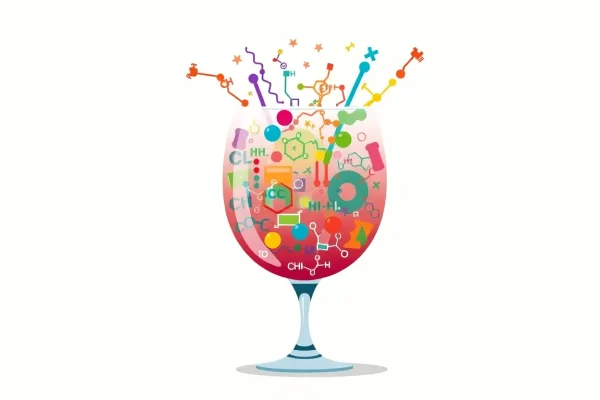
The chemical cocktail effect describes how mixtures of chemicals can produce combined health or environmental impacts that differ from the effects of individual substances.…
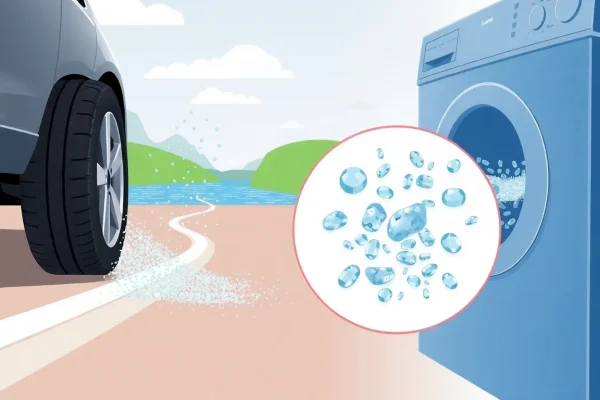
Primary microplastics are tiny plastic particles intentionally manufactured or directly released from products. Tires and synthetic textiles are major sources, shedding particles during use…
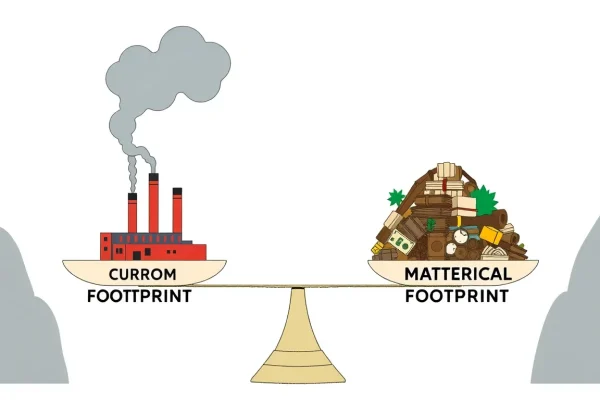
Material footprint measures the total amount of raw materials extracted to meet a country's or individual's consumption, including materials used in imported goods. Carbon…