What Is Tire-Wear Pollution?
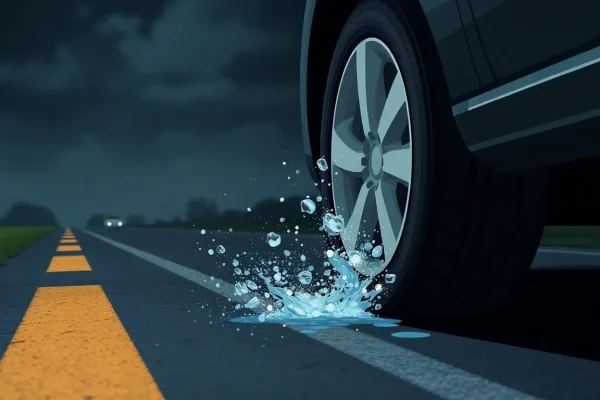
Tire-wear pollution is the release of tiny particles from vehicle tires as they abrade against road surfaces. These particles, composed of synthetic rubber and…
Topic archive
Overview of how material use and waste contribute to environmental pollution and sustainability challenges.
Tire-wear pollution is the release of tiny particles from vehicle tires as they abrade against road surfaces. These particles, composed of synthetic rubber and…
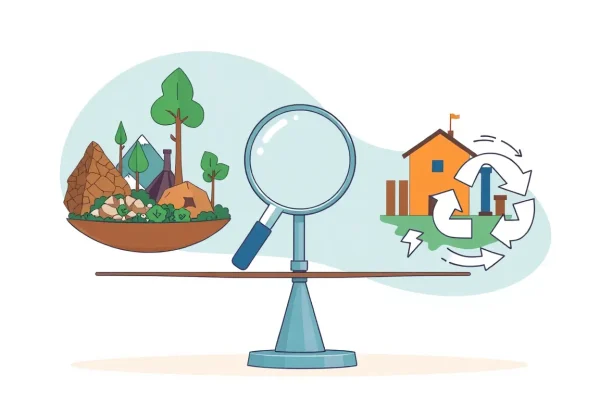
Resource productivity measures the efficiency with which an economy uses natural resources to generate economic output. It is typically expressed as the ratio of…
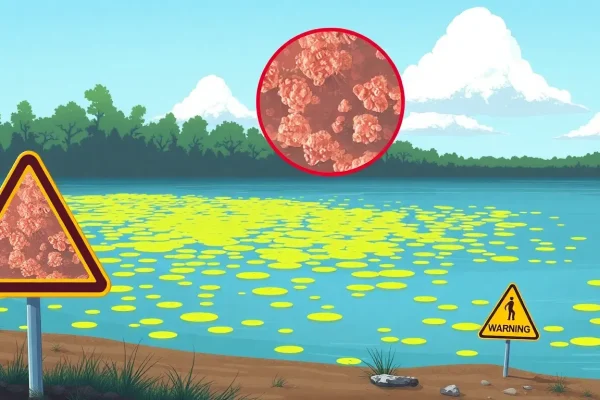
Some algal blooms produce toxins as a defense mechanism against grazers or as byproducts of metabolic processes. These toxins, known as cyanotoxins or phycotoxins,…
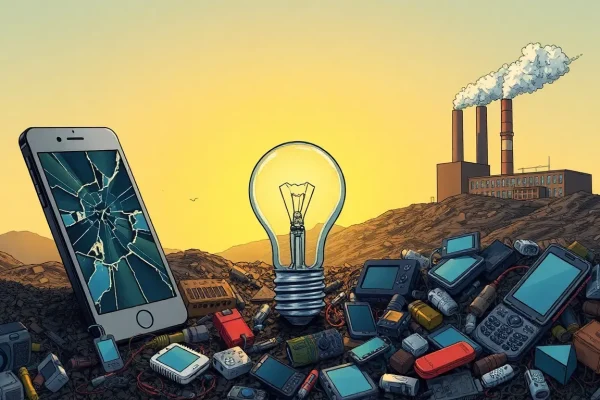
Planned obsolescence is the practice of designing products with artificially limited lifespans to encourage frequent replacement. This strategy drives excessive resource extraction, energy consumption,…
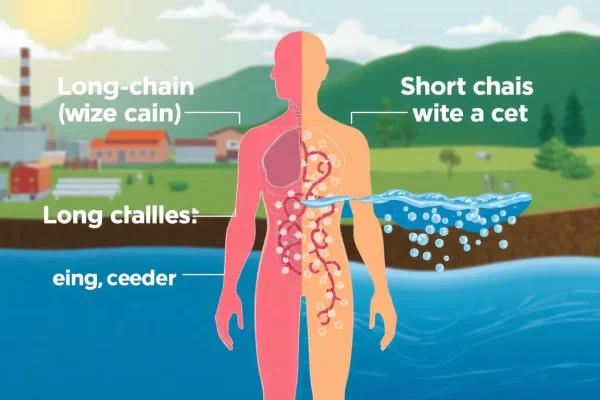
PFAS short-chain and long-chain compounds are distinguished by the length of their fluorinated carbon chain. Long-chain PFAS, such as PFOA and PFOS, have 8…
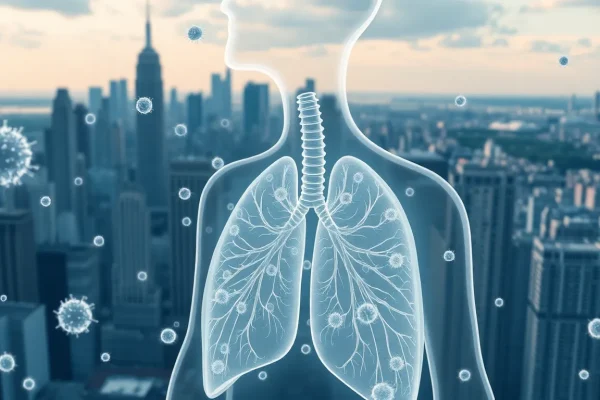
PM2.5 refers to fine inhalable particles with diameters of 2.5 micrometers or smaller. Research consistently links exposure to these particles with increased risks of…
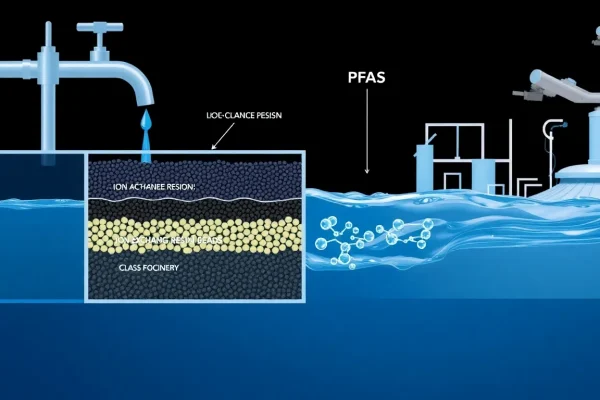
Yes, PFAS can be removed from drinking water using advanced treatment technologies such as granular activated carbon, ion exchange resins, and reverse osmosis. These…
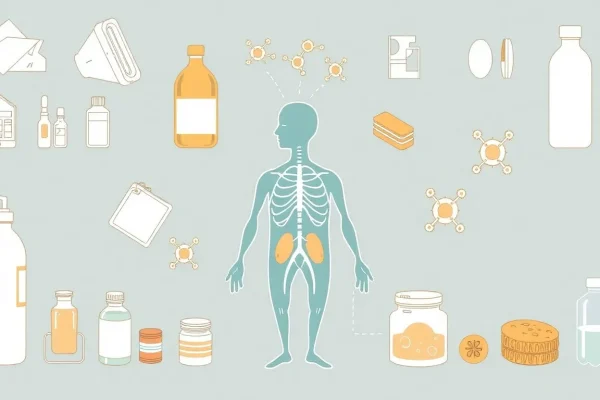
Endocrine-disrupting chemicals (EDCs) are substances that interfere with the body's hormonal systems, potentially causing adverse health effects. Found in many everyday products, they can…
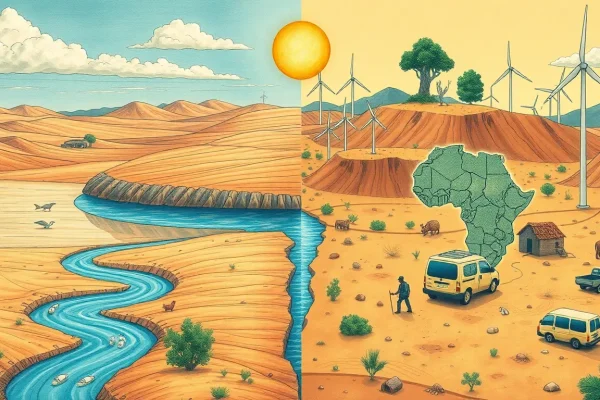
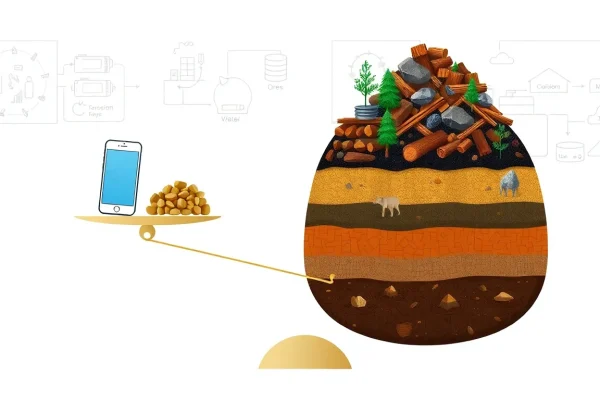
Energy transition minerals such as lithium, cobalt, and rare earths are essential for clean energy technologies, but their extraction and processing carry significant environmental…
Raw Material Equivalent (RME) is a metric that quantifies the total amount of raw materials extracted from nature to produce a final product, including…