Endocrine-Disrupting Chemicals Explained
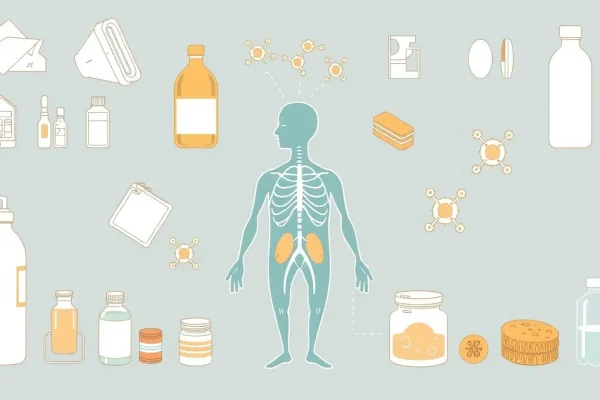
Endocrine-disrupting chemicals (EDCs) are substances that interfere with the body's hormonal systems, potentially causing adverse health effects. Found in many everyday products, they can…
Topic archive
Overview of how material use and waste contribute to environmental pollution and sustainability challenges.
Endocrine-disrupting chemicals (EDCs) are substances that interfere with the body's hormonal systems, potentially causing adverse health effects. Found in many everyday products, they can…
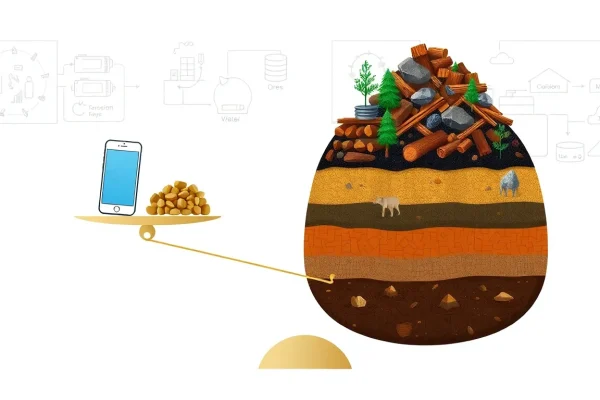
Energy transition minerals such as lithium, cobalt, and rare earths are essential for clean energy technologies, but their extraction and processing carry significant environmental…
Raw Material Equivalent (RME) is a metric that quantifies the total amount of raw materials extracted from nature to produce a final product, including…
Renovating existing buildings often has lower upfront embodied carbon and can preserve cultural heritage, while new construction allows for modern energy performance and density.…
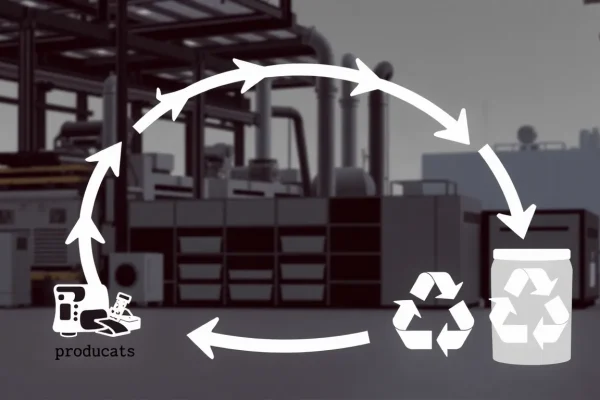
Extended Producer Responsibility (EPR) is a policy approach that makes producers responsible for the entire lifecycle of their products, especially end-of-life management. It shifts…
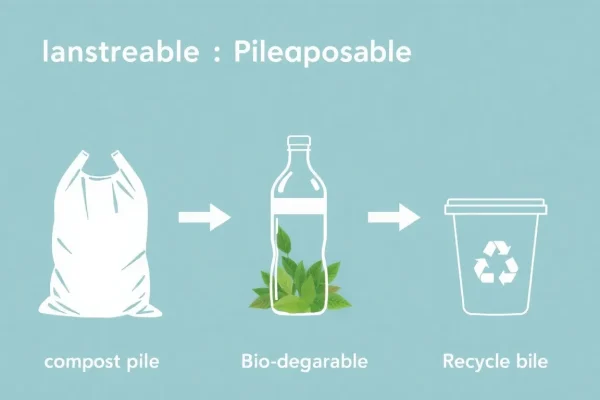
Compostable plastics break down into non-toxic components in composting conditions, while biodegradable plastics can degrade naturally but without a defined timeframe or end-product. Bio-based…
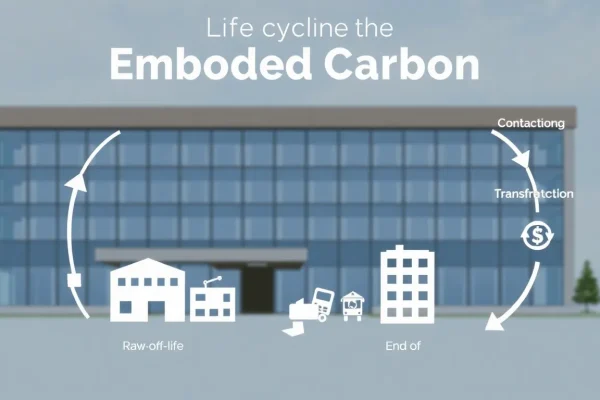
Embodied carbon refers to the greenhouse gas emissions from building material production, transportation, and construction. Reducing it is a critical and increasingly viable strategy…
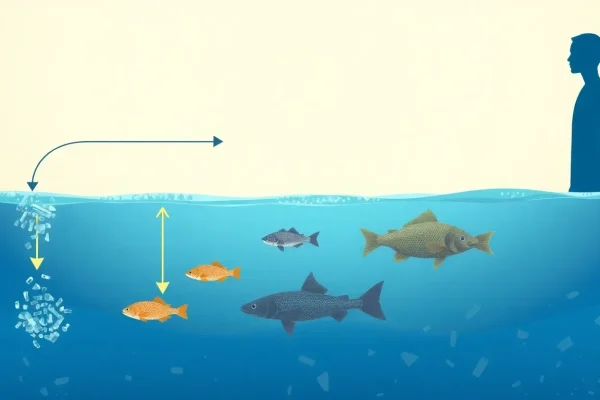
Microplastics, tiny plastic particles less than 5 millimeters in size, enter food webs when they are ingested by organisms at the base of the…
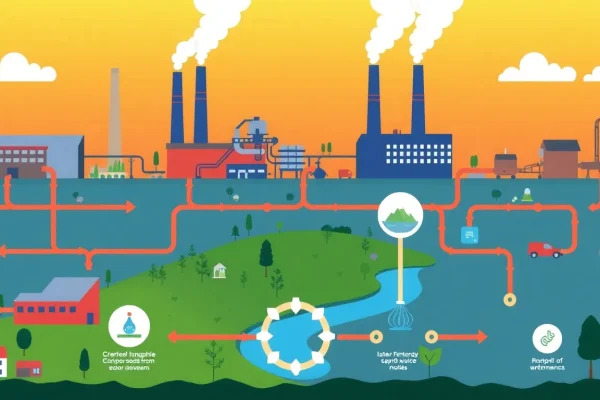
Industrial symbiosis is a collaborative approach where waste or by-products of one company become valuable inputs for another, mimicking natural ecosystems. It offers a…
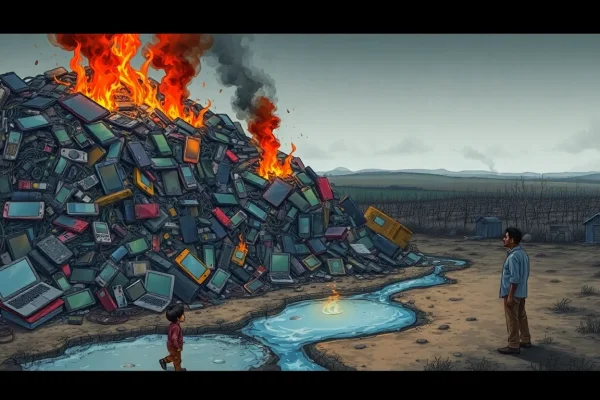
Electronic waste, or e-waste, contains hazardous substances such as lead, mercury, and flame retardants that, when improperly disposed of or informally recycled, contaminate air,…