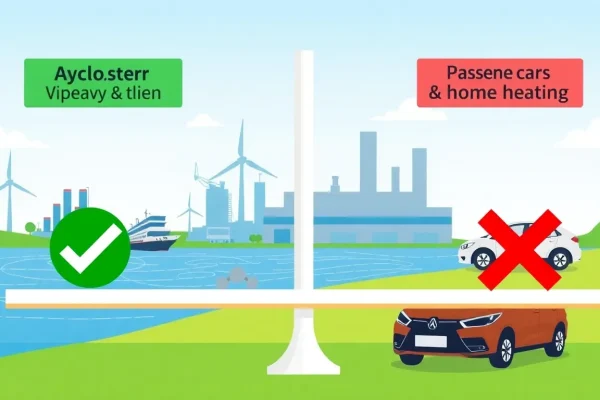
Where Hydrogen Makes Sense—and Where It Does Not
Hydrogen is not a one-size-fits-all energy solution. It makes the most sense in hard-to-electrify sectors like heavy industry, long-haul transport, and seasonal energy storage,…
Topic archive
Guides and insights on moving toward a sustainable, low‑carbon future.
Hydrogen is not a one-size-fits-all energy solution. It makes the most sense in hard-to-electrify sectors like heavy industry, long-haul transport, and seasonal energy storage,…
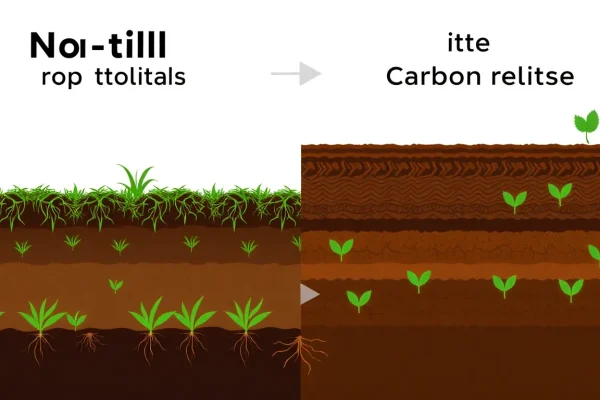
No-till farming reduces soil disturbance, which can increase soil organic carbon in surface layers compared to conventional tillage. However, the net effect on total…
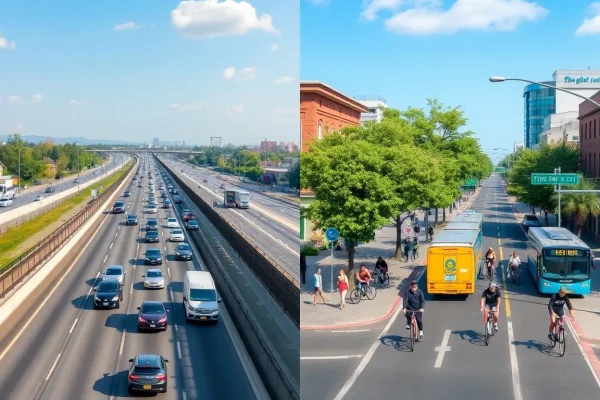
Complete Streets is a design and policy approach that ensures streets are safe and accessible for all users, not just cars. Evidence shows it…
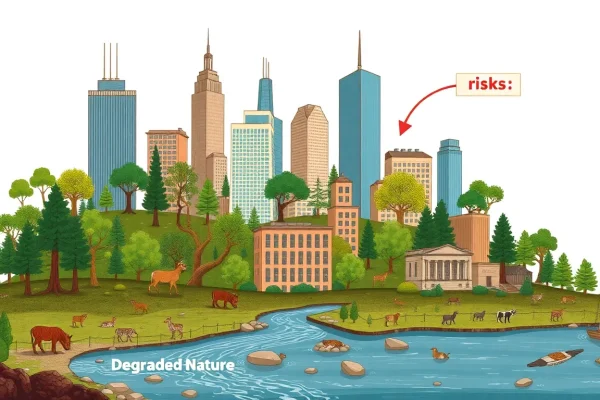
Nature-related business risks are the potential threats to companies, investors, and the financial system arising from their dependencies and impacts on the natural world.…
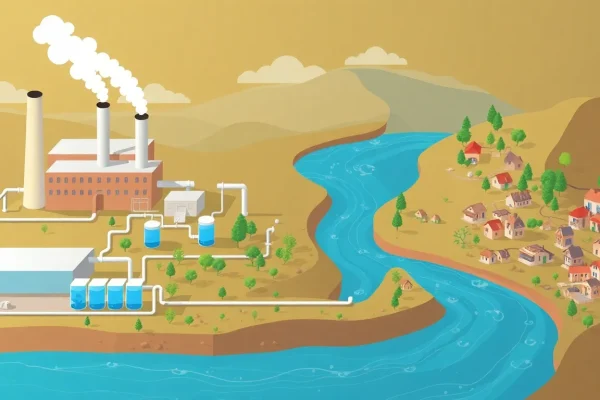
Corporate water stewardship is a business approach that goes beyond managing water use within a company’s own operations to address shared water risks and…
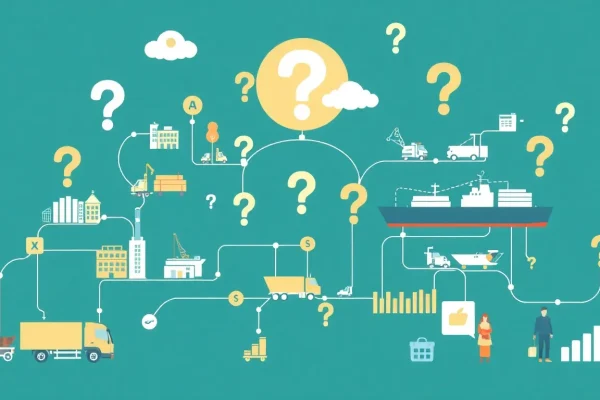
Scope 3 emissions are indirect greenhouse gas emissions that occur in a company’s value chain, including both upstream and downstream activities. They are difficult…
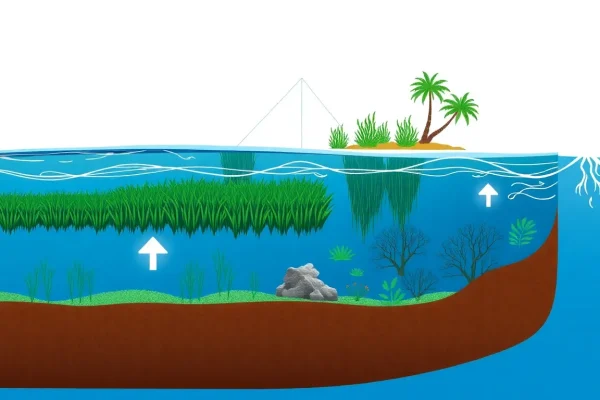
Coastal ecosystems such as mangroves, salt marshes, seagrass meadows, and coral reefs act as natural climate defenses by reducing wave energy, storm surge, and…
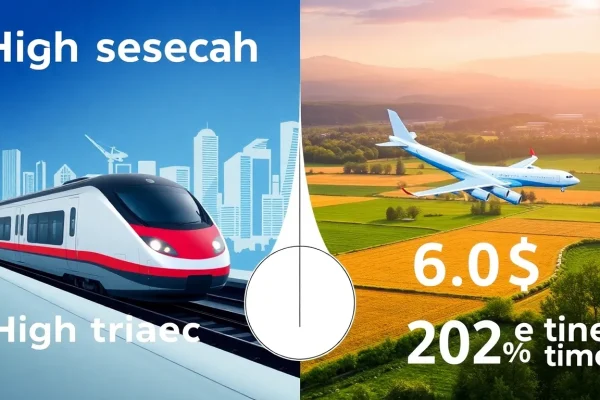
High-speed rail offers a lower-carbon alternative to short-haul air travel on dense corridors, with proven success in Europe and Asia. However, its high upfront…
Induced demand is the well-documented phenomenon where expanding road capacity leads to increased traffic volumes, often negating expected congestion relief. This analysis examines the…
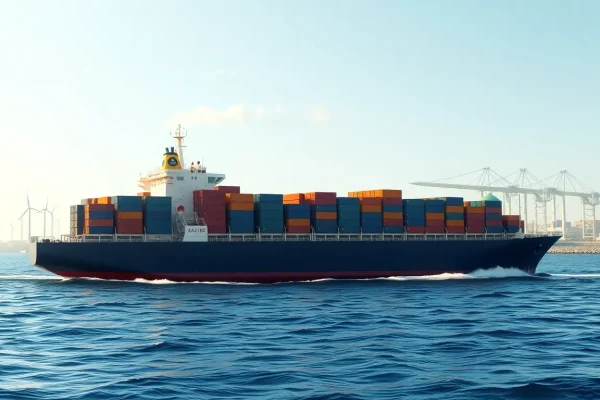
Shipping, the backbone of global trade, accounts for about 2-3% of global greenhouse gas emissions. A combination of energy efficiency, alternative fuels, and operational…