Coastal Ecosystems as Natural Climate Defenses
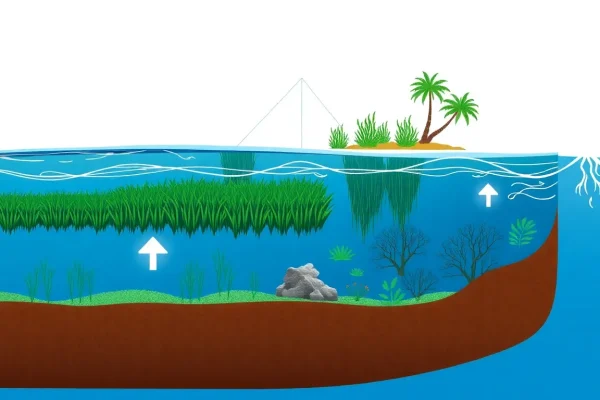
Coastal ecosystems such as mangroves, salt marshes, seagrass meadows, and coral reefs act as natural climate defenses by reducing wave energy, storm surge, and…
Topic archive
Guides and insights on moving toward a sustainable, low‑carbon future.
Coastal ecosystems such as mangroves, salt marshes, seagrass meadows, and coral reefs act as natural climate defenses by reducing wave energy, storm surge, and…
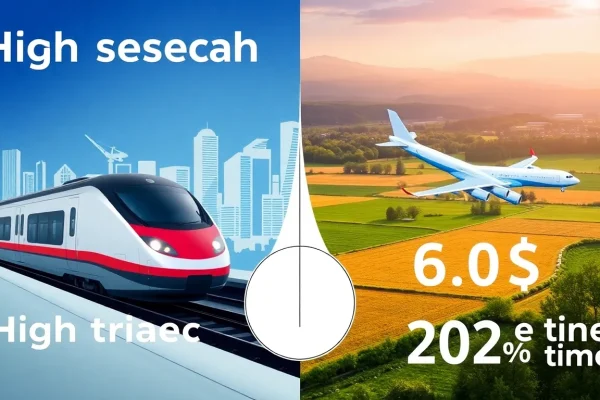
High-speed rail offers a lower-carbon alternative to short-haul air travel on dense corridors, with proven success in Europe and Asia. However, its high upfront…
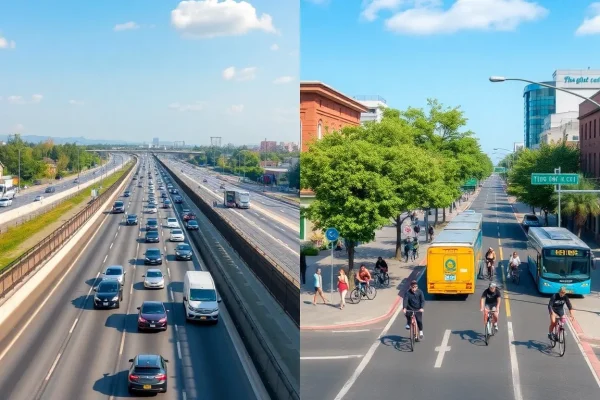
Induced demand is the well-documented phenomenon where expanding road capacity leads to increased traffic volumes, often negating expected congestion relief. This analysis examines the…
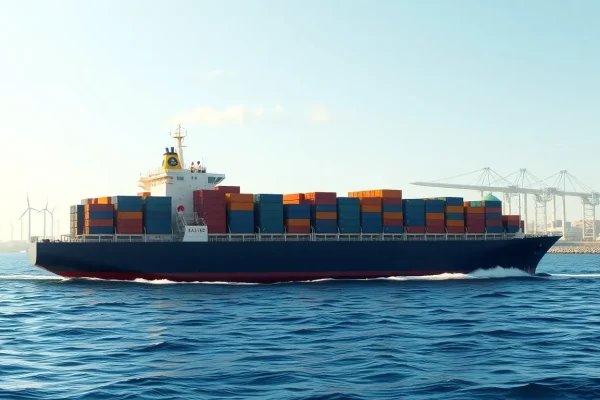
Shipping, the backbone of global trade, accounts for about 2-3% of global greenhouse gas emissions. A combination of energy efficiency, alternative fuels, and operational…
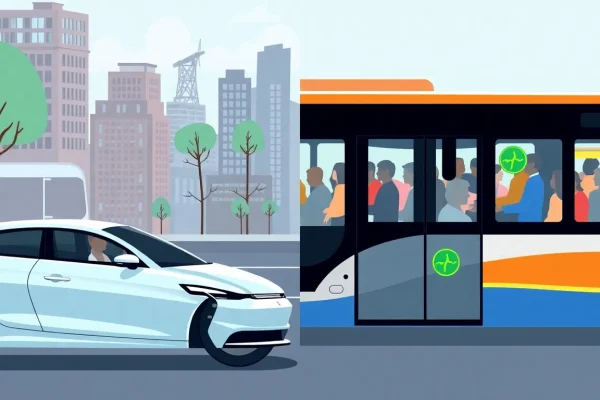
Electric cars and public transport are two key strategies for reducing transport emissions. Public transport generally offers greater efficiency and co-benefits in dense urban…
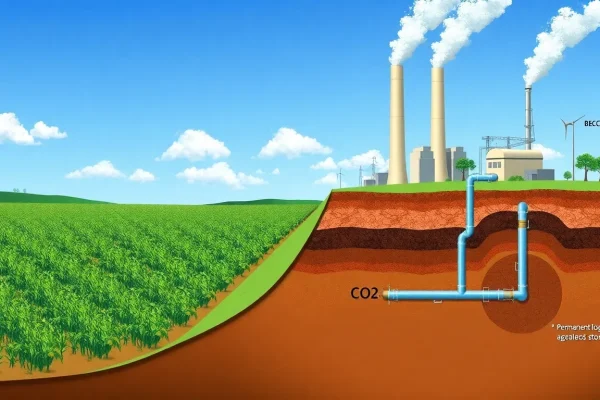
Bioenergy with carbon capture and storage (BECCS) is a carbon dioxide removal technology that combines energy generation from biomass with the capture and permanent…
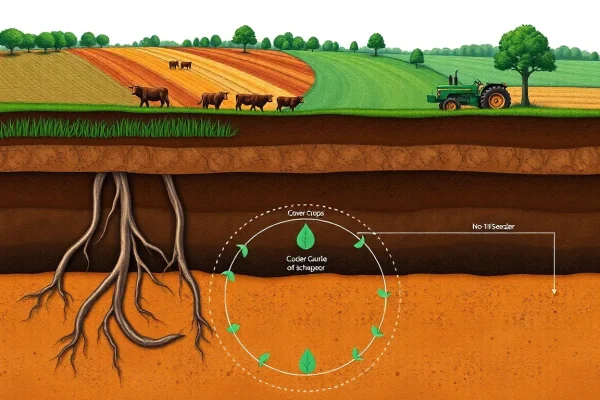
Regenerative agriculture is a holistic approach to farming and grazing that aims to restore soil health, increase biodiversity, and sequester atmospheric carbon. While its…
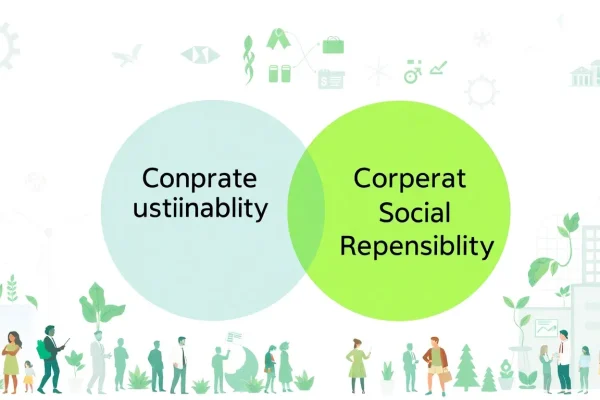
Corporate Social Responsibility (CSR) refers to a company’s voluntary actions to contribute to societal goals, often through philanthropy and ethical practices, while Corporate Sustainability…
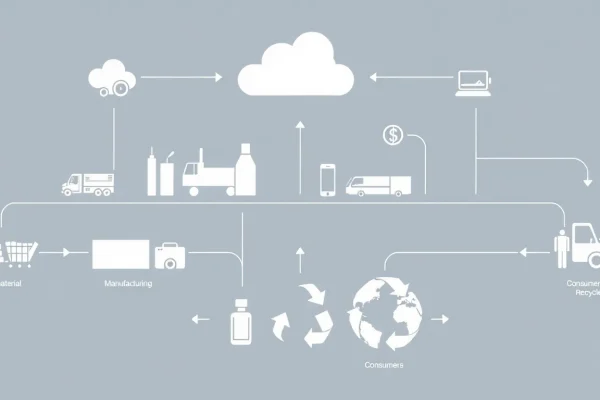
Life-cycle thinking is a holistic approach that evaluates the environmental, social, and economic impacts of a product or service across its entire lifespan—from raw…
The 15-minute city concept aims to ensure all essential services are within a short walk or bike ride from home. While it promises reduced…