Additionality in Carbon Markets: Concept, Challenges, and Evidence
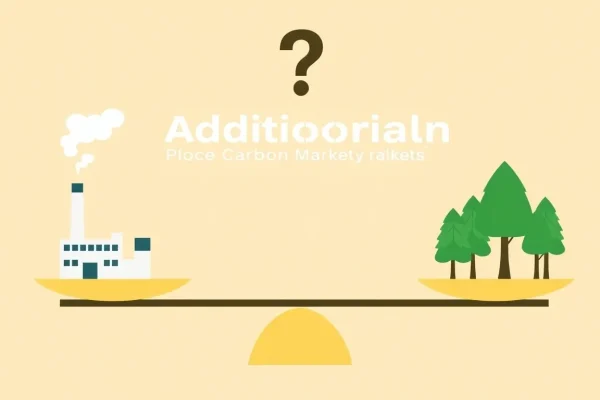
Additionality is a core principle in carbon markets, requiring that emission reductions would not have occurred without the incentive provided by carbon credits. This…
Topic archive
Research, explainers and solution analysis for understanding change across a living planet.
36 resourcesAdditionality is a core principle in carbon markets, requiring that emission reductions would not have occurred without the incentive provided by carbon credits. This…
Nature-based carbon removal (e.g., afforestation, soil carbon) is currently more cost-effective and provides co-benefits but faces permanence risks. Technological methods (e.g., direct air capture)…
Fossil fuel subsidies are government actions that lower the cost of fossil fuel production or consumption, including direct payments, tax breaks, and price controls.…
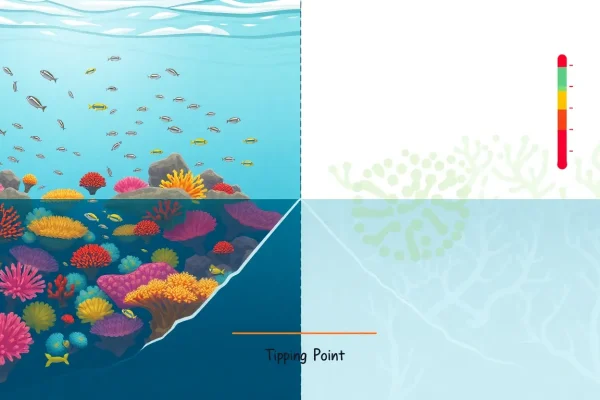
Coral reef tipping points occur when cumulative stress—especially from marine heatwaves—pushes a reef ecosystem past a critical threshold, triggering rapid, often irreversible degradation such…
Carbon markets are widely promoted as a cost-effective tool to reduce emissions, but their real-world impact is mixed. This analysis examines the evidence, risks,…
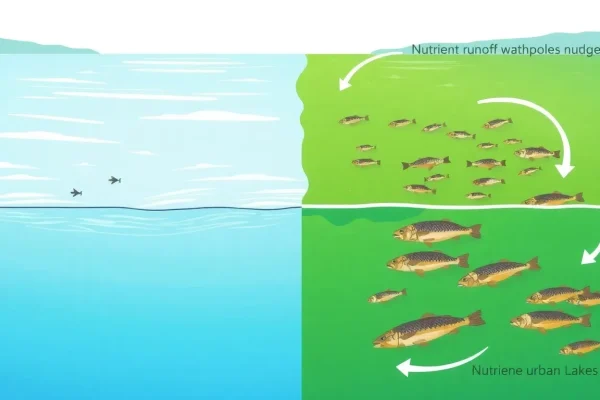
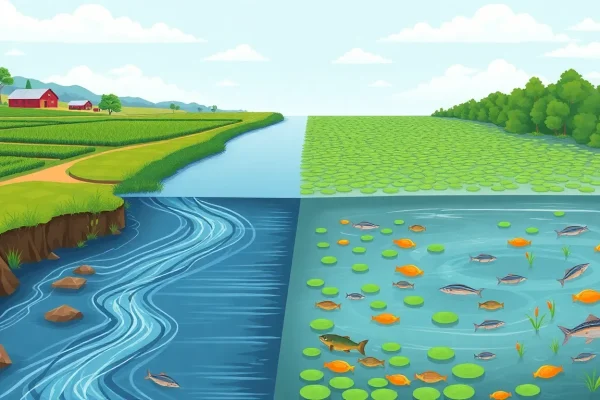
Eutrophication is the process by which a water body becomes enriched with nutrients, leading to excessive plant and algal growth. A harmful algal bloom…
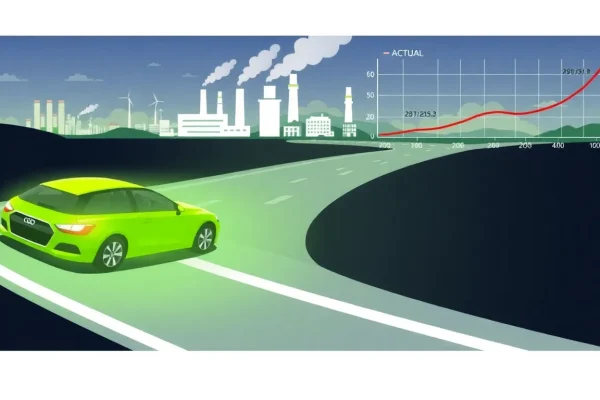
Efficiency improvements can paradoxically increase resource use due to the rebound effect. When a product or service becomes more efficient, its effective cost drops,…
Nutrient loading is the introduction of excess nutrients, mainly nitrogen and phosphorus, into water bodies from human activities like agriculture and wastewater. It triggers…
Passive House is a rigorous, voluntary building standard that drastically reduces energy consumption for heating and cooling through superinsulation, airtightness, high-performance windows, and heat-recovery…
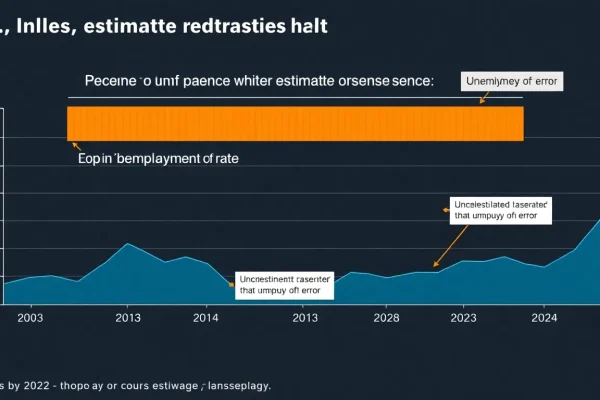
The margin of error for the U.S. unemployment rate in September 2023 was ±0.2 percentage points at the 90% confidence level, according to the…