In brief
At a glance
Quick Facts
- Definition
- A smart grid integrates digital communication and automation into the electrical grid to enable two-way flows of electricity and information.
- Key technology
- Advanced metering infrastructure (AMI) allows real-time, two-way communication between utilities and smart meters.
- Primary benefit
- Improved reliability through automated fault detection and self-healing, reducing outage duration and frequency.
- Major risk
- Increased vulnerability to cyberattacks due to expanded digital connectivity and data exchange.
- Cost challenge
- High upfront investment for infrastructure upgrades, including meters, sensors, and communication networks.
- Environmental role
- Enables higher integration of variable renewable energy sources like wind and solar, reducing greenhouse gas emissions.
- Consumer impact
- Smart meters provide detailed usage data, enabling demand response and potential cost savings through time-based pricing.
- Global status
- Many countries are deploying smart grid technologies, with varying levels of adoption driven by policy and investment.
Key Takeaways
- A smart grid transforms the traditional one-way power system into an interactive, digitally enabled network that improves efficiency, reliability, and sustainability.
- It enables real-time monitoring, automated fault response, and integration of renewable energy sources, but also introduces cybersecurity and privacy risks.
- High upfront costs, technological complexity, and the need for consumer engagement are significant limitations to widespread adoption.
- Smart grids are essential for the transition to a low-carbon energy future, but their success depends on robust security, regulatory support, and public acceptance.
What Is Smart Grids: Benefits, Risks and Limitations?
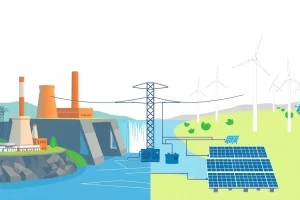
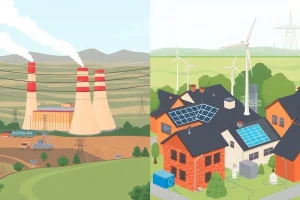
A smart grid is an electricity network that uses digital technology, sensors, and two-way communication to monitor, control, and optimize the flow of electricity from generation to consumption. Unlike the traditional grid, which operates on a one-way model where power flows from centralized plants to passive consumers, a smart grid enables real-time data exchange and automated decision-making. This allows for better integration of renewable energy sources, faster response to outages, and active participation by consumers in managing their energy use. The term encompasses a wide range of technologies, including smart meters, advanced sensors, automated switches, and sophisticated software platforms that collectively create a more resilient and efficient electrical infrastructure.
The concept addresses the limitations of aging power systems, which are often inefficient, prone to failures, and ill-equipped to handle the variable output of solar and wind power. By embedding intelligence throughout the network, smart grids can detect and isolate faults automatically, balance supply and demand dynamically, and provide detailed consumption data to both utilities and consumers. However, this digital transformation also introduces new challenges, such as increased vulnerability to cyberattacks, concerns over data privacy, and the need for substantial investment. Understanding the benefits, risks, and limitations of smart grids is crucial for policymakers, utilities, and individuals as the world moves toward a more sustainable energy future.
Overview
The traditional electrical grid was designed over a century ago as a centralized system to deliver power from large generating stations to end users. While it has served reliably, it faces growing strain from rising demand, aging infrastructure, and the imperative to incorporate renewable energy. The smart grid concept emerged in the early 2000s as a modernization strategy, leveraging advances in digital communication, computing, and control systems. Governments and utilities worldwide have since invested in smart grid projects, driven by goals of energy efficiency, reliability, and decarbonization. The smart grid is not a single technology but a suite of upgrades that work together to create a more flexible, responsive, and sustainable electricity network.
How It Works
A smart grid operates by layering digital communication and control systems onto the existing electrical infrastructure. Key components include:
- Smart meters: Record electricity consumption in real time and communicate with the utility, enabling remote reading and time-based pricing.
- Sensors and automated switches: Monitor voltage, current, and equipment health, and can automatically reroute power to isolate faults and restore service quickly.
- Communication networks: Provide the data links between devices, control centers, and consumers, using technologies such as fiber optics, wireless, and power-line communication.
- Advanced distribution management systems: Centralized software that processes data, predicts demand, and coordinates grid operations in real time.
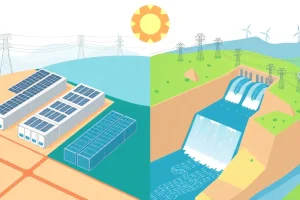
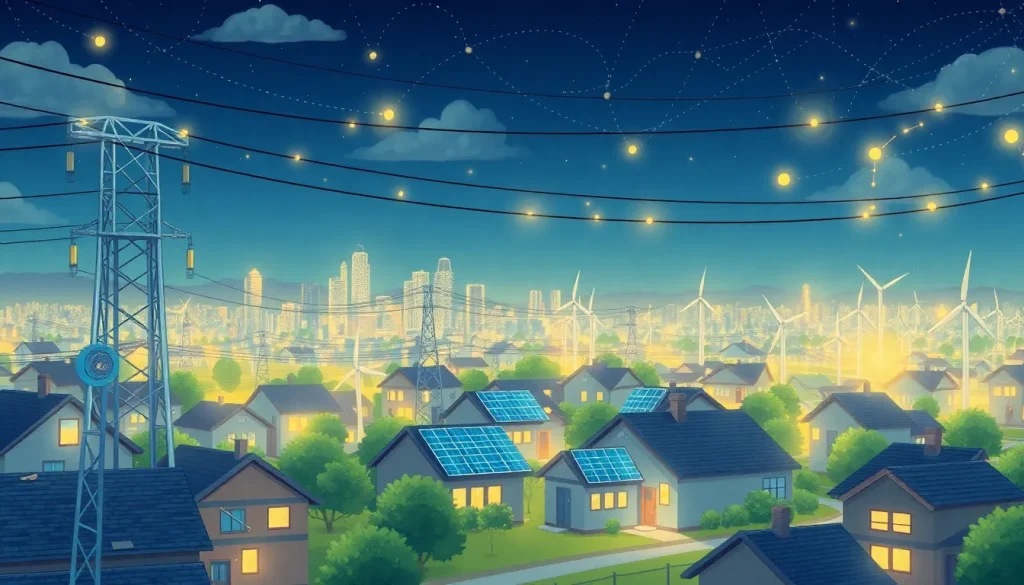
When a fault occurs, such as a downed power line, the smart grid can detect the problem, isolate the affected area, and reroute electricity to minimize the number of customers affected. It also enables demand response programs, where consumers voluntarily reduce or shift their electricity use during peak periods in exchange for financial incentives. Additionally, smart grids can seamlessly integrate distributed energy resources like rooftop solar panels and battery storage, allowing two-way power flow and enhancing overall grid stability.
Benefits, Limitations and Trade-offs
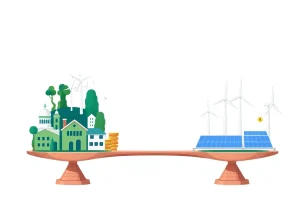
Smart grids offer a range of benefits, but they also come with significant limitations and trade-offs that must be carefully managed.
Benefits:
- Improved reliability: Automated fault detection and self-healing capabilities reduce the frequency and duration of power outages.
- Greater efficiency: Real-time monitoring and voltage optimization lower energy losses during transmission and distribution.
- Renewable energy integration: Smart grids can handle the variability of wind and solar power, enabling higher penetration of clean energy.
- Consumer empowerment: Smart meters and home energy management systems give consumers detailed insights into their usage, helping them save money and reduce waste.
- Enhanced security: While cybersecurity is a risk, smart grids can also improve physical security through better monitoring and faster response to threats.
Limitations:
- High upfront costs: Deploying smart meters, sensors, communication networks, and new software requires substantial investment from utilities and governments.
- Technological complexity: Integrating diverse systems and ensuring interoperability among devices from different vendors is challenging.
- Consumer engagement: The full benefits of demand response and energy savings depend on active consumer participation, which can be difficult to achieve.
- Regulatory hurdles: Outdated regulations may not accommodate new business models or the dynamic pricing structures that smart grids enable.
Trade-offs:
- Privacy vs. data utility: Detailed energy usage data can reveal personal habits, requiring strong privacy protections that may limit some analytical capabilities.
- Connectivity vs. security: Increased digital connectivity expands the attack surface for cyber threats, necessitating continuous investment in cybersecurity measures.
- Automation vs. human control: While automation improves efficiency, it may reduce human oversight and create new points of failure if systems are not properly designed.
Environmental and Human Impacts
Smart grids have significant environmental implications, primarily by enabling greater use of renewable energy and reducing greenhouse gas emissions. By making the grid more efficient, they can lower overall energy consumption and defer the need for new power plants. However, the production and disposal of smart grid components, such as smart meters, batteries, and sensors, carry environmental footprints that must be managed through responsible manufacturing and recycling practices. On the human side, smart grids can lead to more stable electricity prices and fewer outages, improving quality of life. They also create opportunities for consumers to become prosumers—both producers and consumers of energy—potentially lowering energy bills. Yet, concerns about data privacy and the potential for surveillance through detailed energy usage data remain important societal considerations.
Importance and Impact
The importance of smart grids lies in their role as a critical enabler of the transition to a low-carbon energy system. Without a smarter grid, integrating high levels of intermittent renewable energy like wind and solar becomes technically challenging and expensive. Smart grids enhance energy security by reducing dependence on centralized power plants and fossil fuels, and they can make electricity markets more competitive by allowing smaller players to participate. Their impact extends beyond the energy sector, influencing economic development, job creation in technology and clean energy, and public health through reduced air pollution. However, the full impact depends on effective implementation, supportive policies, and broad consumer acceptance.
Common Misconceptions
FAQ
What is a smart grid?
A smart grid is an electricity network that uses digital technology, sensors, and two-way communication to monitor, control, and optimize the flow of electricity from generation to consumption, improving efficiency, reliability, and integration of renewable energy.
How does a smart grid work?
It works by adding communication and control systems to the existing grid. Smart meters, sensors, and automated switches collect and transmit data, while central management software analyzes this information to balance supply and demand, detect faults, and reroute power automatically.
What are the main benefits of smart grids?
Key benefits include fewer and shorter power outages, better integration of solar and wind energy, lower energy losses, and the ability for consumers to monitor and manage their electricity use, potentially saving money.
References
- U.S. Department of Energy – Smart Grid: https://www.energy.gov/oe/activities/technology-development/grid-modernization-and-smart-grid
- International Energy Agency – Smart Grids: https://www.iea.org/energy-system/electricity/smart-grids
- National Institute of Standards and Technology – Smart Grid Framework: https://www.nist.gov/el/smart-grid