In brief
At a glance
Quick Facts
- Lithium water consumption
- Extracting one ton of lithium from brine can consume up to 2 million liters of water, primarily in arid regions.
- Cobalt and child labor
- An estimated 15-30% of cobalt from the DRC is mined by artisanal and small-scale miners, where child labor is documented.
- Rare earth waste
- Processing one ton of rare earth elements can generate 2,000 tons of toxic waste, including radioactive thorium and uranium.
- Copper tailings
- Copper mining produces over 10 billion tons of tailings annually, which can leach heavy metals into water sources.
- Demand growth
- Global lithium demand could increase 40-fold by 2040 under net-zero scenarios, intensifying mining pressures.
- Water scarcity impact
- In Chile's Atacama region, lithium mining consumes 65% of the water, affecting local agriculture and ecosystems.
- Biodiversity loss
- Nickel mining in Indonesia has led to deforestation of over 100,000 hectares, threatening endangered species.
- Supply chain opacity
- Less than 20% of cobalt supply chains are fully traced from mine to end product, hindering accountability.
Key Takeaways
- Mining and processing energy transition minerals can cause severe environmental damage, including water scarcity, toxic pollution, and biodiversity loss.
- Social risks are equally significant, with documented cases of child labor, unsafe working conditions, and displacement of communities in mineral-rich regions.
- The rapid growth in demand for these minerals is intensifying existing risks and creating new ones, especially in countries with weak governance.
- Mitigating these risks requires a combination of stronger regulations, corporate accountability, recycling, and investment in alternative technologies.
What Is Energy Transition Minerals: Environmental and Social Risks?
Energy transition minerals are the raw materials required to manufacture technologies that enable the shift from fossil fuels to low-carbon energy systems. These include lithium, cobalt, nickel, copper, rare earth elements, and graphite, which are essential for batteries, electric vehicles, wind turbines, solar panels, and other clean energy infrastructure. The environmental and social risks associated with these minerals refer to the negative impacts that arise from their extraction, processing, and disposal, spanning ecological degradation, human rights abuses, and community disruption.
While the energy transition is vital for mitigating climate change, the rapid increase in demand for these minerals has exposed a paradox: the very materials needed to reduce global carbon emissions can cause severe local environmental harm and social injustice. The risks are not inherent to the minerals themselves but are a product of how and where they are mined, the governance frameworks in place, and the global supply chain dynamics. Understanding these risks is essential for policymakers, industries, and consumers to ensure that the shift to clean energy does not come at the expense of ecosystems and vulnerable populations.
Overview
The global push for decarbonization has led to an unprecedented surge in demand for energy transition minerals. According to the International Energy Agency, the production of minerals like lithium and cobalt could increase by more than 40 times by 2040 to meet climate goals. This demand is driven by the rapid deployment of electric vehicles, battery storage systems, and renewable energy infrastructure. However, the mining and processing of these minerals are concentrated in a limited number of countries, often with weak environmental regulations and poor labor protections, creating hotspots of risk.
The environmental and social risks are not uniform; they vary by mineral, extraction method, and geography. For example, lithium mining in South America’s salt flats consumes vast quantities of water in arid regions, threatening local agriculture and ecosystems. Cobalt mining in the Democratic Republic of Congo (DRC) is associated with hazardous artisanal mining practices and child labor. Rare earth element processing generates radioactive waste and toxic byproducts. These risks are compounded by complex global supply chains that obscure the origin of minerals and make accountability difficult.
Environmental and Human Impacts
The environmental impacts of mining energy transition minerals are extensive. Open-pit and underground mining can lead to deforestation, soil erosion, and loss of biodiversity. The extraction process often requires large amounts of water, which can deplete local water tables and contaminate freshwater sources with heavy metals and acids. For instance, lithium extraction from brine in the Lithium Triangle (Argentina, Bolivia, Chile) consumes approximately 2 million liters of water per ton of lithium produced, exacerbating water scarcity in already arid regions. Similarly, copper mining generates vast quantities of tailings—waste material that can leach toxic substances into soil and waterways for decades.
Processing these minerals also poses significant environmental hazards. Rare earth element refining involves the use of strong acids and generates radioactive thorium and uranium as byproducts, leading to soil and water contamination if not properly managed. The social impacts are equally severe. Mining operations can displace indigenous communities, disrupt traditional livelihoods, and lead to human rights violations. In the DRC, artisanal cobalt mining often relies on child labor and exposes workers to dangerous conditions without protective equipment. Dust and chemical exposure from mining and processing can cause long-term health problems, including respiratory diseases and cancers, for workers and nearby residents.
Main Causes or Drivers
The primary driver of these risks is the exponential growth in demand for minerals driven by the global energy transition. As countries and corporations commit to net-zero emissions targets, the need for batteries, electric vehicles, and renewable energy infrastructure skyrockets, putting immense pressure on mining operations to expand rapidly. This urgency often leads to shortcuts in environmental and social safeguards, especially in regions where regulatory oversight is weak.
Another key driver is the geographic concentration of mineral reserves and processing capacity. For example, the Democratic Republic of Congo supplies over 70% of the world’s cobalt, while China dominates rare earth processing. This concentration creates supply chain vulnerabilities and often places extraction in areas with poor governance, conflict, and corruption. Additionally, the lack of transparency in mineral supply chains makes it difficult for downstream companies to trace the origin of materials and ensure they are sourced responsibly. Economic pressures, including volatile commodity prices and the high cost of sustainable mining practices, further incentivize low-cost, high-risk operations.
Regional Differences
The environmental and social risks of energy transition minerals vary significantly by region, reflecting differences in geology, mining methods, and regulatory frameworks. In South America’s Lithium Triangle, brine extraction consumes enormous amounts of water in one of the driest regions on Earth, leading to conflicts with indigenous communities and damaging fragile ecosystems. In contrast, lithium mining in Australia involves hard-rock spodumene extraction, which has a smaller water footprint but generates more carbon emissions and land disturbance.
In the Democratic Republic of Congo, cobalt mining is dominated by large-scale industrial mines alongside a vast informal artisanal sector, where child labor and unsafe conditions are prevalent. The country’s weak governance and history of conflict exacerbate these risks. In China, which controls the majority of rare earth processing, environmental regulations have historically been lax, resulting in severe soil and water contamination. Meanwhile, in Indonesia, nickel mining and smelting have led to deforestation and marine pollution, affecting coastal communities. These regional differences highlight the need for tailored approaches to risk mitigation.
Solutions
Addressing the environmental and social risks of energy transition minerals requires a multi-faceted approach involving governments, industry, and consumers. Strengthening regulatory frameworks is essential: governments must enforce strict environmental standards, require comprehensive impact assessments, and ensure that mining benefits local communities through revenue sharing and infrastructure development. International initiatives like the Extractive Industries Transparency Initiative (EITI) can promote accountability.
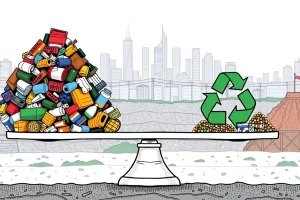
Corporate responsibility is equally important. Companies should adopt robust due diligence processes to trace mineral supply chains and ensure they are free from human rights abuses and environmental harm. Certification schemes, such as the Initiative for Responsible Mining Assurance (IRMA), provide standards for responsible sourcing. Technological innovation can also reduce risks: improved recycling of batteries and electronics can lower demand for virgin minerals, while advancements in mining technology can minimize environmental footprints. Finally, diversifying supply sources and investing in alternative materials can reduce pressure on high-risk regions.
Data Limitations and Uncertainties
One of the major challenges in managing the risks of energy transition minerals is the lack of reliable, comprehensive data. Many mining operations, particularly artisanal and small-scale mines, operate informally with little to no documentation of their environmental or social impacts. Supply chains are often opaque, making it difficult to trace minerals from mine to end product. This lack of transparency hinders efforts to hold companies accountable and to design effective policies.
Additionally, the long-term environmental consequences of mining, such as groundwater contamination and ecosystem recovery, are not fully understood due to limited monitoring and research. The rapid pace of technological change in the energy sector also creates uncertainty about future mineral demand and the potential for substitution or recycling to alleviate pressure. These data gaps underscore the need for increased investment in research, monitoring, and supply chain transparency to better assess and mitigate risks.
FAQ
What are energy transition minerals?
Energy transition minerals are raw materials like lithium, cobalt, nickel, copper, and rare earths that are essential for manufacturing clean energy technologies such as batteries, electric vehicles, wind turbines, and solar panels.
What are the main environmental risks of mining these minerals?
Key environmental risks include water depletion and contamination, habitat destruction, soil erosion, toxic waste generation, and greenhouse gas emissions from mining and processing operations.
How can the social risks of mineral extraction be mitigated?
Mitigation strategies include enforcing labor laws, eliminating child labor, ensuring community consent and benefit-sharing, improving supply chain transparency, and supporting responsible sourcing certifications.
References
- International Energy Agency (IEA), 'The Role of Critical Minerals in Clean Energy Transitions'
- United Nations Environment Programme (UNEP), 'Mineral Resource Governance in the 21st Century'
- World Bank, 'Minerals for Climate Action: The Mineral Intensity of the Clean Energy Transition'