In brief
At a glance
Quick Facts
- Verdict
- Promising
- Problem addressed
- Carbon emissions from building materials and construction processes
- Evidence strength
- Moderate
- Potential scale
- Global
- Relative cost
- Moderate
- Time to impact
- Years
Quick verdict
Addressing embodied carbon in buildings is a critical and increasingly viable strategy for reducing the construction sector’s climate impact. While operational carbon has historically dominated green building efforts, embodied carbon—the emissions associated with materials and construction processes—can account for a significant share of a building’s lifetime carbon footprint, especially as buildings become more energy-efficient. The evidence base is growing, with established methodologies and a range of proven reduction measures, though data quality and standardization remain challenges. Overall, reducing embodied carbon is a promising and necessary complement to operational carbon reductions, but it requires careful material selection, supply chain engagement, and policy support to achieve its full potential.
Problem addressed
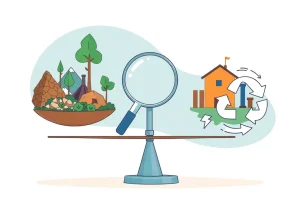
Embodied carbon refers to the greenhouse gas emissions arising from the manufacturing, transportation, installation, maintenance, and disposal of building materials. Unlike operational carbon, which is emitted during the use of a building (e.g., from heating, cooling, and lighting), embodied carbon is locked in as soon as a building is constructed. For new buildings, embodied carbon can represent a substantial portion of the total carbon footprint over the building’s life cycle, particularly as operational energy efficiency improves and grids decarbonize. The problem is acute because the built environment is responsible for approximately 40% of global energy-related carbon emissions, and construction materials like concrete and steel are among the most carbon-intensive industrial products. Without intervention, embodied carbon from new construction between now and 2050 could consume a significant share of the remaining carbon budget to limit global warming to 1.5°C.
How the solution works
Reducing embodied carbon involves a combination of strategies applied across the building life cycle. These include:
- Material selection: Choosing low-carbon alternatives such as timber, recycled steel, or low-carbon concrete mixes that use supplementary cementitious materials (e.g., fly ash, slag) to replace a portion of carbon-intensive Portland cement.
- Design optimization: Using less material through efficient structural design, reducing waste, and designing for adaptability and deconstruction to extend building lifespans and enable material reuse.
- Supply chain improvements: Sourcing materials locally to reduce transportation emissions, and working with manufacturers that use renewable energy and carbon capture technologies.
- Construction practices: Minimizing on-site waste, using electric or low-emission construction equipment, and optimizing logistics.
- Carbon sequestration: Using materials that store biogenic carbon, such as timber, or incorporating carbonation of concrete.
- Life cycle assessment (LCA): Quantifying embodied carbon through standardized methodologies to inform design decisions and track progress.
The solution is not a single technology but a framework of practices and tools that collectively lower the carbon intensity of building materials and processes.
Evidence strength
The evidence base for embodied carbon reduction is moderate and growing. Numerous life cycle assessment studies have quantified the embodied carbon of common building materials and whole buildings, providing benchmarks and comparative data. For example, research consistently shows that concrete and steel have high embodied carbon (typically 0.1–0.2 kgCO₂e per kg for concrete and 1.5–3 kgCO₂e per kg for steel, depending on recycled content and production method), while timber can be carbon-negative if sourced sustainably. However, data quality varies: many LCA databases rely on industry averages rather than product-specific environmental product declarations (EPDs), and there is a lack of transparency in supply chains. The effectiveness of reduction strategies is well-documented in case studies, but large-scale empirical evidence on the actual carbon savings achieved in practice is still limited. Methodologies like the RICS Whole Life Carbon Assessment and the EU’s Level(s) framework are helping to standardize measurement, but adoption is not yet universal. The Intergovernmental Panel on Climate Change (IPCC) and the World Green Building Council have highlighted the importance of addressing embodied carbon, lending scientific credibility to the approach.
Potential scale
The potential scale of embodied carbon reduction is global, as the construction and operation of buildings account for a large share of worldwide emissions. The World Green Building Council estimates that embodied carbon makes up about 11% of global energy-related carbon emissions. If all new buildings were designed with low-embodied-carbon principles, the cumulative savings could be on the order of several gigatons of CO₂ by 2050. However, scaling is constrained by the availability of low-carbon materials, the pace of building stock turnover (only about 1-2% of the building stock is new each year in developed countries), and the need for retrofitting existing buildings. The greatest near-term potential lies in new construction in rapidly urbanizing regions, where material demand is highest. Retrofitting and material reuse can also address embodied carbon in existing buildings, but the scale of impact is harder to quantify. Policy measures, such as embodied carbon limits in building codes, could significantly accelerate adoption, but such regulations are still rare globally.
Cost considerations
The cost of reducing embodied carbon varies widely depending on the strategy. Some measures, such as design optimization and material efficiency, can reduce both carbon and cost, yielding a negative abatement cost. For example, using less concrete through better structural design can lower material expenses. Other strategies, like specifying low-carbon concrete or mass timber, may carry a cost premium of 0–10% compared to conventional materials, though this premium is expected to shrink as markets mature. Carbon capture and storage in cement production remains expensive and not yet widely commercialized. Overall, the cost-effectiveness of embodied carbon reduction is favorable when considering the social cost of carbon, but upfront cost premiums can be a barrier without policy incentives or client demand. Life cycle cost analyses often show that low-embodied-carbon buildings are cost-competitive over their lifespan due to material efficiency and potential regulatory compliance benefits.
Implementation time
Reducing embodied carbon can begin immediately in the design phase of a project, with results realized as soon as the building is constructed. For new buildings, the time to impact is the construction period, typically 1–3 years. For existing buildings, embodied carbon can be addressed through material reuse during renovations, but the opportunities are more limited and spread over longer timeframes. Policy measures, such as embodied carbon limits in building codes, can take years to develop and implement, but voluntary action by developers and designers can yield near-term reductions. The full impact of embodied carbon reduction strategies will accumulate over decades as the building stock turns over and low-carbon materials become mainstream.
Environmental benefits
The primary environmental benefit of reducing embodied carbon is the direct reduction of greenhouse gas emissions from material production and construction. This contributes to climate change mitigation and helps meet national and international emission reduction targets. Additionally, strategies like using timber can promote sustainable forestry and carbon sequestration, while reducing demand for virgin steel and concrete can lower other environmental impacts such as resource depletion, air pollution, and water use. However, the net environmental benefit depends on the specific materials and practices adopted; for example, increased use of timber must be balanced against deforestation risks and the need for certified sustainable sources. Quantified benefits: a typical low-embodied-carbon building can achieve a 20–40% reduction in upfront embodied carbon compared to a conventional building, with some case studies reporting up to 70% reduction through optimized design and material selection.
Social and economic co-benefits
Reducing embodied carbon can stimulate innovation in the construction materials industry, creating new markets for low-carbon products and green jobs. It can also lead to healthier buildings by reducing the use of high-emission materials that may contain toxic substances. For communities, using local and natural materials can support local economies and preserve traditional building skills. Additionally, buildings designed for deconstruction and material reuse can reduce waste and lower future renovation costs. On a broader scale, mitigating climate change through embodied carbon reduction helps avoid the social and economic damages associated with global warming, such as extreme weather events and health impacts.
Risks and unintended consequences
One risk is the potential for “carbon leakage,” where emissions are merely shifted to other countries or sectors rather than reduced globally. For example, if a country imposes strict embodied carbon regulations, production of carbon-intensive materials might move to regions with weaker rules. There is also a risk of “burden shifting,” where reducing embodied carbon leads to increased operational carbon or other environmental impacts (e.g., using more insulation to compensate for a low-embodied-carbon but less durable material). Over-reliance on biogenic carbon storage in timber could lead to unsustainable forestry practices if not properly certified. Additionally, focusing solely on embodied carbon might divert attention from the equally important need to reduce operational carbon in existing buildings. Finally, the complexity of life cycle assessment can lead to inconsistent results and greenwashing if not rigorously applied.
Where it works best
Embodied carbon reduction is most effective in new construction projects where material choices and design decisions can be optimized from the start. It is particularly impactful in building types with high material intensity, such as large commercial and industrial structures, and in regions with carbon-intensive electricity grids, where operational carbon savings are harder to achieve. It also works well in markets with strong green building certification systems (e.g., BREEAM, LEED) that reward embodied carbon reductions, and where there is access to low-carbon materials like mass timber or recycled steel. Policy environments that mandate whole-life carbon assessments, such as the Netherlands and France, create favorable conditions for implementation.
Where it may not work
Embodied carbon reduction may be less effective or harder to implement in regions with limited access to low-carbon materials, where conventional concrete and steel dominate due to low cost and availability. In seismic zones, for example, the structural performance requirements may limit the use of alternative materials like timber. For existing buildings, the opportunities to reduce embodied carbon are often limited to renovation and material reuse, which can be complex and costly. In developing countries with rapid urbanization, the priority may be to provide affordable housing quickly, and low-embodied-carbon solutions may be perceived as too expensive or technically challenging without international support. Additionally, in buildings with very long lifespans, operational carbon may still dominate the life cycle, making embodied carbon a secondary concern.
Comparison with alternatives
The main alternative to focusing on embodied carbon is to prioritize operational carbon reductions through energy efficiency and renewable energy. Both are essential, and they are complementary rather than mutually exclusive. Operational carbon reductions have a longer track record, more established policies, and often shorter payback periods. However, as buildings become more efficient and grids decarbonize, the relative importance of embodied carbon grows. Another alternative is carbon offsetting, but this is generally considered less robust than direct emission reductions because of concerns about additionality and permanence. Compared to these, embodied carbon reduction addresses emissions at the source and can be integrated into standard design and construction practices. A holistic approach that combines operational and embodied carbon reductions, often called “whole-life carbon” management, is increasingly recognized as best practice.
Case studies
Several real-world projects demonstrate the feasibility and benefits of reducing embodied carbon:
- The Bullitt Center, Seattle, USA: A six-story office building that used FSC-certified timber, reduced concrete by 40% through optimized design, and achieved a 30% reduction in embodied carbon compared to a typical office building. It also meets the Living Building Challenge.
- Enterprise Centre, University of East Anglia, UK: This building used locally sourced thatch, timber, and clay, achieving a 70% reduction in embodied carbon compared to a conventional university building. It was constructed with a target of 100-year lifespan and designed for disassembly.
- Mjøstårnet, Brumunddal, Norway: An 18-story timber tower that used cross-laminated timber (CLT) and glulam, storing an estimated 2,000 tonnes of CO₂ in the wood structure. The project demonstrated that tall timber buildings can significantly reduce embodied carbon while meeting structural and fire safety requirements.
- The Kendeda Building, Atlanta, USA: A Living Building that used salvaged materials, mass timber, and low-carbon concrete, achieving a 50% reduction in embodied carbon compared to a baseline building. The project also incorporated on-site renewable energy and water systems.
These case studies illustrate that significant embodied carbon reductions are achievable with current technology and design practices, though they often require a committed client and design team.
Final assessment
Reducing embodied carbon in buildings is a necessary and increasingly practical component of climate action in the built environment. The evidence supports its effectiveness, and the range of available strategies—from material selection to design optimization—offers multiple pathways to lower emissions. While challenges remain in data quality, cost, and scalability, the trend is toward greater adoption driven by policy, market demand, and industry innovation. For new construction in regions with access to low-carbon materials and strong regulatory frameworks, prioritizing embodied carbon is a high-impact, cost-effective strategy. For existing buildings and in contexts where operational carbon still dominates, a balanced whole-life carbon approach is most appropriate. Overall, embodied carbon reduction is a proven concept with significant potential, but its success depends on continued standardization, supply chain transformation, and integration with broader sustainability goals.
FAQ
What is the difference between embodied carbon and operational carbon?
Embodied carbon refers to the greenhouse gas emissions associated with the production, transportation, installation, maintenance, and disposal of building materials. Operational carbon refers to the emissions from the energy used to operate a building, such as heating, cooling, lighting, and appliances. While operational carbon occurs over the building's lifetime, embodied carbon is largely emitted before the building is even occupied. Both are important, but as buildings become more energy-efficient, embodied carbon can account for a larger share of the total carbon footprint.
How is embodied carbon measured?
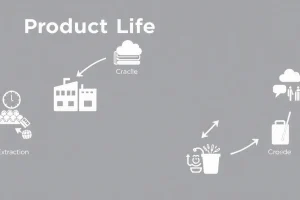
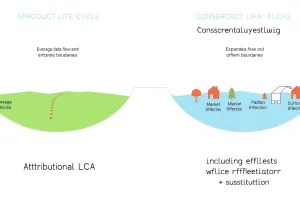
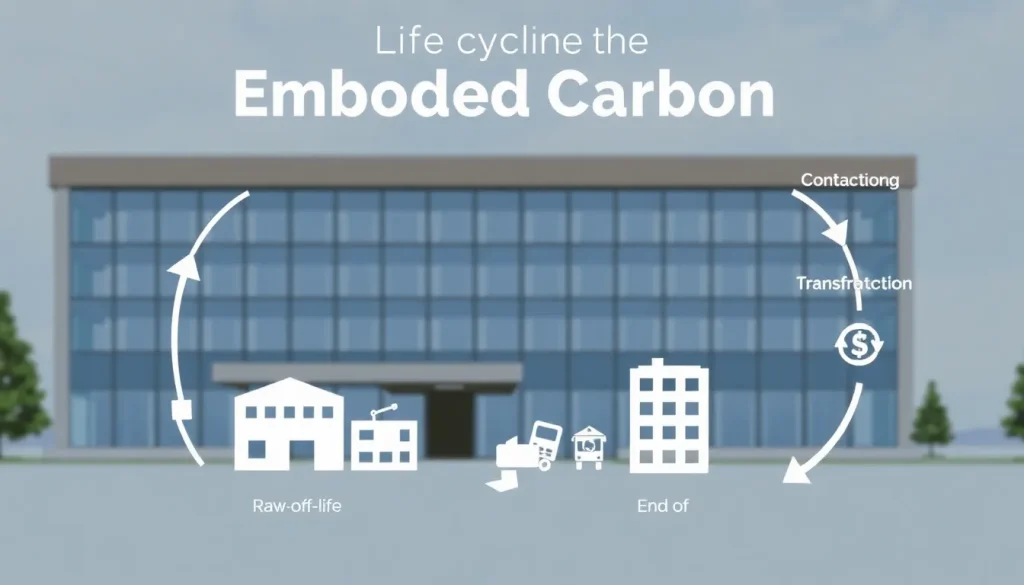
Embodied carbon is typically measured using life cycle assessment (LCA) methodologies, which quantify the environmental impacts of a product or building over its entire life cycle. The assessment includes stages from raw material extraction (A1-A3), transportation (A4), construction (A5), use (B1-B5), and end-of-life (C1-C4). Data sources include environmental product declarations (EPDs) for specific materials and generic databases. Standards such as EN 15978 and ISO 14044 provide guidelines for conducting whole-building LCAs. The results are usually expressed in kilograms of CO₂ equivalent per square meter of floor area.
What are the most effective ways to reduce embodied carbon in buildings?
The most effective strategies include: (1) using less material through efficient structural design and optimization; (2) selecting low-carbon materials such as timber, recycled steel, or low-carbon concrete; (3) designing for adaptability and deconstruction to extend building lifespans and enable material reuse; (4) sourcing materials locally to reduce transportation emissions; and (5) specifying materials with third-party verified EPDs to ensure accurate carbon data. A combination of these approaches, integrated early in the design process, can achieve reductions of 20–70% compared to conventional construction.
References
- IPCC, Sixth Assessment Report, Working Group III, Chapter 9: Buildings.
- World Green Building Council, 'Bringing Embodied Carbon Upfront' report.
- RICS, 'Whole Life Carbon Assessment for the Built Environment'.
- Carbon Leadership Forum, Embodied Carbon Benchmarking Data.
- European Commission, Level(s) framework for sustainable buildings.