In brief
At a glance
Quick Facts
- Definition
- Harmful algal blooms (HABs) are rapid increases in algae populations that produce toxins harmful to humans, animals, and ecosystems.
- Toxin types
- Cyanotoxins (e.g., microcystins, anatoxins) in freshwater and marine toxins (e.g., saxitoxins, brevetoxins) in oceans.
- Primary producers
- Cyanobacteria (blue-green algae), dinoflagellates, and diatoms are the main toxin-producing groups.
- Ecological role
- Toxins may deter grazers, inhibit competitors, or be metabolic byproducts under stress.
- Human health risks
- Exposure can cause liver damage, neurotoxicity, skin irritation, and respiratory issues.
- Environmental triggers
- High nutrient levels (nitrogen, phosphorus), warm temperatures, calm water, and sunlight promote toxin production.
- Economic impact
- Fisheries, tourism, and drinking water supplies can suffer losses in the hundreds of millions of dollars annually.
- Global occurrence
- Toxic blooms are found in freshwater and marine environments on every continent.
Key Takeaways
- Algal blooms produce toxins primarily as a defense mechanism against grazers or as secondary metabolites under stress.
- Not all algal blooms are toxic; toxicity depends on the species present and environmental conditions.
- Toxins can have severe impacts on aquatic ecosystems, human health, and local economies.
- Understanding the drivers of toxin production is crucial for predicting and mitigating harmful algal blooms.
What Is Why Some Algal Blooms Produce Toxins?
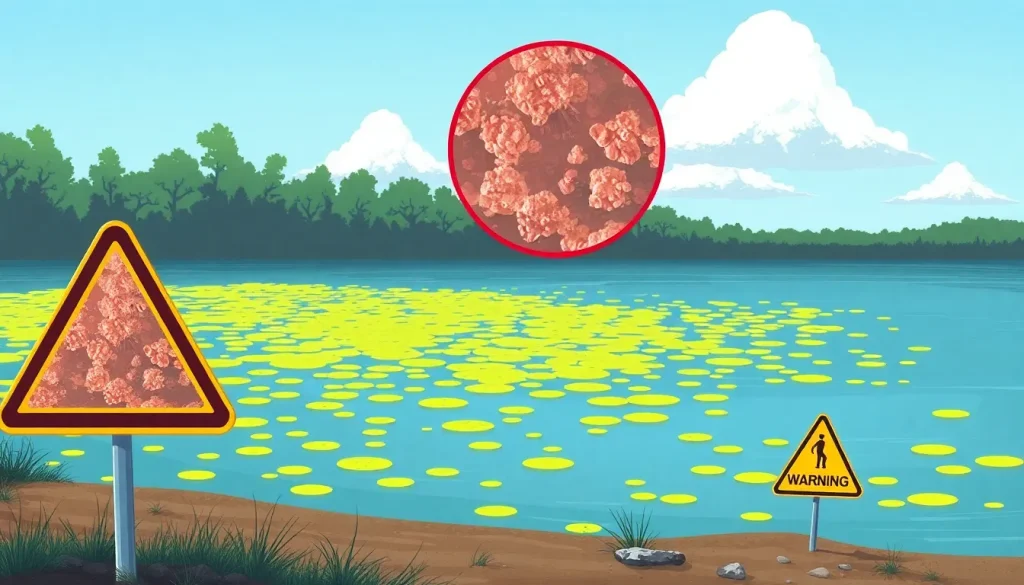
Why some algal blooms produce toxins refers to the biological and environmental reasons behind the synthesis of harmful compounds by certain algae during rapid population increases, known as blooms. Algal blooms are dense accumulations of microscopic algae or cyanobacteria in water bodies, often visible as green, red, or brown scums. While many blooms are harmless, a subset—termed harmful algal blooms (HABs)—produce potent toxins that can poison aquatic life, contaminate drinking water, and cause illness in humans and animals. The production of these toxins is not universal among algae; it is a trait found in specific species and strains, and its expression is influenced by a complex interplay of genetic, ecological, and environmental factors.
At its core, toxin production is an evolutionary adaptation. For cyanobacteria (commonly called blue-green algae) and certain marine algae like dinoflagellates and diatoms, toxins serve various ecological functions. They may deter grazing by zooplankton, inhibit competing algae, or act as a defense against viruses and bacteria. In some cases, toxins are byproducts of metabolic processes that become concentrated when cells die and rupture. The question of why some blooms produce toxins is thus a question about the ecological roles of these compounds and the environmental conditions that trigger their synthesis. Understanding these mechanisms is vital for predicting bloom toxicity and protecting public health and ecosystems.
Overview
Algal blooms are a natural phenomenon in aquatic ecosystems, but human activities have dramatically increased their frequency and intensity. Nutrient pollution from agriculture, wastewater, and industrial runoff enriches water bodies with nitrogen and phosphorus, fueling excessive algal growth. When conditions are favorable—warm temperatures, calm water, and abundant sunlight—certain algae can multiply rapidly, forming blooms. Among the thousands of algal species, only a few dozen are known to produce toxins. These include cyanobacteria (e.g., Microcystis, Anabaena, Cylindrospermopsis) in freshwater, and dinoflagellates (e.g., Alexandrium, Karenia) and diatoms (e.g., Pseudo-nitzschia) in marine environments.
The toxins they produce vary widely in structure and effect. Common cyanotoxins include microcystins (liver toxins), anatoxins (neurotoxins), and cylindrospermopsin (cytotoxin). Marine toxins include saxitoxins (paralytic shellfish toxins), brevetoxins (neurotoxic shellfish toxins), and domoic acid (amnesic shellfish toxin). These compounds can accumulate in the food web, affecting shellfish, fish, marine mammals, and humans who consume contaminated seafood or water. The global distribution of toxic blooms has expanded, with reports from every continent, making it a pressing environmental and public health issue.
How It Works
Toxin production in algae is a complex process governed by genetics and triggered by environmental cues. The genes responsible for toxin synthesis are often clustered in the algal genome and can be switched on or off in response to external conditions. For example, in cyanobacteria, the mcy gene cluster encodes enzymes for microcystin production. Expression of these genes is influenced by factors such as light intensity, temperature, and nutrient availability. When conditions are optimal for growth but stressful in other ways—such as high light or nutrient limitation—toxin production may increase as a protective response.
The ecological functions of these toxins are diverse:
- Defense against grazers: Many toxins deter zooplankton from feeding on the algae, giving the bloom a competitive advantage. For instance, microcystins can be lethal to Daphnia, a common freshwater grazer.
- Allelopathy: Some algae release toxins to inhibit the growth of competing phytoplankton species, securing more resources for themselves.
- Stress response: Toxin production can be a byproduct of oxidative stress or a way to store excess carbon and nitrogen under unbalanced nutrient conditions.
- Signaling: Certain toxins may act as infochemicals, mediating interactions within the algal population or with other organisms.
It is important to note that not all strains of a toxic species produce toxins. Genetic variability means that some strains are non-toxic, and even toxic strains may not produce toxins under all conditions. This variability complicates bloom prediction and risk assessment.
Main Causes or Drivers
The primary drivers of toxin production during algal blooms are environmental factors that influence both bloom formation and toxin synthesis. The most critical factor is nutrient enrichment, particularly nitrogen and phosphorus. High nutrient levels promote rapid algal growth, but the ratio of nitrogen to phosphorus can also affect toxin production. For example, microcystin production in Microcystis often increases under high nitrogen conditions, while phosphorus limitation may trigger toxin production in some species as a stress response.
Other key drivers include:
- Temperature: Warmer water temperatures accelerate algal metabolism and can upregulate toxin genes. Many toxic cyanobacteria thrive in temperatures above 25°C (77°F).
- Light: High light intensity can induce oxidative stress, prompting increased toxin production as a protective mechanism. Conversely, low light may reduce toxin synthesis.
- Water column stability: Calm, stratified water allows buoyant cyanobacteria to form surface scums, concentrating toxins and exposing them to high light.
- pH and carbon dioxide: Elevated pH and low CO₂ levels, often caused by intense photosynthesis, can stress cells and enhance toxin production.
- Grazing pressure: The presence of zooplankton can induce higher toxin production as an inducible defense.
Climate change is exacerbating many of these drivers by increasing water temperatures, altering precipitation patterns, and intensifying nutrient runoff from storms. This is expected to increase the frequency and toxicity of harmful algal blooms globally.
Environmental and Human Impacts
Toxic algal blooms have far-reaching consequences for ecosystems and society. In aquatic environments, toxins can kill fish, shellfish, and other organisms directly or through oxygen depletion when blooms decay. They can disrupt food webs by eliminating sensitive grazers and favoring toxin-resistant species. Marine mammals, seabirds, and turtles can suffer mass mortalities after consuming contaminated prey. For example, domoic acid produced by Pseudo-nitzschia has caused large-scale die-offs of sea lions along the Pacific coast of North America.
Human health impacts arise from exposure through drinking water, recreational contact, or consumption of contaminated seafood. Acute symptoms include skin rashes, gastrointestinal illness, respiratory irritation, and neurological effects. Chronic exposure to low levels of microcystins has been linked to liver damage and potentially cancer. In 1996, a severe outbreak in Caruaru, Brazil, resulted in dozens of deaths when dialysis patients were exposed to microcystin-contaminated water. Economic costs are substantial, including lost fisheries revenue, increased water treatment expenses, reduced tourism, and healthcare costs. The U.S. alone experiences estimated annual losses in the hundreds of millions of dollars due to harmful algal blooms.
Common Misconceptions
Several misconceptions surround toxic algal blooms. One is that all algal blooms are toxic. In reality, the vast majority of blooms are harmless, and even blooms of potentially toxic species may not produce toxins. Another misconception is that toxins are always visible; many toxins are colorless and odorless, so clear water can still be contaminated. Boiling water does not remove algal toxins and may actually concentrate them by killing cells and releasing intracellular toxins. It is also incorrect to assume that only green scums are dangerous—toxic blooms can appear red, brown, or blue-green, and some are not visible at the surface. Finally, some believe that algal toxins are a modern problem, but historical records show that toxic blooms have occurred for centuries, though human activities have amplified them.
Solutions
Addressing toxic algal blooms requires a combination of prevention, monitoring, and mitigation. The most effective long-term strategy is reducing nutrient inputs into water bodies. This involves improving agricultural practices to minimize fertilizer runoff, upgrading wastewater treatment plants, and managing stormwater. Buffer zones, constructed wetlands, and cover crops can help intercept nutrients before they reach waterways.
Monitoring and early warning systems are essential for protecting public health. Satellite imagery, water sampling, and molecular tools can detect blooms and toxin levels. When blooms occur, short-term measures include applying algaecides (though these can release toxins), using ultrasonic devices, or aerating water to disrupt stratification. For drinking water, advanced treatment methods such as activated carbon, ozonation, and membrane filtration can remove toxins. Public advisories and shellfish harvesting closures help prevent human exposure. Research into the genetic and environmental controls of toxin production continues to improve predictive models, enabling proactive management.
FAQ
What are algal blooms and why do some produce toxins?
Algal blooms are rapid increases in algae populations in water. Some produce toxins as a defense against grazers, to outcompete other algae, or as a stress response. Toxin production is species-specific and influenced by environmental conditions.
How do algal toxins affect human health?
Algal toxins can cause a range of health effects depending on the toxin and exposure route. Ingesting contaminated water or seafood may lead to liver damage, neurological symptoms, or gastrointestinal illness. Skin contact can cause rashes, and inhaling aerosolized toxins can irritate the respiratory system.
What can be done to prevent toxic algal blooms?
Prevention focuses on reducing nutrient pollution from sources like agriculture and wastewater. Monitoring programs, early warning systems, and water treatment can mitigate risks. Long-term solutions include better land management, buffer zones, and policies to limit nutrient runoff.
References
- World Health Organization (WHO). Guidelines for Drinking-water Quality: Cyanobacterial Toxins.
- U.S. Environmental Protection Agency (EPA). Harmful Algal Blooms.
- Intergovernmental Oceanographic Commission (IOC) of UNESCO. Harmful Algal Bloom Programme.