Why Common Species Matter as Much as Rare Species
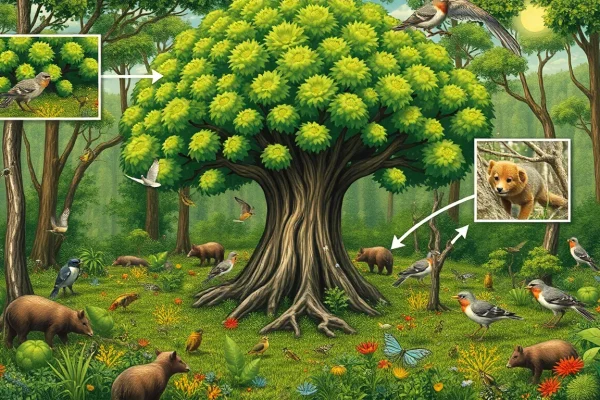
Common species, despite their abundance, are fundamental to ecosystem structure and function. They often contribute the majority of biomass, energy flow, and nutrient cycling,…
Evidence library
Research, explainers and solution analysis for understanding change across a living planet.
415 resourcesCommon species, despite their abundance, are fundamental to ecosystem structure and function. They often contribute the majority of biomass, energy flow, and nutrient cycling,…
Snow cover and ice-albedo feedback is a powerful climate process where bright snow and ice reflect solar radiation, cooling the Earth. As global temperatures…
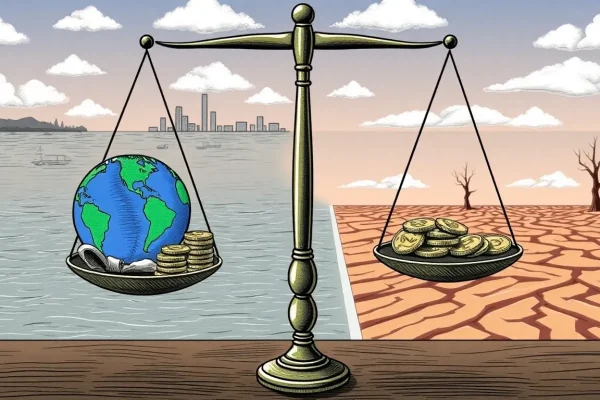
Climate reparations refer to the idea that wealthy, high-emitting nations should compensate poorer, low-emitting nations for the loss and damage caused by climate change,…
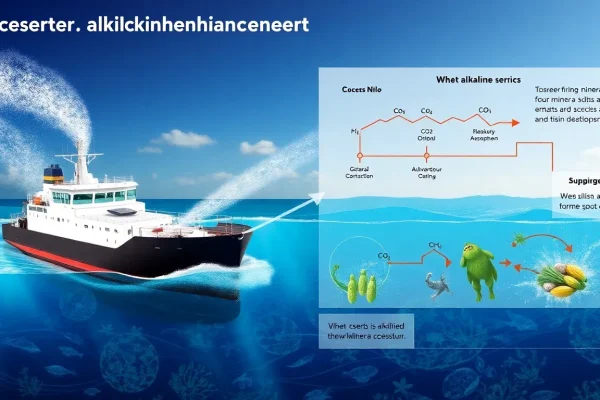
Quick verdict: Ocean alkalinity enhancement is a promising but unproven carbon removal method that could also mitigate ocean acidification. It faces significant uncertainties regarding…
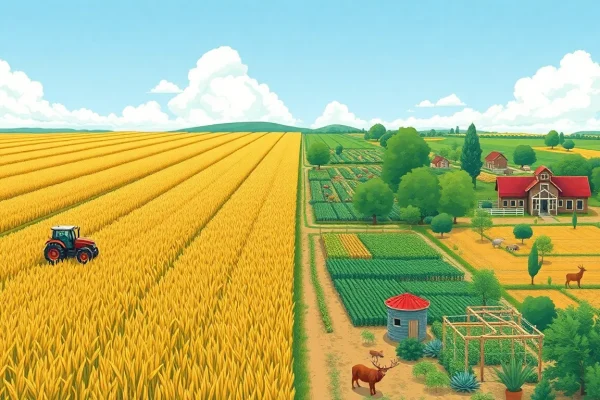
Monoculture is the agricultural practice of growing a single crop species on the same land repeatedly, while polyculture involves cultivating multiple crops together in…
Transit-Oriented Development (TOD) is a planning approach that creates compact, mixed-use communities around transit stations to reduce car dependency and promote sustainable urban growth.…
The energy transition is financed by a blend of public and private sources: governments provide subsidies, tax incentives, and direct investment; corporations and investors…
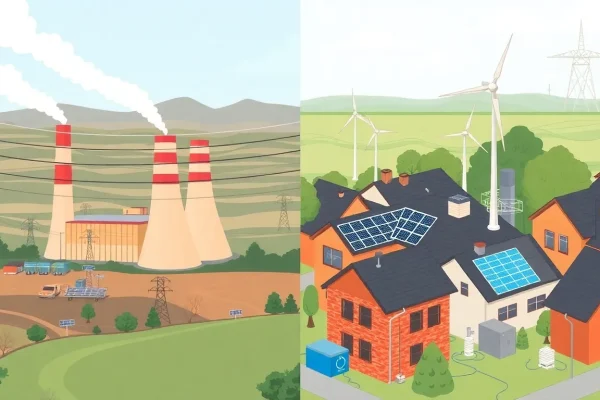
Distributed energy refers to power generation and storage systems located close to the point of use, such as rooftop solar panels or small wind…
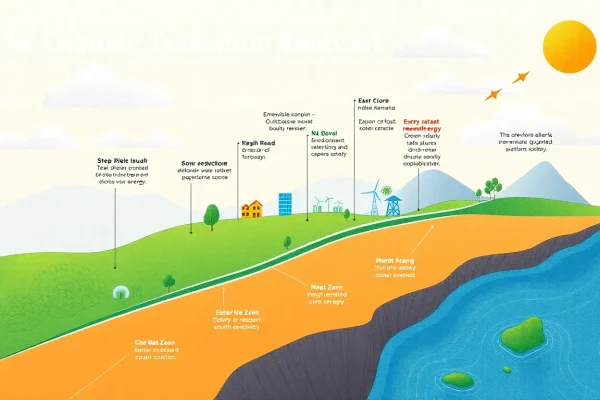
A climate transition plan is a strategic roadmap that outlines how an organization will align its operations, business model, and value chain with a…
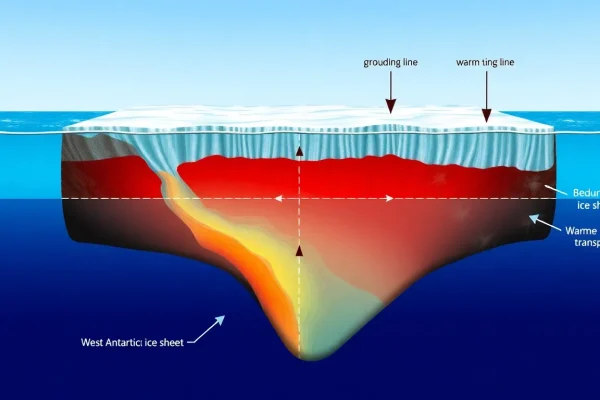
West Antarctic Ice Sheet instability refers to the potential for rapid, irreversible ice loss from the marine-based West Antarctic Ice Sheet due to its…