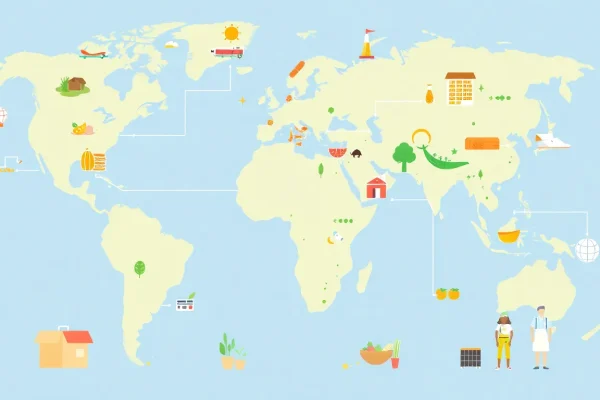
The Global Food System Explained
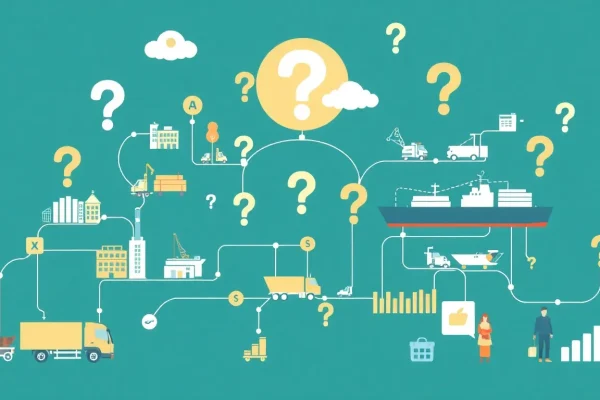
The global food system encompasses all activities and resources involved in producing, processing, distributing, consuming, and disposing of food worldwide. It is a complex…
Evidence library
Research, explainers and solution analysis for understanding change across a living planet.
417 resourcesThe global food system encompasses all activities and resources involved in producing, processing, distributing, consuming, and disposing of food worldwide. It is a complex…
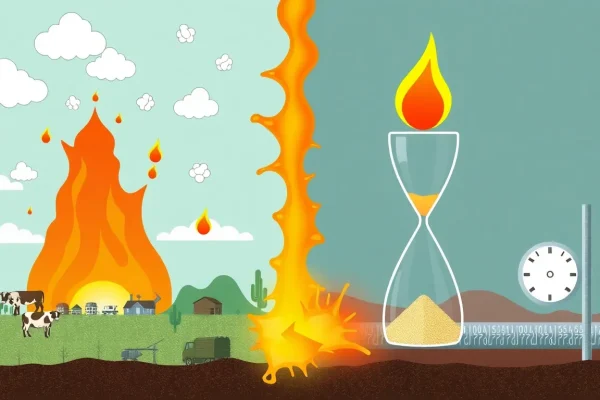
Methane is a potent greenhouse gas that traps heat far more effectively than carbon dioxide but remains in the atmosphere for only about 12…
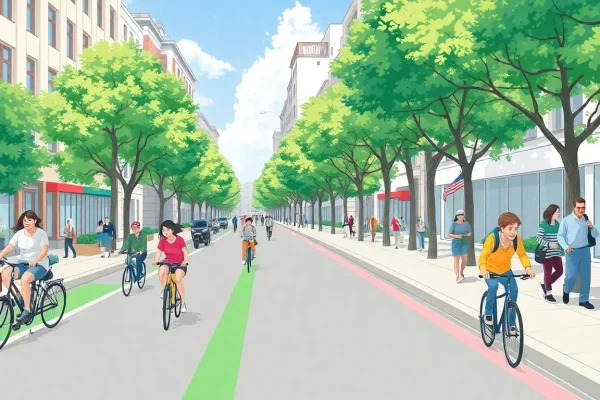
Walking and cycling are low-cost, high-impact solutions for improving public health by increasing physical activity, reducing air pollution, and enhancing mental well-being. Evidence strongly…
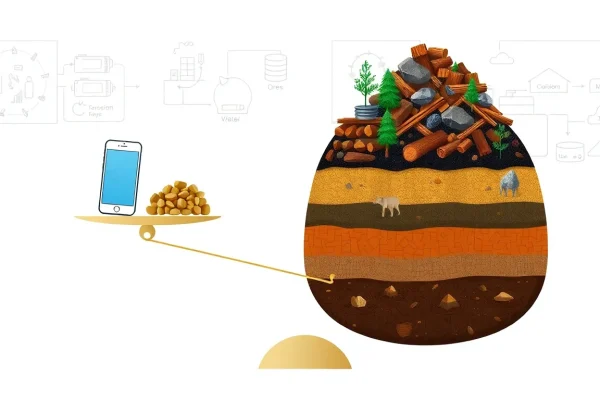
Raw Material Equivalent (RME) is a metric that quantifies the total amount of raw materials extracted from nature to produce a final product, including…
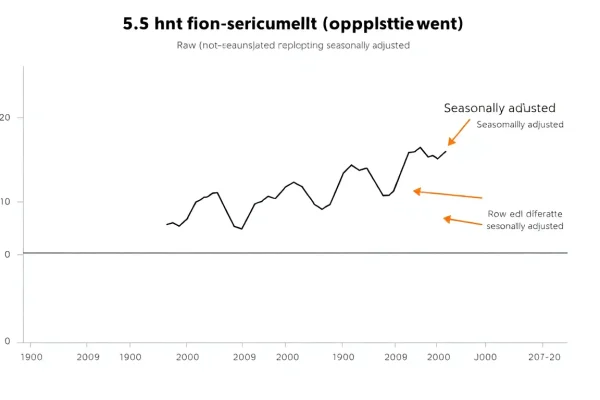
In March 2025, U.S. total nonfarm payroll employment was 159.7 million on a seasonally adjusted basis, according to the Bureau of Labor Statistics. Seasonal…
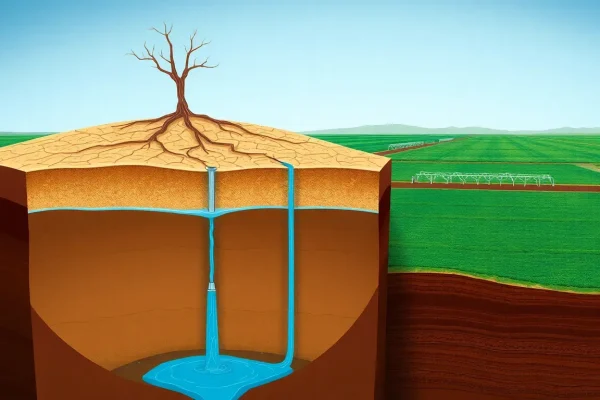
Groundwater depletion is the long-term decline in water stored in underground aquifers due to extraction exceeding natural recharge. Driven primarily by agricultural irrigation, urban…
Scope 3 emissions are indirect greenhouse gas emissions that occur in a company’s value chain, including both upstream and downstream activities. They are difficult…
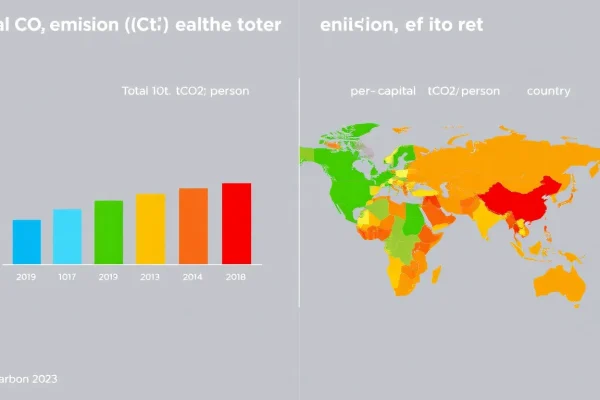
In 2022, global total CO2 emissions from fossil fuels and industry reached 36.6 GtCO2, while per-capita emissions stood at 4.7 tCO2 per person, according…
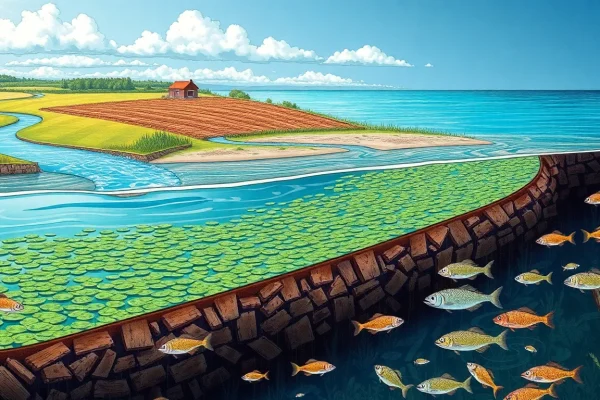
Coastal dead zones are areas of water with extremely low oxygen levels (hypoxia) caused by excessive nutrient pollution, primarily nitrogen and phosphorus from human…
Ecological economics is a transdisciplinary field that views the economy as a subsystem of the Earth's ecosystem, emphasizing that economic activity must respect biophysical…