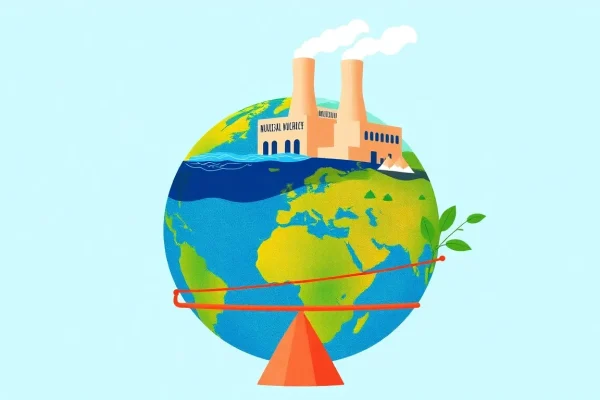
Nuclear Power and Planetary Boundaries
Nuclear power is a low-carbon energy source that can help humanity stay within the climate change planetary boundary, but it also exerts pressure on…
Evidence library
Research, explainers and solution analysis for understanding change across a living planet.
417 resourcesNuclear power is a low-carbon energy source that can help humanity stay within the climate change planetary boundary, but it also exerts pressure on…
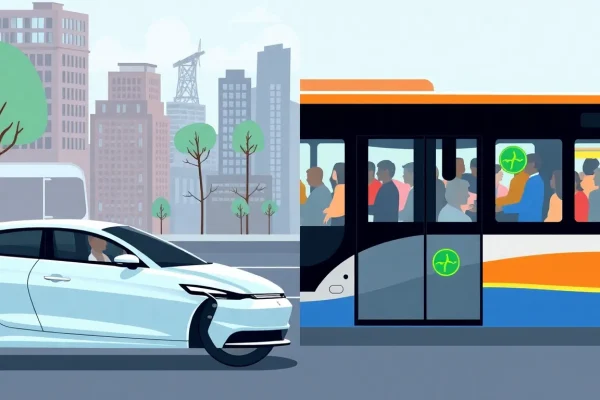
Electric cars and public transport are two key strategies for reducing transport emissions. Public transport generally offers greater efficiency and co-benefits in dense urban…
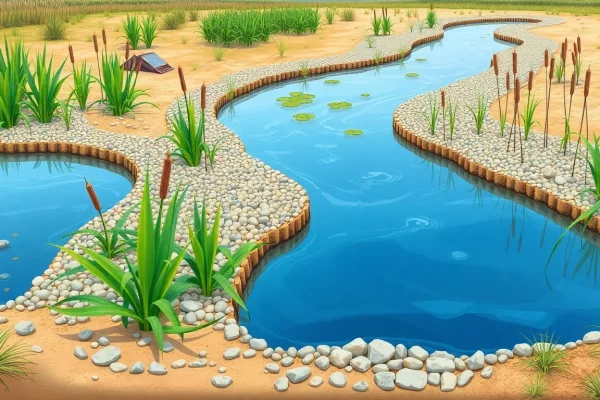
Constructed wetlands are engineered systems that use natural processes involving wetland vegetation, soils, and their associated microbial communities to remove nutrients such as nitrogen…
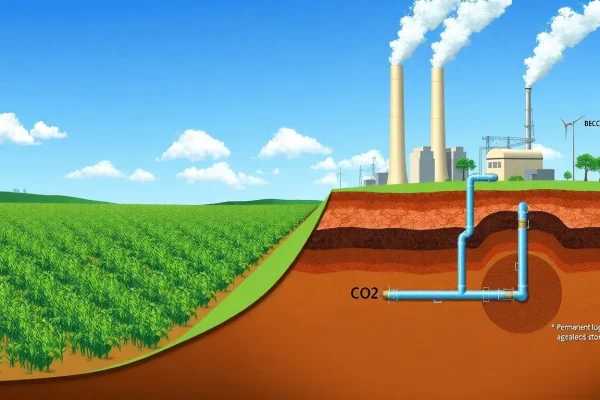
Bioenergy with carbon capture and storage (BECCS) is a carbon dioxide removal technology that combines energy generation from biomass with the capture and permanent…
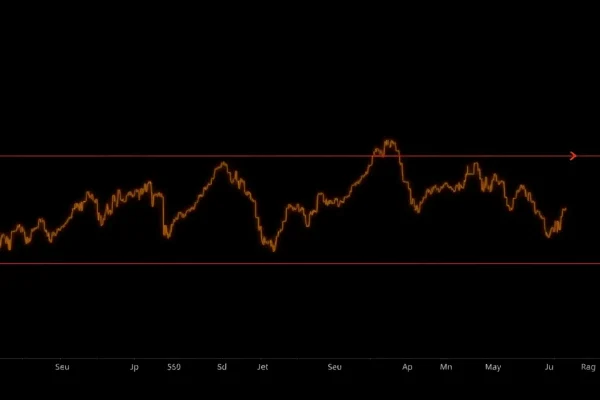
A moving average is a statistical calculation used to smooth out short-term fluctuations and highlight longer-term trends in data. As of March 7, 2025,…
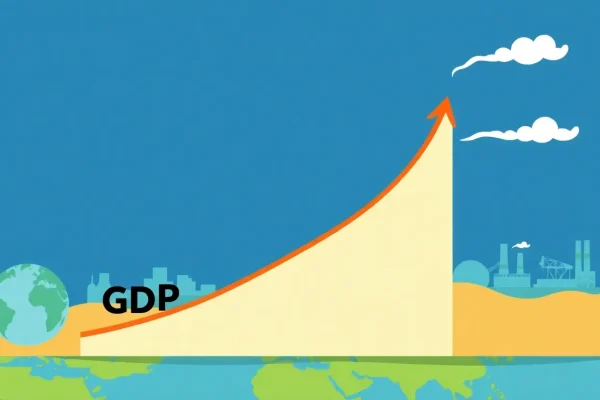
Absolute decoupling occurs when economic output (GDP) grows while total resource consumption or environmental impact declines in absolute terms. Evidence shows that while relative…
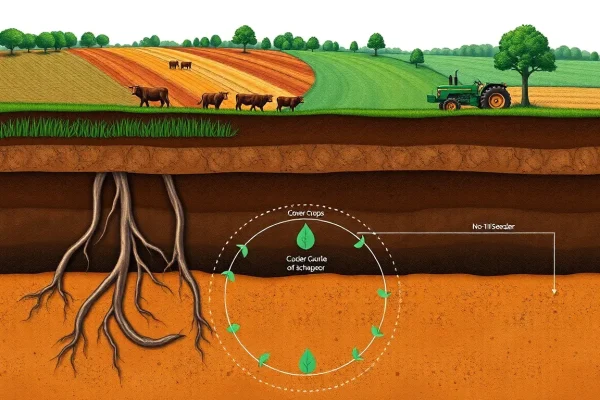
Regenerative agriculture is a holistic approach to farming and grazing that aims to restore soil health, increase biodiversity, and sequester atmospheric carbon. While its…
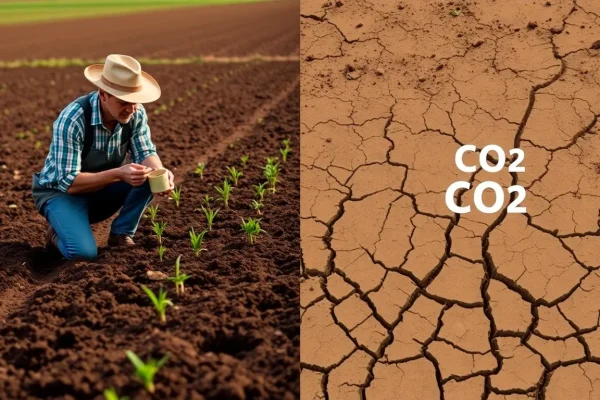
Soil carbon credits aim to offset emissions by storing carbon in agricultural soils, but face major hurdles in accurate measurement, ensuring permanence, and proving…
Key Takeaways Extinction debt is the future extinction of species that is expected to occur as a result of past or current habitat destruction…
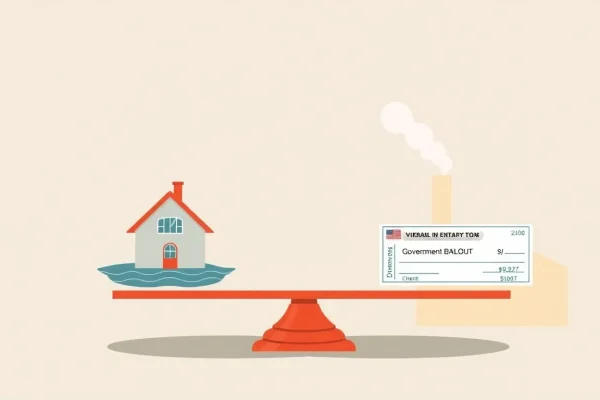
Moral hazard in climate policy arises when protections against climate risks inadvertently encourage riskier behavior, such as reduced mitigation efforts or overreliance on unproven…