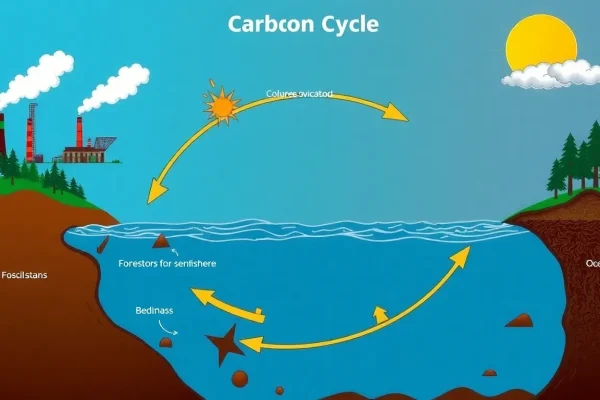
Carbon Cycle Explained: Sources, Sinks and Storage
The carbon cycle is the continuous movement of carbon among the atmosphere, oceans, land, and living organisms. Carbon sources release carbon into the atmosphere,…
Evidence library
Research, explainers and solution analysis for understanding change across a living planet.
349 resourcesThe carbon cycle is the continuous movement of carbon among the atmosphere, oceans, land, and living organisms. Carbon sources release carbon into the atmosphere,…
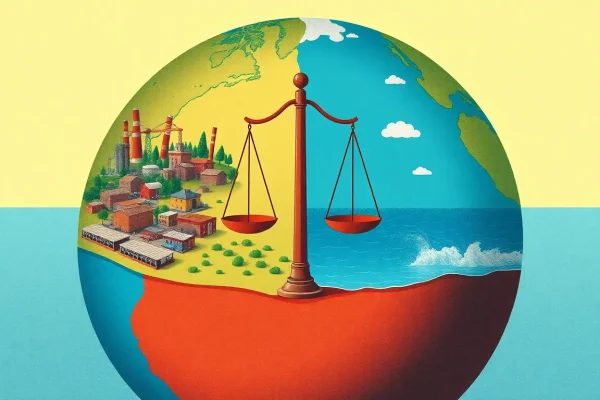
Climate justice and environmental justice are related but distinct frameworks addressing the unequal distribution of environmental benefits and burdens. Environmental justice focuses on fair…
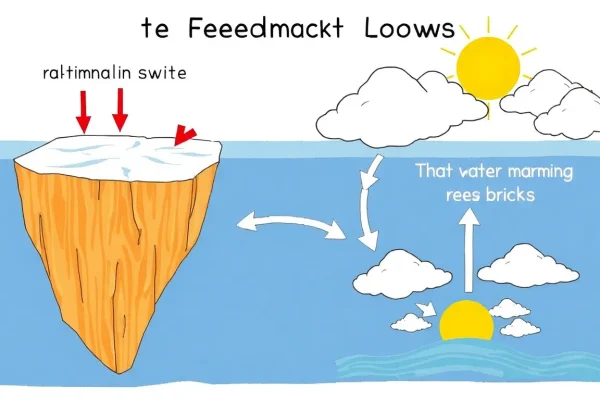
A climate feedback loop is a process in the climate system that can either amplify (positive feedback) or dampen (negative feedback) an initial change.…
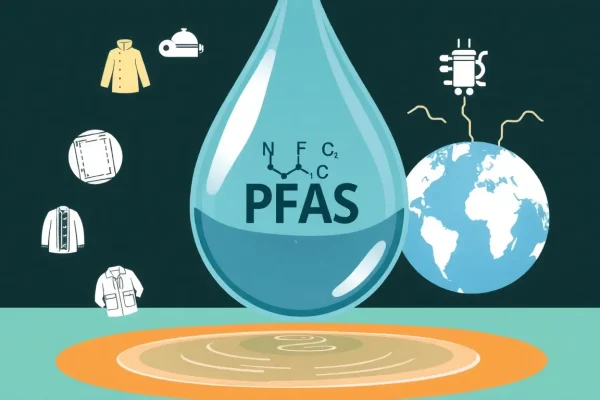
PFAS (per- and polyfluoroalkyl substances) are a large group of synthetic chemicals used since the 1940s for their water-, grease-, and stain-resistant properties. Their…
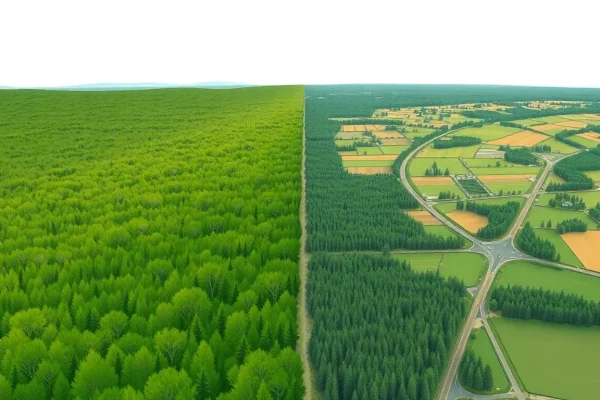
Habitat loss is the outright destruction of natural environments, while habitat fragmentation is the breaking apart of once-continuous habitat into smaller, isolated patches. Both…
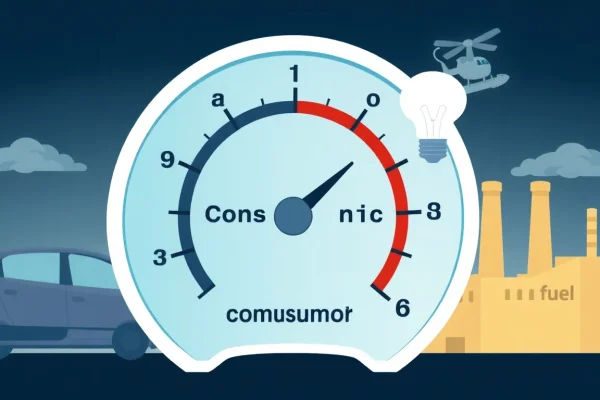
The rebound effect is the reduction in expected gains from a new technology that increases the efficiency of resource use, because of behavioral or…
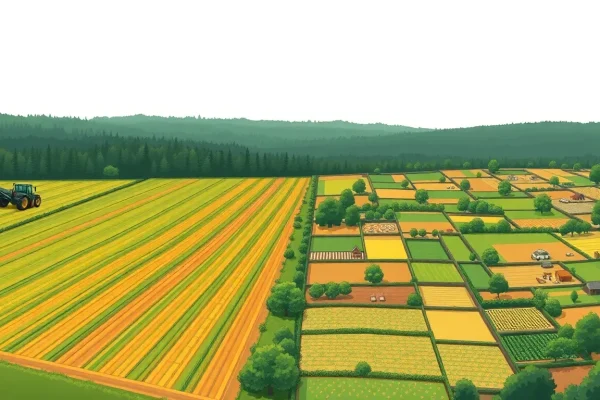
Land sparing and land sharing are two contrasting strategies for balancing agricultural production with biodiversity conservation. Land sparing involves intensifying farming on existing land…
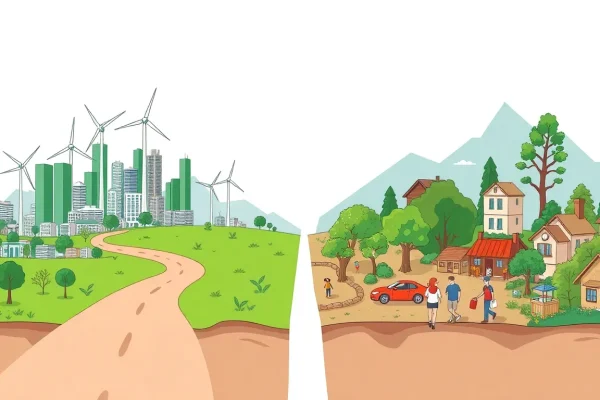
Green growth is an economic paradigm that seeks to decouple economic growth from environmental degradation through technological innovation and efficiency improvements. Degrowth, in contrast,…
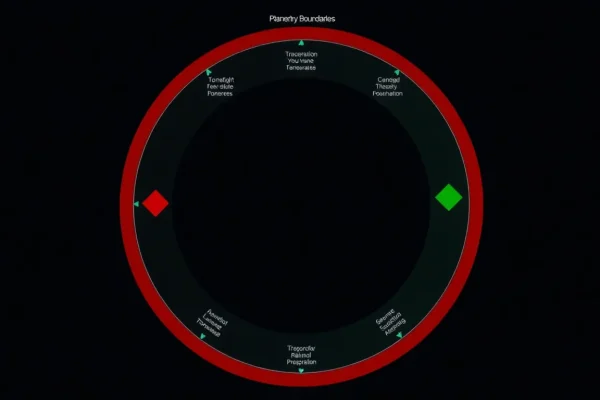
The planetary boundaries framework defines a safe operating space for humanity. As of 2023, six of nine boundaries are transgressed, raising the question of…