Nature-Based Solutions: Potential, Evidence and Trade-Offs
Learn what Nature-Based Solutions are, how they support climate adaptation, biodiversity, and human well-being, and explore their evidence, limitations, and trade-offs.
Topic archive
Guides and insights on moving toward a sustainable, low‑carbon future.
Learn what Nature-Based Solutions are, how they support climate adaptation, biodiversity, and human well-being, and explore their evidence, limitations, and trade-offs.
Learn how sustainable development can meet human needs while respecting planetary boundaries, balancing economic prosperity, social equity, and Earth-system resilience.
Learn what the circular economy is, its core principles, scientific evidence, business opportunities, environmental benefits, and real-world limitations.
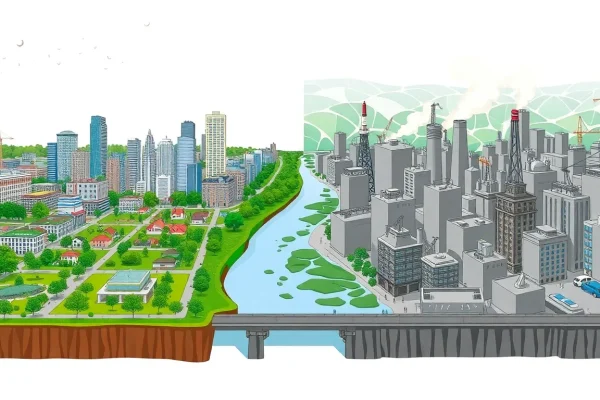
Nature-based solutions (NBS) are actions that protect, restore, or manage ecosystems to address societal challenges such as climate change, water security, and disaster risk.…
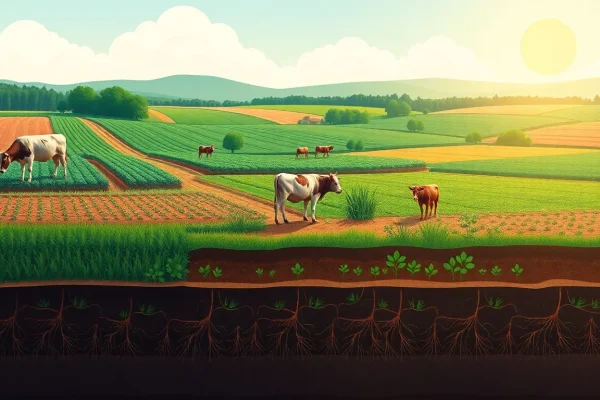
Regenerative agriculture is a holistic approach to farming and grazing that focuses on restoring soil health, increasing biodiversity, and enhancing ecosystem services. It goes…
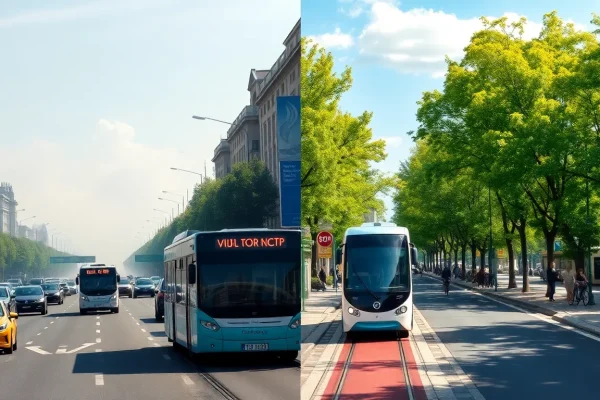
Public transport can reduce urban emissions by shifting trips from private cars to higher-occupancy modes, but its effectiveness depends on system design, ridership, and…
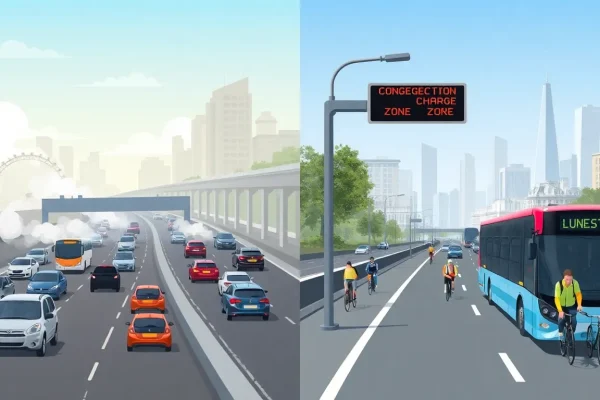
Congestion pricing is a demand-side strategy that charges drivers a fee to use congested roads or enter designated zones during peak periods. It aims…
Extended Producer Responsibility (EPR) is an environmental policy approach that makes producers responsible for the entire lifecycle of their products, especially for take-back, recycling,…
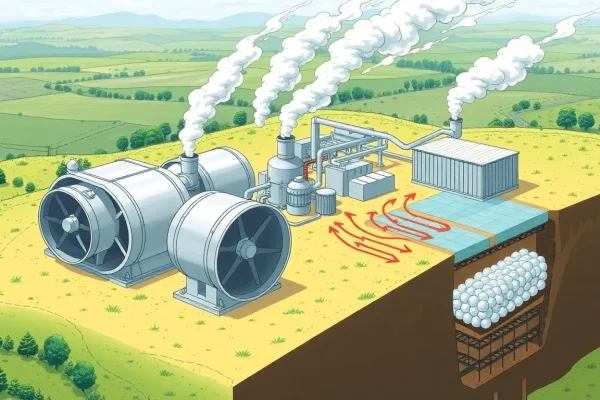
Direct air capture (DAC) is a technology that removes CO2 directly from the atmosphere. It addresses the need for negative emissions to meet climate…
Reforestation and afforestation are widely promoted nature-based solutions for carbon removal and ecosystem restoration. Reforestation—replanting trees in recently deforested areas—generally offers faster ecological recovery…