Deforestation vs Forest Degradation: Key Differences and Why They Matter
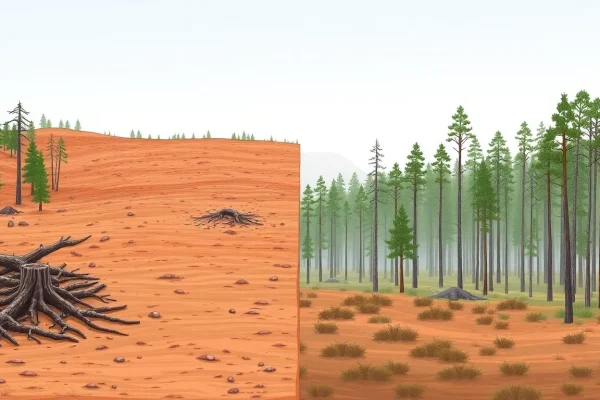
Deforestation is the permanent conversion of forest to non-forest land uses, while forest degradation is the reduction of a forest's quality and capacity to…
Evidence library
Research, explainers and solution analysis for understanding change across a living planet.
350 resourcesDeforestation is the permanent conversion of forest to non-forest land uses, while forest degradation is the reduction of a forest's quality and capacity to…
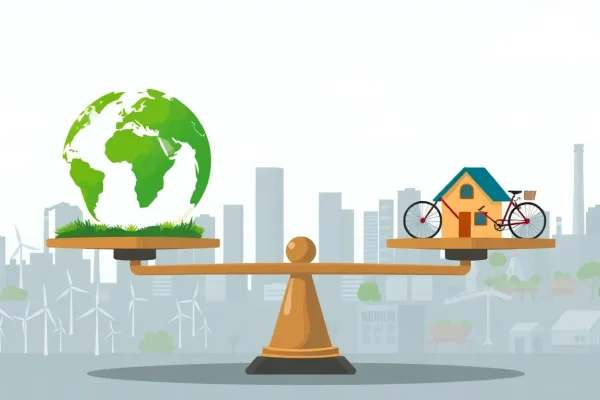
Sufficiency in sustainability policy is a strategy that aims to reduce absolute resource consumption and demand to within ecological limits. It emphasizes 'enough' rather…
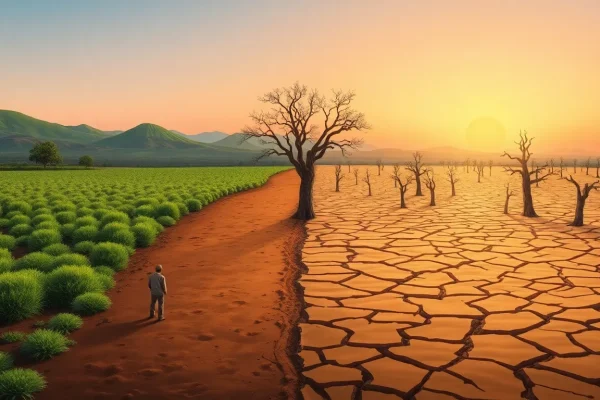
Desertification is the persistent degradation of dryland ecosystems by human activities and climatic variations, leading to the loss of biological productivity and the expansion…
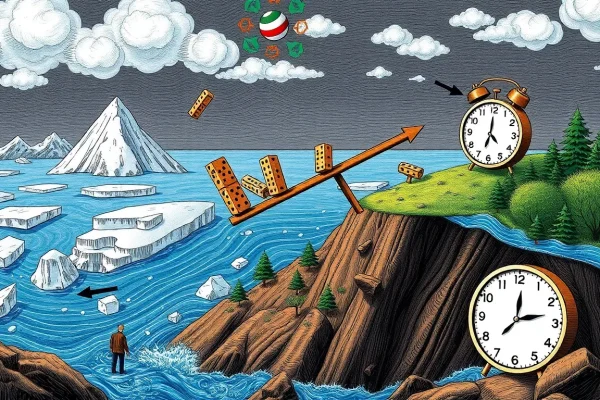
Tipping-point timelines are difficult to predict because they involve complex, non-linear systems with multiple interacting feedback loops, incomplete data, and inherent uncertainties. Small changes…
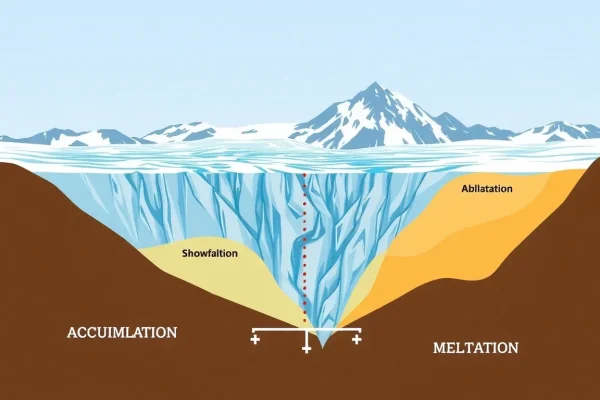
Glacier mass balance is the net gain or loss of ice on a glacier over a specific period, typically a year. It is the…
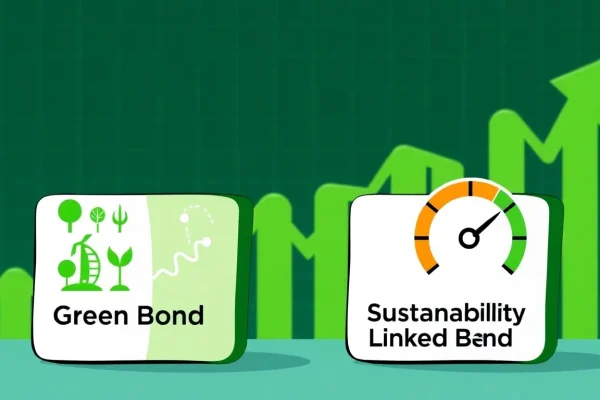
Green bonds are fixed-income instruments that earmark proceeds for environmental projects, while sustainability-linked bonds tie financial terms to the issuer's achievement of sustainability targets.…
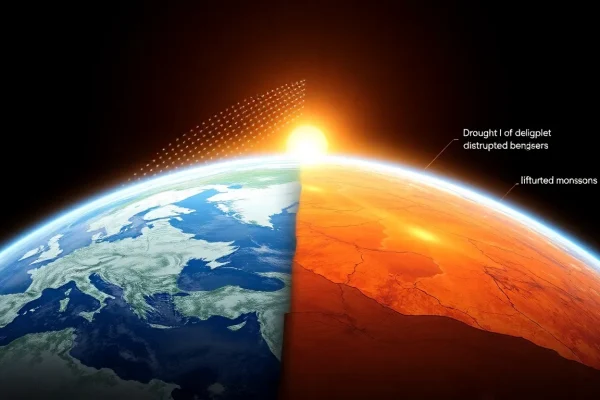
Solar radiation modification (SRM) encompasses a set of proposed techniques to reflect a small fraction of sunlight back into space to cool the Earth.…
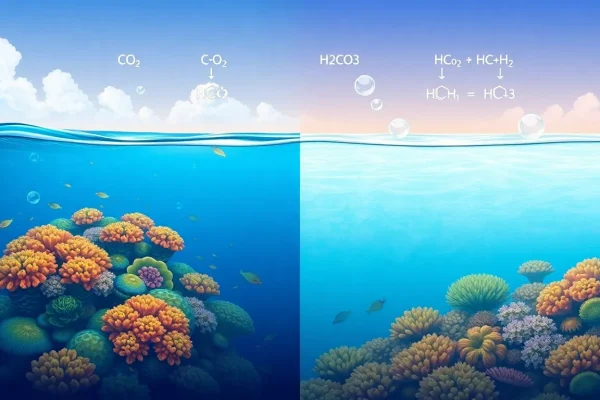
When carbon dioxide (CO₂) from the atmosphere dissolves in seawater, it triggers a series of chemical reactions that lower the ocean's pH, a process…
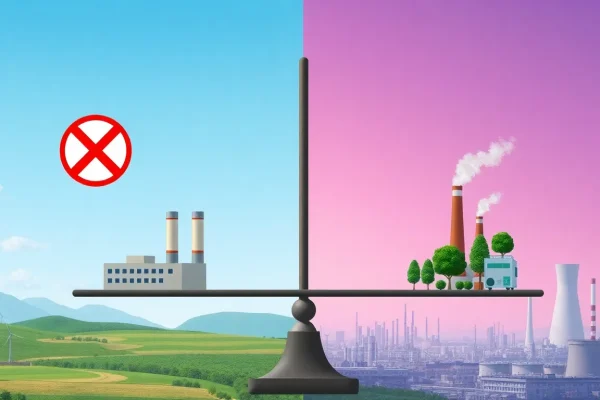
Gross zero emissions means eliminating all greenhouse gas emissions at their source, while net zero allows for some residual emissions to be balanced by…
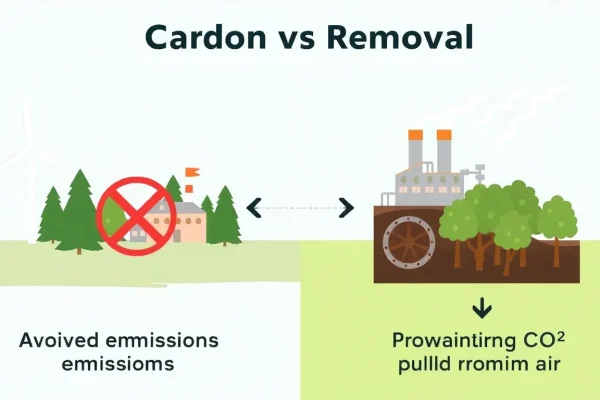
Avoidance credits finance projects that prevent emissions, while removal credits support projects that extract CO2 from the atmosphere. Both are used in carbon markets…