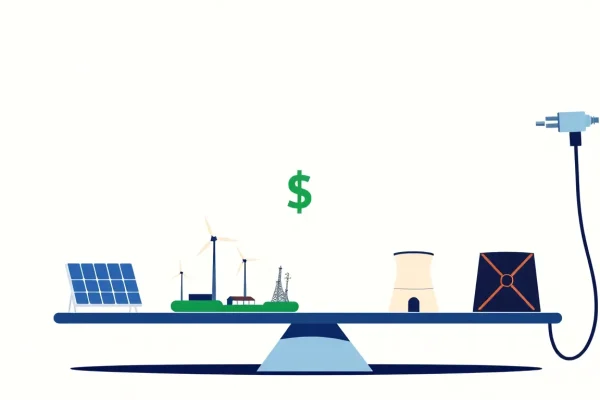
Levelized Cost of Energy Explained
Levelized Cost of Energy (LCOE) is a metric used to compare the lifetime costs of different electricity generation technologies on a consistent basis. It…
Evidence library
Research, explainers and solution analysis for understanding change across a living planet.
415 resourcesLevelized Cost of Energy (LCOE) is a metric used to compare the lifetime costs of different electricity generation technologies on a consistent basis. It…
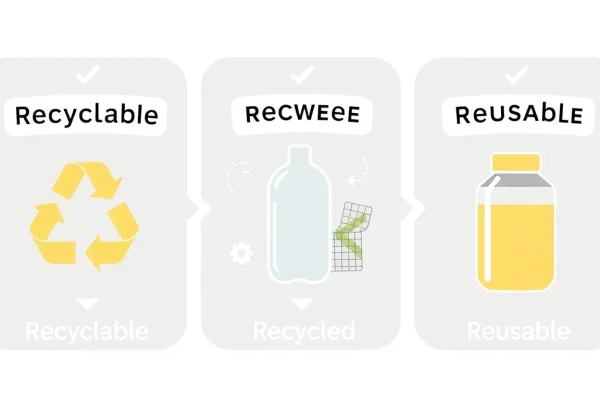
Recyclable, recycled, and reusable claims describe different environmental attributes of products and packaging. A recyclable item can be collected and reprocessed into new materials,…
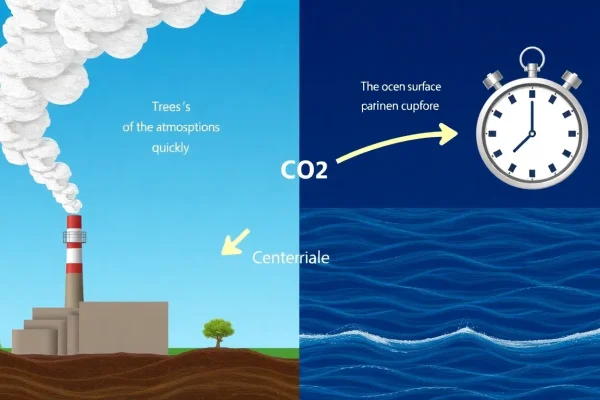
Carbon dioxide (CO₂) does not have a single atmospheric lifetime. About half of emitted CO₂ is removed within 30 years, but a substantial fraction…
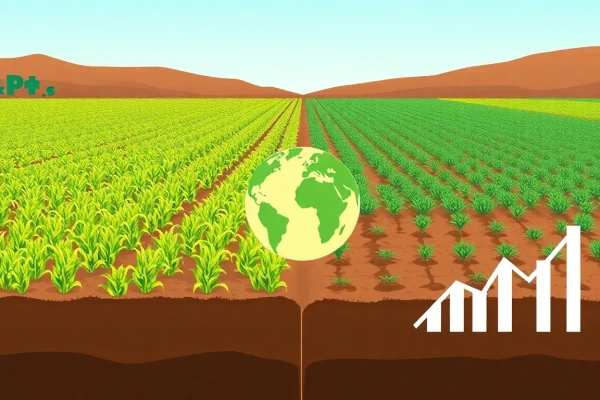
The agricultural yield gap is the difference between the potential yield of a crop under ideal conditions and the actual yield achieved by farmers.…
Tire-wear pollution is the release of tiny particles from vehicle tires as they abrade against road surfaces. These particles, composed of synthetic rubber and…
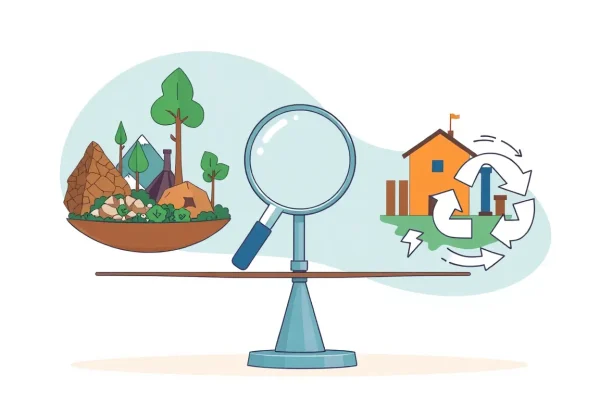
Resource productivity measures the efficiency with which an economy uses natural resources to generate economic output. It is typically expressed as the ratio of…
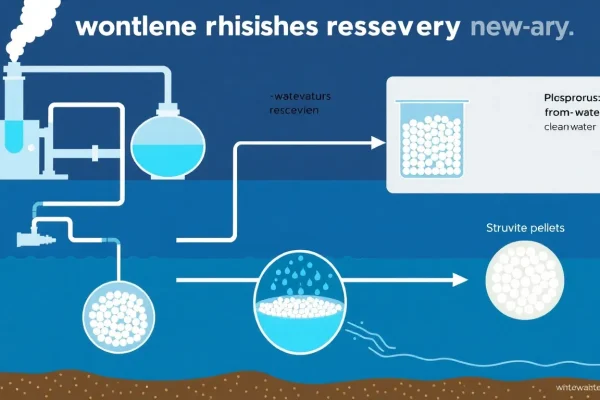
Phosphorus can be recovered from wastewater using technologies like chemical precipitation and biological uptake, turning a pollutant into a valuable fertilizer. This process helps…
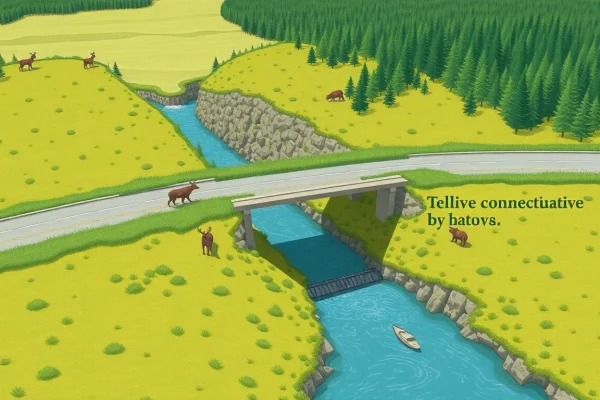
Ecosystem connectivity is the degree to which landscapes and seascapes allow organisms to move and ecological processes to flow freely. It is essential for…
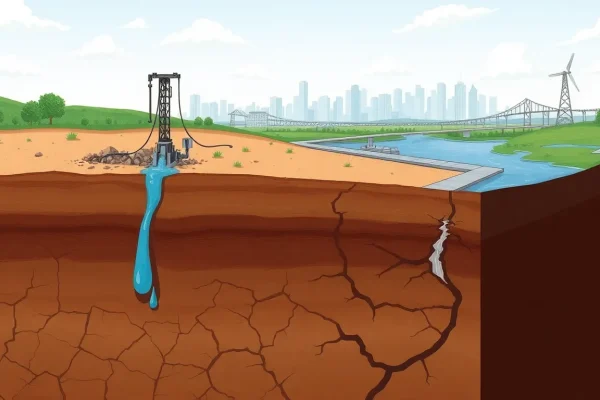
Land subsidence from groundwater extraction is the gradual sinking of the Earth's surface due to the compaction of aquifer systems when water is removed.…
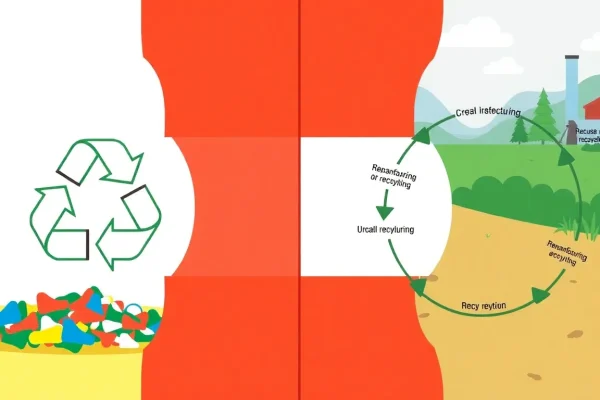
Recycling is a process of converting waste into new materials, while a circular economy is a systemic approach that aims to eliminate waste and…