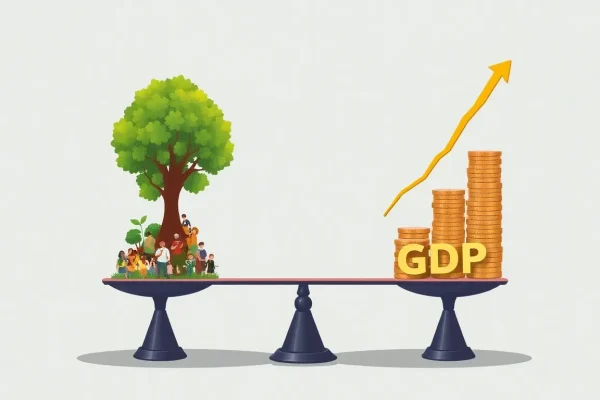
Post-Growth Economics Explained: Moving Beyond GDP
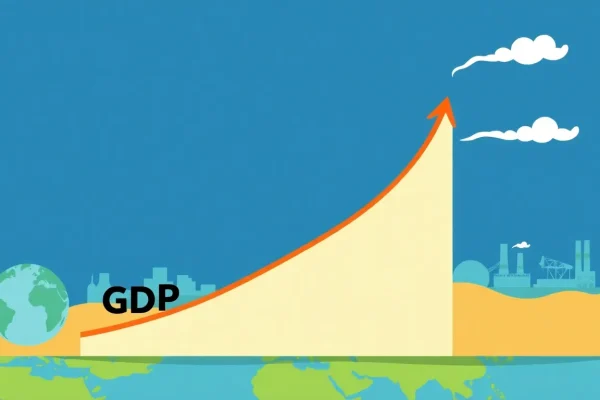
Post-growth economics is a school of thought that challenges the primacy of GDP growth as a policy goal, arguing that endless economic expansion is…
Topic archive
Explores how societies organize, interact, and shape the world around them
Post-growth economics is a school of thought that challenges the primacy of GDP growth as a policy goal, arguing that endless economic expansion is…
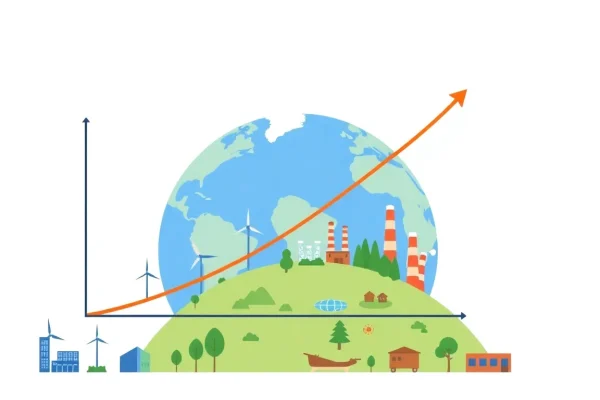
Absolute decoupling occurs when economic output (GDP) grows while total resource consumption or environmental impact declines in absolute terms. Evidence shows that while relative…
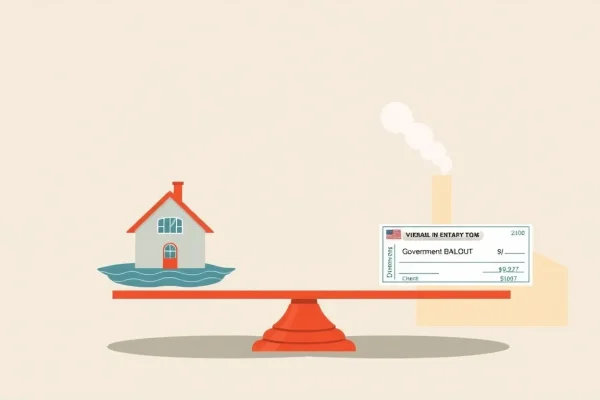
Moral hazard in climate policy arises when protections against climate risks inadvertently encourage riskier behavior, such as reduced mitigation efforts or overreliance on unproven…
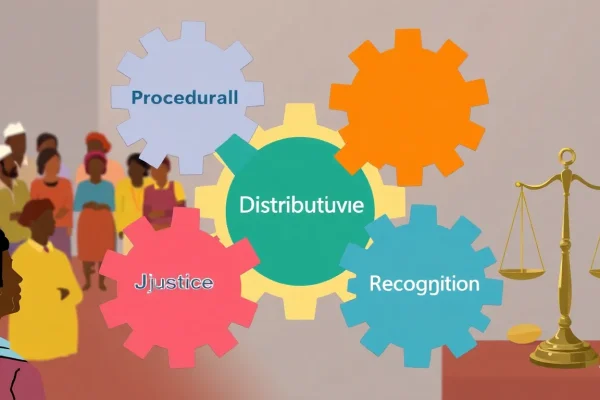
Procedural, distributive, and recognition justice are three interconnected dimensions of fairness that address how decisions are made, how resources are allocated, and how people's…
The margin of error for a typical national poll with 1,000 respondents is approximately ±3 percentage points at the 95% confidence level, as of…
Post-growth economics is a school of thought that challenges the necessity and desirability of endless GDP growth, advocating for an economic system that prioritizes…
Green growth is an economic paradigm that seeks to reconcile economic expansion with environmental sustainability by decoupling growth from resource use and environmental degradation.…
earn how climate change, biodiversity loss, pollution, and planetary boundaries affect human health, and explore solutions through planetary health and One Health approaches.
Explore environmental justice, climate justice, inequality, and why the impacts of planetary change are distributed unevenly across communities, generations, and nations.
Decoupling refers to breaking the link between economic growth and environmental degradation. While relative decoupling is common, absolute decoupling remains a challenge, especially on…