What Is a Just Transition?
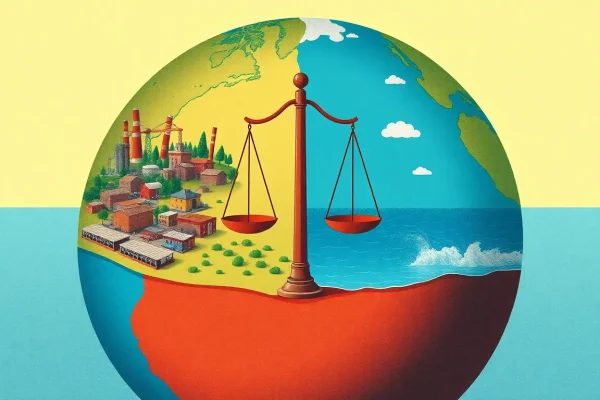
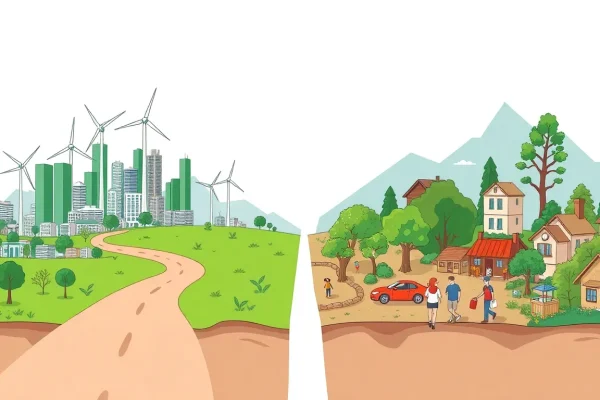
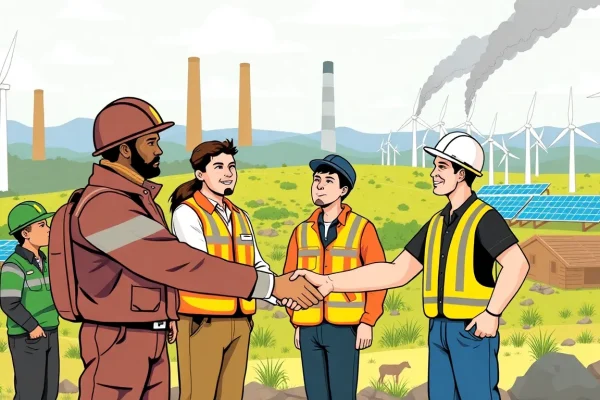
A just transition is a framework for shifting to a sustainable, low-carbon economy in a way that is fair and inclusive, protecting workers, communities,…
Topic archive
Explores how societies organize, interact, and shape the world around them
A just transition is a framework for shifting to a sustainable, low-carbon economy in a way that is fair and inclusive, protecting workers, communities,…
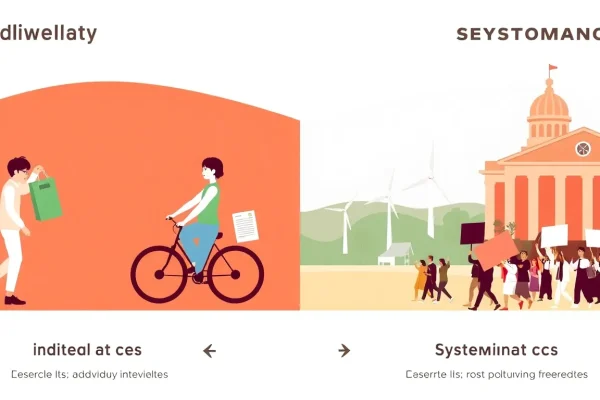
This analysis examines the debate over whether individual actions or systemic changes are more effective in solving large-scale societal problems. While individual actions are…
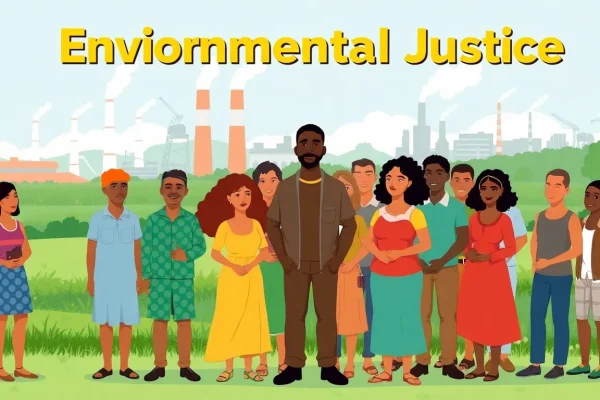
Environmental justice is the fair treatment and meaningful involvement of all people regardless of race, color, national origin, or income with respect to the…
Urbanization fundamentally alters energy and resource use by concentrating populations, changing consumption patterns, and reshaping infrastructure. While cities can drive efficiency through density and…
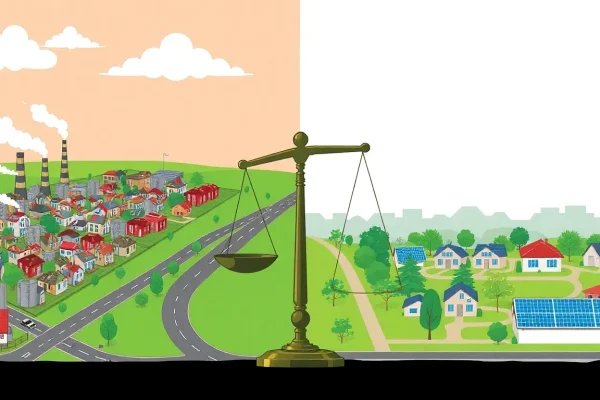
Inequality shapes environmental risk by concentrating hazards in disadvantaged communities while limiting their capacity to respond. Low-income and marginalized groups often face greater exposure…
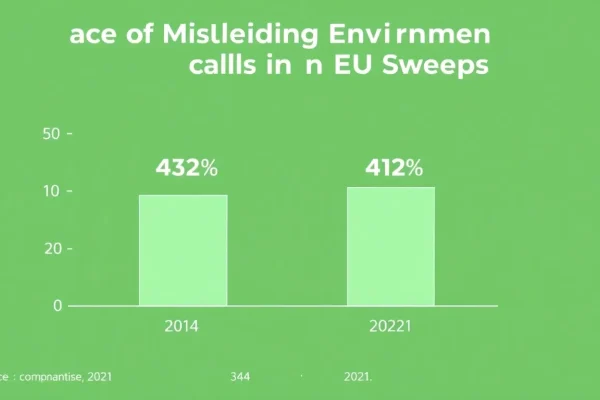
In 2021, a sweep by the European Commission and national consumer authorities found that 42% of green claims on websites were exaggerated, false, or…
Climate justice and environmental justice are related but distinct frameworks addressing the unequal distribution of environmental benefits and burdens. Environmental justice focuses on fair…
The rebound effect is the reduction in expected gains from a new technology that increases the efficiency of resource use, because of behavioral or…
Green growth is an economic paradigm that seeks to decouple economic growth from environmental degradation through technological innovation and efficiency improvements. Degrowth, in contrast,…