What Is a Carbon Tax?
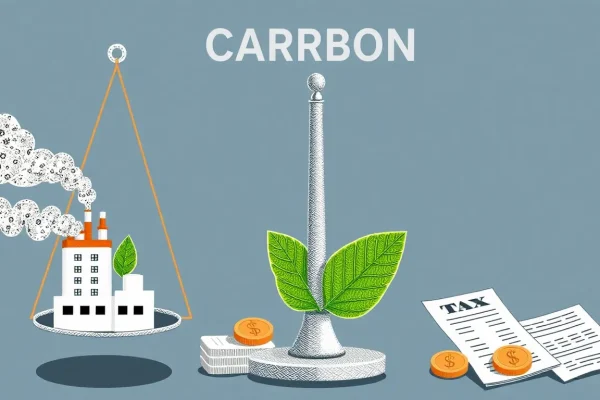
A carbon tax is a fee imposed on the carbon content of fossil fuels, designed to reduce greenhouse gas emissions by making polluting activities…
Topic archive
Core framework outlining safe operating limits for Earth’s systems.
A carbon tax is a fee imposed on the carbon content of fossil fuels, designed to reduce greenhouse gas emissions by making polluting activities…
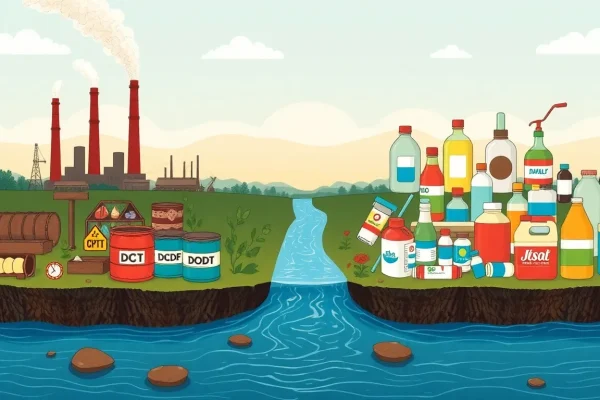
Legacy pollutants are well-known, persistent toxic substances like lead and DDT that have been regulated for decades but still linger in the environment. Emerging…
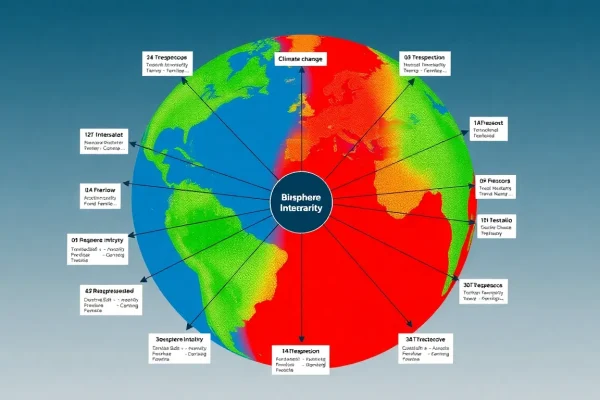
Planetary boundaries are not independent; they form a tightly coupled system. Climate change and biosphere integrity are the most central, mediating interactions among boundaries…
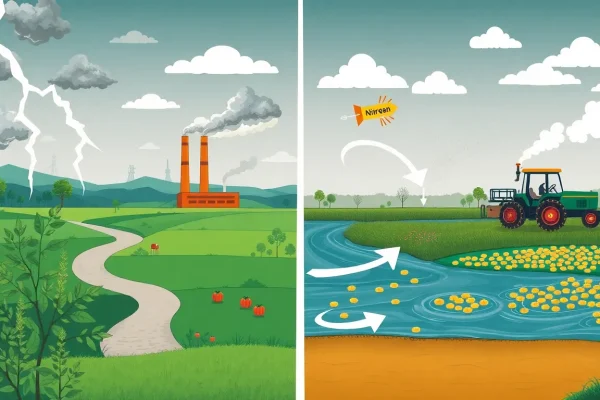
Human activities have dramatically altered the global nitrogen cycle, primarily through the industrial production of synthetic fertilizers, the combustion of fossil fuels, and the…
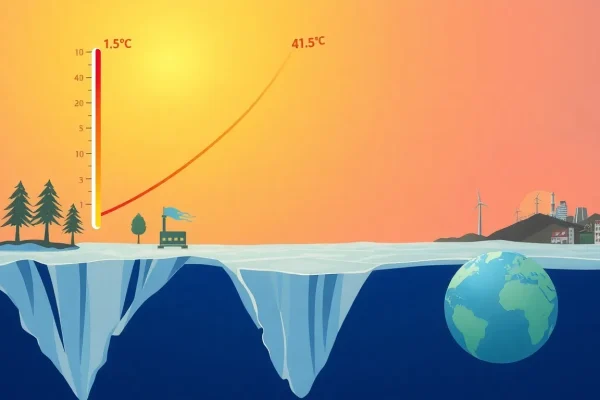
Global temperature can decline after overshooting 1.5°C if net-negative emissions are achieved, but this requires large-scale carbon dioxide removal and comes with irreversible impacts.…
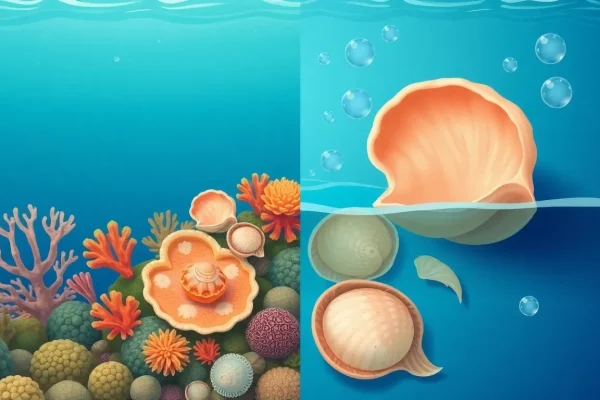
Ocean acidification, driven by increased atmospheric CO2, reduces carbonate ion availability, making it harder for shell-building organisms like corals and mollusks to form and…
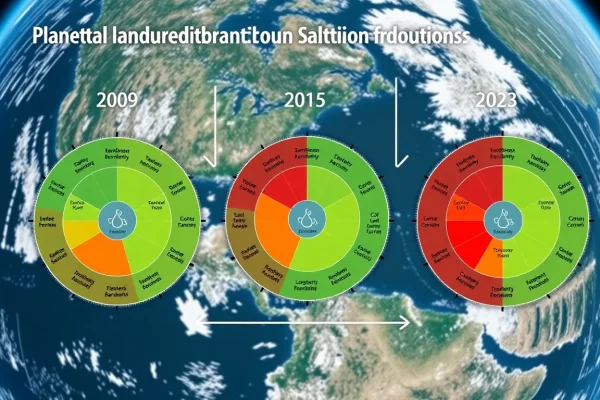
The planetary boundaries framework is periodically revised to incorporate new scientific data, improved models, and a deeper understanding of Earth-system processes. These updates refine…
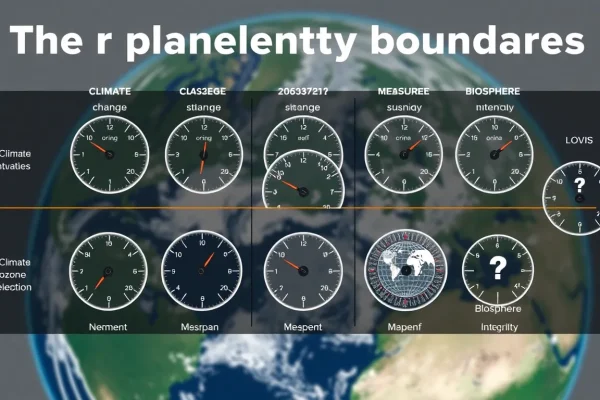
The planetary boundaries framework identifies nine Earth-system processes critical for maintaining a safe operating space for humanity. The ease of measuring these boundaries varies…
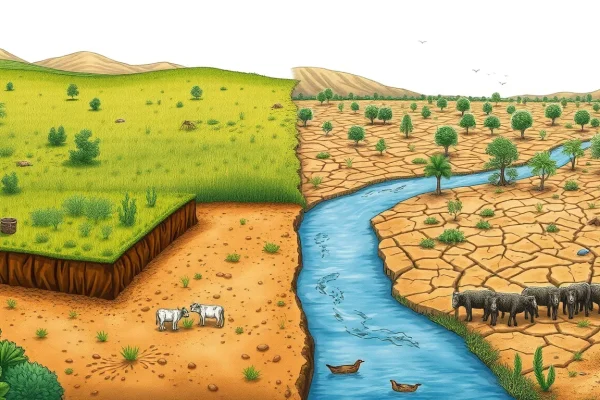
Land degradation is the decline in the quality and productivity of land, while desertification is a specific type of land degradation that occurs in…
The Shared Socioeconomic Pathways (SSPs) are a set of five global scenarios (SSP1–SSP5) used in climate research to describe alternative socioeconomic futures through 2100.…